Comprehensive Eye Care & Vision Correction in Incheon · Multilingual International Concierge
23+ Years Clinical Experience
en-US


Ophthalmology Guide
Lifestyle Changes That Help Manage Dry Eye Syndrome
Discover lifestyle changes to manage dry eye syndrome. Improve comfort with simple daily habits and relief tips. Learn more to protect your eye health!
Schedule a ConsultationIntroduction
Dry eye syndrome is a condition that many people underestimate until it begins interfering with their daily lives. Patients often describe it as a gritty, burning, or stinging sensation — like there’s sand caught beneath the eyelid. Others say it feels like their eyes are constantly tired, even after a good night’s sleep.
Understanding the Triggers of Dry Eye
Dry eye develops when the eyes don’t produce enough tears, or when the tears evaporate too quickly. Tears aren’t just “water”; they are a complex mixture of oil, water, and mucus that keep the cornea healthy and vision clear. When this delicate balance is disrupted, irritation sets in.
- Digital screens: Staring at computers or smartphones reduces blink rate by nearly half, leading to poor tear distribution.
- Environmental factors: Air conditioning, indoor heating, wind, and low humidity strip moisture from the eyes.
- Lifestyle factors: Smoking, dehydration, poor sleep, and nutrient deficiencies can all worsen symptoms.
Screen Habits: Blinking With Intention
One of the simplest yet most effective strategies is learning to blink fully and regularly. During periods of concentration, many people only perform partial blinks, leaving the cornea exposed and tears unevenly spread.
Nutrition and Hydration: Fuel for Healthy Tears

Tear health begins inside the body. A well-balanced diet supports each layer of the tear film:
- Omega-3 fatty acids: Found in salmon, mackerel, sardines, flaxseeds, and walnuts, these help improve the oily layer of tears, reducing evaporation.
- Vitamin A and antioxidants: Present in leafy greens, carrots, and brightly colored fruits, these nutrients support the mucous layer and ocular surface.
- Hydration: Even mild dehydration makes dry eye symptoms worse. Drinking enough water daily ensures adequate tear production.
Creating an Eye-Friendly Environment
Sometimes the biggest relief comes from adjusting your surroundings:
- Humidifiers: Essential in Korea’s dry winters when indoor heating removes moisture from the air.
- Workstation adjustments: Position screens slightly below eye level so eyelids naturally cover more of the ocular surface.
- Avoiding airflow: Sitting directly under air conditioners or in front of fans accelerates tear evaporation.
The Role of Sleep and Rest
Sleep is when the body repairs and restores itself, and the eyes are no exception. Poor sleep quality decreases tear stability, leaving the eyes more irritated during the day.
Contact Lenses: Use With Care
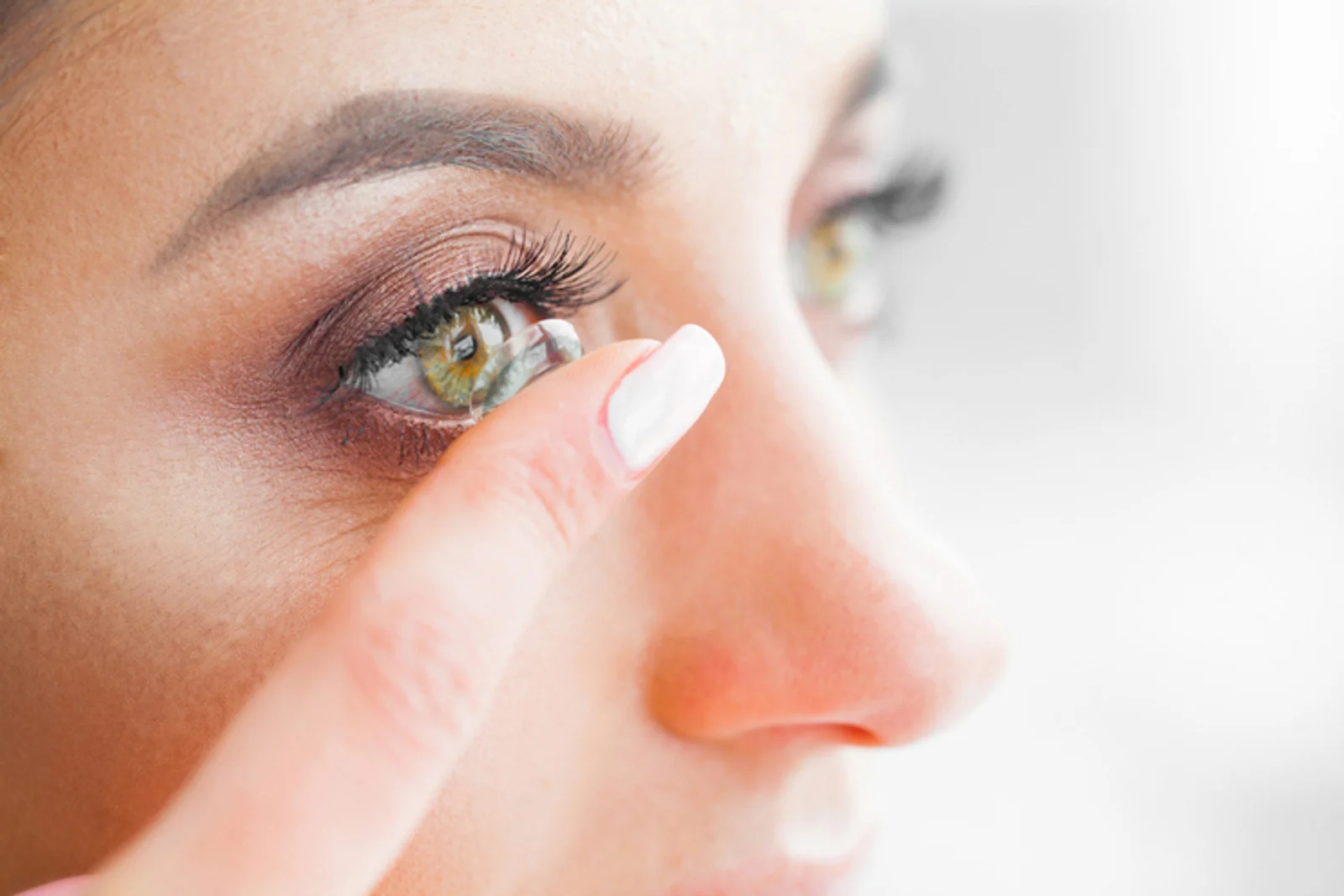
Contact lenses are convenient, but they can worsen dry eye if not managed properly. Extended wear lenses in particular reduce oxygen flow and destabilize the tear film.
- Switching to daily disposable lenses can reduce irritation.
- Exploring orthokeratology (Dream Lenses), which are worn overnight to reshape the cornea, allows patients to spend the day lens-free.
- Building in lens-free hours each day gives the eyes time to recover.
Stress, Systemic Health, and Dry Eye
It’s important to remember that dry eye does not exist in isolation. Systemic conditions such as thyroid disease, diabetes, and autoimmune disorders can worsen symptoms. Likewise, stress and fatigue often amplify discomfort.
When Lifestyle Changes Aren’t Enough?
While lifestyle adjustments are powerful, they are not always sufficient. Persistent or worsening symptoms may require medical treatment. At Global Ubal Eye Center, we use advanced diagnostic tools to measure tear production, tear film stability, and meibomian gland function. Based on these results, we create personalized treatment plans that may include:
- Prescription eye drops to reduce inflammation.
- Punctal plugs to conserve natural tears.
- Thermal therapies like LipiFlow to restore oil gland function.
Conclusion: Building a Sustainable Path to Comfort
Managing dry eye syndrome is less about searching for a single miracle cure and more about layering consistent, thoughtful habits into everyday life. Blinking with intention, eating nutrient-rich foods, staying hydrated, adjusting your environment, respecting sleep, and reducing stress — these small steps form the foundation of lasting comfort.
More Articles
Continue reading our ophthalmology guides and vision care insights.

SMILE vs LASIK: Recovery Benchmarks for Vision Correction Care
South Korea has solidified its position as a global epicenter for ophthalmology, with the domestic LASIK and refractive surgery market projected to reach **USD 167.37 million by 2035**, growing at a steady CAGR of 8.54%.
Learn More

Prevalence of Myopia in Korea: The Value of Dream Lens Therapy
The prevalence of myopia among young people in South Korea has reached critical levels, often described as a "myopia epidemic." According to recent data from the **Korean National Health and Nutrition Examination Survey (KNHANES)**, the prevalence of myopia...
Learn More

Multidisciplinary Care: The Future of Korean Pediatric Eye Clinics
The landscape of pediatric eye care in South Korea is shifting rapidly. With nearly **21.9% of Korean children** estimated to be affected by various visual disorders according to nationwide health screenings, the demand for specialized intervention has never...
Learn More