Comprehensive Eye Care & Vision Correction in Incheon · Multilingual International Concierge
23+ Years Clinical Experience
en-US


Ophthalmology Guide
Lens Implants: A Non-Invasive Option After Cataract Surgery
Discover the benefits of lens implants after cataract surgery. A non-invasive option to restore vision and improve quality of life. Learn more today!
Schedule a ConsultationIntroduction
For many, cataracts can feel like an inevitable part of aging, clouding the vision over time until everyday tasks become difficult to manage. You might notice blurry or dimmed vision, difficulty reading or driving, and the need for brighter light to see clearly. Cataracts can impact your quality of life, but the good news is that modern medicine has found a solution.
What Are Lens Implants and How Do They Work?
After cataract surgery, your natural lens is removed because it has become cloudy. The empty space left by the removal of the lens needs to be filled with a replacement lens, known as an intraocular lens (IOL). This implant is the key to restoring clear vision after the cataract is removed.
Why Opt for Lens Implants After Cataract Surgery?
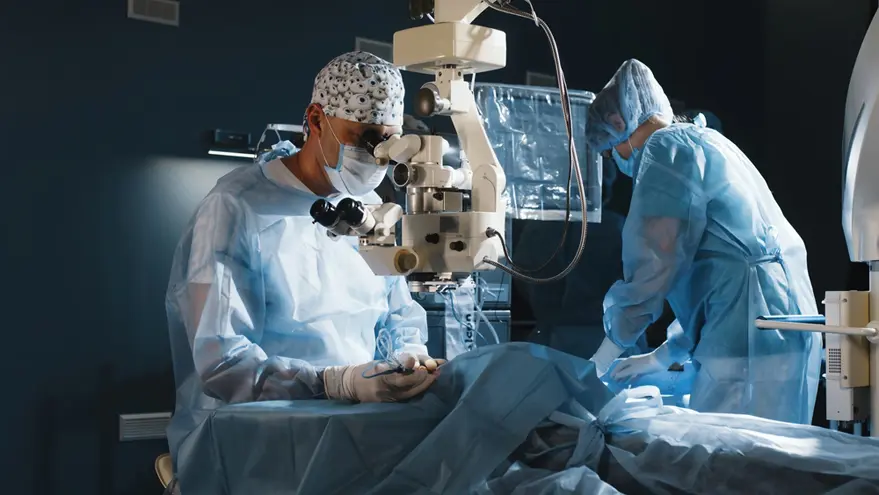
Lens implants serve as the foundation for good vision after cataract surgery. Without them, the removal of the cataract would leave the eye without any focusing power, leaving the patient with poor or no vision at all. While glasses or contact lenses can provide corrective vision, lens implants offer several distinct advantages:
1. Restoration of Clear Vision Across Distances
One of the most significant advantages of lens implants is that they can restore vision across various distances, depending on the type of lens you choose. Multifocal and accommodating lenses, in particular, allow you to enjoy clear vision at near, intermediate, and distant ranges without the need for glasses. For example, you can read a book, work on a computer, and drive — all with clearer, more comfortable vision.
2. Reduced Dependence on Glasses
For those who have grown weary of constantly adjusting glasses or putting on reading glasses, premium lens implants can be life-changing. Multifocal and accommodating lenses, especially, can help reduce or even eliminate the need for glasses. This is especially helpful for people who are active and want to engage in various activities without the hassle of switching between glasses for different tasks.
3. A Long-Term Solution
Once implanted, IOLs are meant to last a lifetime. Unlike contact lenses, which require frequent replacement, or glasses, which can be easily lost or damaged, lens implants are a permanent solution. This makes them a low-maintenance option, offering reliable vision without the constant need for check-ups and adjustments.
4. Customized to Your Needs
Lens implants aren’t a one-size-fits-all solution. With advances in technology, today’s IOLs can be customized to your personal visual requirements. Whether you need to correct astigmatism, restore clear near and distance vision, or reduce dependence on glasses, your ophthalmologist can recommend the best lens option based on your lifestyle, eye health, and visual goals.
5. Minimal Risk and Quick Recovery
Lens implantation is a minimally invasive procedure performed during cataract surgery. It typically takes only a few minutes to insert the lens, and the incision required for the procedure is so small that it often doesn’t even require stitches. The recovery time is typically fast, with most patients experiencing noticeable improvements in vision within a day or two.
The Procedure: What to Expect

If you're considering lens implants as part of your cataract surgery, it’s essential to understand the steps involved. The entire process is designed to be efficient, safe, and effective.
Choosing the Right Lens Implant
The type of lens implant you opt for will depend on several factors, including your overall eye health, any pre-existing conditions (like astigmatism), and your personal preferences regarding lifestyle and vision needs.
Considerations and Limitations of Lens Implants
While lens implants offer incredible benefits, there are some important considerations to keep in mind before moving forward:
- Costs: While basic monofocal IOLs are generally covered by insurance, premium lenses, such as multifocal or toric implants, may involve additional costs. It’s essential to understand the pricing structure and discuss your options with your healthcare provider.
- Realistic Expectations: Although lens implants can drastically improve vision, it’s important to note that they may not eliminate the need for glasses entirely, particularly for specific tasks like reading very small text. Your doctor will discuss your expectations and help you understand the realistic outcomes based on the type of lens you select.
- Eye Health: Some patients may have additional eye conditions, such as macular degeneration or diabetic retinopathy, that could impact the results of lens implants. A detailed pre-surgical evaluation is crucial for ensuring that lens implants are the right choice for you.
Conclusion: A Clear Path to Better Vision
More Articles
Continue reading our ophthalmology guides and vision care insights.

SMILE vs LASIK: Recovery Benchmarks for Vision Correction Care
South Korea has solidified its position as a global epicenter for ophthalmology, with the domestic LASIK and refractive surgery market projected to reach **USD 167.37 million by 2035**, growing at a steady CAGR of 8.54%.
Learn More

Prevalence of Myopia in Korea: The Value of Dream Lens Therapy
The prevalence of myopia among young people in South Korea has reached critical levels, often described as a "myopia epidemic." According to recent data from the **Korean National Health and Nutrition Examination Survey (KNHANES)**, the prevalence of myopia...
Learn More

Multidisciplinary Care: The Future of Korean Pediatric Eye Clinics
The landscape of pediatric eye care in South Korea is shifting rapidly. With nearly **21.9% of Korean children** estimated to be affected by various visual disorders according to nationwide health screenings, the demand for specialized intervention has never...
Learn More