Comprehensive Eye Care & Vision Correction in Incheon · Multilingual International Concierge
23+ Years Clinical Experience
en-US

Ophthalmology Guide
Lens Implant Surgery vs. Traditional Cataract Surgery
Discover the differences between lens implant surgery and traditional cataract surgery. Learn which option offers faster recovery and better vision. Book a consultation today!
Schedule a ConsultationIntroduction
Cataract surgery has long been a reliable solution for those experiencing vision loss due to clouding of the natural lens in the eye. While traditional cataract surgery has helped millions regain their sight, recent advancements have led to more customized treatment options. Lens implant surgery is one such innovation that offers a broader range of benefits compared to the standard procedure.
What is Cataract Surgery?
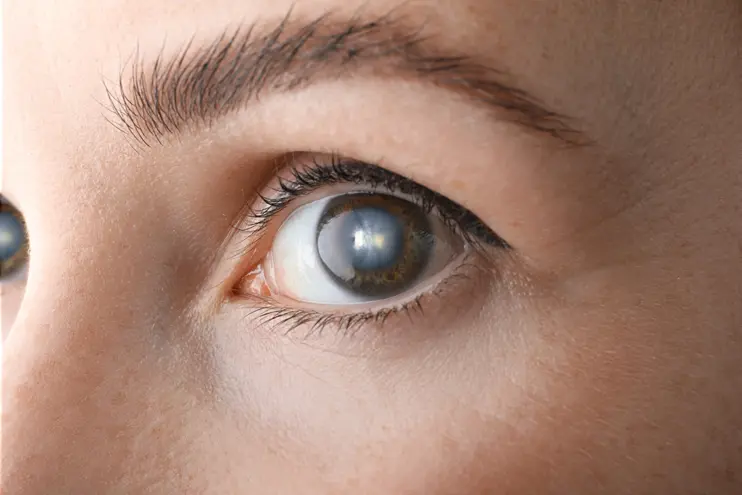
Before we dive into the differences between lens implant surgery and traditional cataract surgery, let's first understand what cataracts are and why surgery is necessary. Cataracts occur when the natural lens in your eye becomes cloudy, leading to blurry vision, glare, and difficulty seeing at night.
What is Lens Implant Surgery?
Lens implant surgery, often called premium cataract surgery, takes the principles of traditional cataract surgery and enhances them with more advanced lens technology. After removing the cloudy natural lens, a premium intraocular lens (IOL) is implanted to restore vision. The key difference lies in the types of lenses available for implantation.
Traditional Cataract Surgery: How It Works

Traditional cataract surgery has been refined over the years and involves a few straightforward steps:
Lens Implant Surgery: The Next Step in Cataract Treatment
Lens implant surgery builds on the foundations of traditional cataract surgery by providing customized solutions for a variety of vision needs. Here's a deeper look at the types of advanced lenses used in this procedure:
Key Differences Between Lens Implant Surgery and Traditional Cataract Surgery
1. Personalized Vision Correction
- Traditional Cataract Surgery: Typically uses a monofocal IOL, which only corrects one distance (near or far). For many people, this means they still need reading glasses or glasses for other activities.
- Lens Implant Surgery: Offers a customized vision solution based on the patient’s lifestyle and preferences. Options like multifocal and toric IOLs can help eliminate or reduce dependence on glasses, offering clear vision at a variety of distances.
2. Technology
- Traditional Cataract Surgery: While modern phacoemulsification techniques have made traditional cataract surgery very efficient and effective, the technology primarily focuses on removing the cloudy lens and replacing it with a standard IOL.
- Lens Implant Surgery: In addition to standard cataract removal, lens implant surgery uses advanced IOLs that offer better depth of focus, astigmatism correction, and more dynamic vision correction.
3. Glasses Dependence Post-Surgery
- Traditional Cataract Surgery: Most patients will still require glasses for reading or close-up tasks.
- Lens Implant Surgery: Many patients experience a reduced need for glasses, thanks to the advanced IOL options available, though individual results vary.
4. Cost
- Traditional Cataract Surgery: Typically covered by insurance or government health plans, as it’s considered the standard approach for cataract removal.
- Lens Implant Surgery: Premium IOLs (such as multifocal or toric lenses) can be more expensive, and in many cases, they are not covered by insurance. However, for many patients, the added benefits are well worth the investment.
5. Long-Term Results
- Traditional Cataract Surgery: Results are generally good, with most patients experiencing improved vision. However, the benefits are limited to distance vision, and additional procedures (such as laser vision correction) may be required later on.
- Lens Implant Surgery: Provides more comprehensive long-term results by addressing both distance and near vision. Many patients find they need fewer follow-up procedures as a result of the advanced IOL technology.
Which Procedure is Right for You?

Choosing between lens implant surgery and traditional cataract surgery depends on several factors, including:
- Your visual needs: If you're someone who struggles with both near and far vision, lens implant surgery may be a better option, as multifocal lenses can help you see clearly at all distances.
- Astigmatism: If you have astigmatism, toric IOLs can help improve your vision more effectively than standard IOLs.
- Cost considerations: If cost is a factor and you are primarily concerned with correcting cataracts without additional vision needs, traditional cataract surgery with a standard IOL may be the more budget-friendly choice.
- Your overall health: The best option for you will depend on factors like the health of your eye, your age, and your expectations for post-surgery vision.
The Global Ubal Eye Center Advantage
Conclusion
More Articles
Continue reading our ophthalmology guides and vision care insights.

SMILE vs LASIK: Recovery Benchmarks for Vision Correction Care
South Korea has solidified its position as a global epicenter for ophthalmology, with the domestic LASIK and refractive surgery market projected to reach **USD 167.37 million by 2035**, growing at a steady CAGR of 8.54%.
Learn More

Prevalence of Myopia in Korea: The Value of Dream Lens Therapy
The prevalence of myopia among young people in South Korea has reached critical levels, often described as a "myopia epidemic." According to recent data from the **Korean National Health and Nutrition Examination Survey (KNHANES)**, the prevalence of myopia...
Learn More

Multidisciplinary Care: The Future of Korean Pediatric Eye Clinics
The landscape of pediatric eye care in South Korea is shifting rapidly. With nearly **21.9% of Korean children** estimated to be affected by various visual disorders according to nationwide health screenings, the demand for specialized intervention has never...
Learn More