Comprehensive Eye Care & Vision Correction in Incheon · Multilingual International Concierge
23+ Years Clinical Experience
en-US


Ophthalmology Guide
Latest Advances in Macular Degeneration Treatment: What You Need to Know
Discover the latest advances in macular degeneration treatment. Learn about cutting-edge therapies, breakthroughs, and how they can help preserve your vision.
Schedule a ConsultationIntroduction
Age-related macular degeneration (AMD) is a leading cause of vision loss in individuals over the age of 60. As our population ages, the number of people diagnosed with macular degeneration continues to rise, making it an increasingly significant concern for eye health.
What Is Macular Degeneration?
Before we delve into the cutting-edge treatments for macular degeneration, it’s helpful to understand what the disease is and how it affects the eye. Macular degeneration is classified into two primary types: dry AMD and wet AMD. Both forms affect the central vision, but their causes and progression differ.
1. Dry AMD (Non-Neovascular AMD)
Dry AMD is the most common form, accounting for approximately 80-90% of all AMD cases. It occurs when the macula gradually deteriorates, typically due to the thinning of retinal cells and the accumulation of drusen—small yellow deposits under the retina. The condition usually progresses slowly over several years, with vision loss being gradual.
2. Wet AMD (Neovascular AMD)
Wet AMD is less common but more severe and aggressive. It occurs when abnormal blood vessels grow beneath the retina and leak fluid or blood into the macula. These vessels cause rapid damage to the macula, leading to sudden and severe vision loss. Wet AMD is often preceded by dry AMD, although it can also develop without prior signs of dry AMD.
Major Advances in Wet AMD Treatment
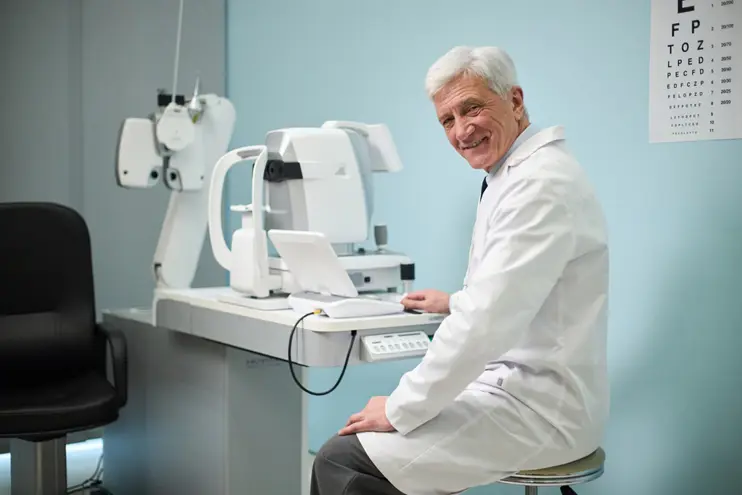
Wet AMD is a more aggressive form of the disease that can cause rapid and severe vision loss. Fortunately, the treatment landscape for wet AMD has dramatically improved over the past decade. Several new therapies have emerged that can help prevent further damage, and in some cases, restore lost vision.
1. Anti-VEGF Injections
One of the most transformative treatments for wet AMD is the use of anti-VEGF (vascular endothelial growth factor) therapy. VEGF is a protein that promotes the growth of abnormal blood vessels in the retina, which is the underlying cause of wet AMD. Anti-VEGF medications block the action of VEGF, preventing these abnormal blood vessels from forming and leaking fluid into the macula.
2. Port Delivery Systems (PDS)
Recent advancements in drug delivery systems have led to the development of port delivery systems (PDS), which provide a more convenient and long-lasting alternative to frequent eye injections. The Susvimo PDS, for example, is an implantable device that delivers the anti-VEGF medication Eylea directly into the eye.
3. Gene Therapy for Wet AMD
Just as gene therapy is showing promise for dry AMD, it is also being explored as a treatment option for wet AMD. RGX-314, an experimental gene therapy, is one of the most exciting developments in this area. RGX-314 aims to provide long-term delivery of anti-VEGF medication by introducing a gene into the retina that allows the eye to produce its own anti-VEGF proteins.
4. Stem Cell Therapy
Another cutting-edge approach for treating wet AMD involves stem cell therapy. Stem cells have the ability to regenerate damaged tissues, and scientists are exploring their potential to repair the damaged retinal cells caused by abnormal blood vessel growth. By transplanting stem cells into the retina, researchers hope to stimulate the regeneration of healthy retinal tissue and restore lost vision.
Advancements in Early Diagnosis and Personalized Treatment
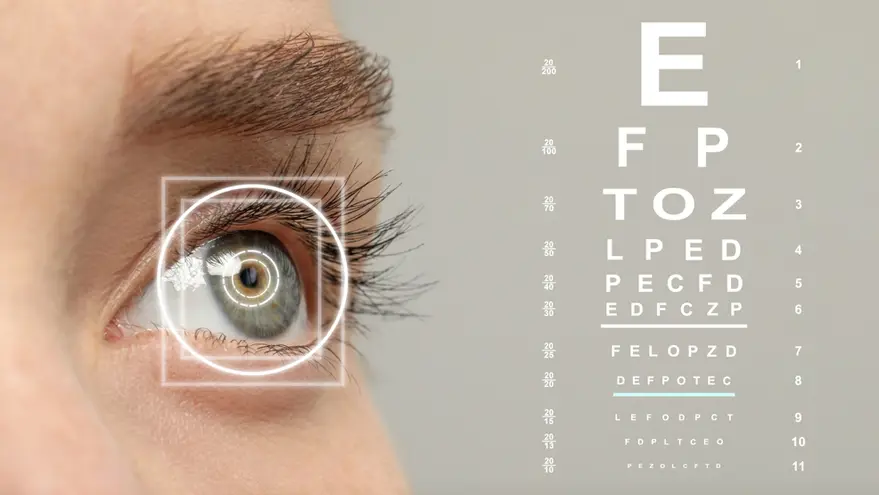
Early detection is critical for effectively managing both dry and wet AMD. The sooner the disease is detected, the more options patients have for preserving their vision. Advances in diagnostic technology have made it possible to detect AMD at earlier stages, even before symptoms become noticeable.
The Future of Macular Degeneration Treatment
The future of macular degeneration treatment looks incredibly promising, with ongoing research continuing to uncover new ways to slow, stop, or even reverse the effects of AMD. As gene therapy, stem cell treatments, and advanced drug delivery systems become more refined, patients can expect better options for managing their condition with fewer side effects and less frequent treatments.
Conclusion
Macular degeneration may be a daunting diagnosis, but thanks to recent breakthroughs in medical research and technology, there is hope for preserving vision and maintaining quality of life. With treatments like anti-VEGF therapy, port delivery systems, gene therapy, and stem cell research, patients with both dry and wet AMD now have more options than ever before.
More Articles
Continue reading our ophthalmology guides and vision care insights.

SMILE vs LASIK: Recovery Benchmarks for Vision Correction Care
South Korea has solidified its position as a global epicenter for ophthalmology, with the domestic LASIK and refractive surgery market projected to reach **USD 167.37 million by 2035**, growing at a steady CAGR of 8.54%.
Learn More

Prevalence of Myopia in Korea: The Value of Dream Lens Therapy
The prevalence of myopia among young people in South Korea has reached critical levels, often described as a "myopia epidemic." According to recent data from the **Korean National Health and Nutrition Examination Survey (KNHANES)**, the prevalence of myopia...
Learn More

Multidisciplinary Care: The Future of Korean Pediatric Eye Clinics
The landscape of pediatric eye care in South Korea is shifting rapidly. With nearly **21.9% of Korean children** estimated to be affected by various visual disorders according to nationwide health screenings, the demand for specialized intervention has never...
Learn More