Comprehensive Eye Care & Vision Correction in Incheon · Multilingual International Concierge
23+ Years Clinical Experience
en-US


Ophthalmology Guide
LASEK vs LASIK Korea Expert Guide to Laser Eye Surgery
Choosing between LASEK vs LASIK Korea? Compare safety recovery and costs at Global Ubal Eye Center with our board certified specialists.
Schedule a ConsultationIntroduction
Navigating the choice of LASEK vs LASIK Korea is easier with expert help. For many residents in major American cities like New York City Los Angeles Chicago Houston and Phoenix the quest for perfect vision often leads to the high tech medical hubs of South Korea. South Korea has established itself as a global leader in ophthalmology offering advanced procedures that surpass many international standards.

Understanding LASEK vs LASIK Korea Key Differences
To truly understand the choice of lasek vs lasik korea one must first understand the anatomy of the eye. The cornea is the clear front part of the eye that helps focus light. Refractive surgery works by reshaping this cornea so that light lands perfectly on the retina. While both surgeries use lasers the way they access the inner layers of the cornea is fundamentally different.
The Mechanics Of LASIK Laser Assisted In Situ Keratomileusis
LASIK remains one of the most recognized names in vision correction globally. During a LASIK procedure a surgeon creates a thin flap on the surface of the cornea. This flap can be created using a mechanical tool called a microkeratome or more commonly today a highly precise femtosecond laser.
The Mechanics Of LASEK Laser Assisted Sub Epithelial Keratectomy
LASEK is often described as a surface ablation technique. Unlike LASIK no deep flap is created. Instead the surgeon gently loosens the very top layer of the cornea known as the epithelium. This is typically done using a diluted alcohol solution or a specialized surgical brush. The epithelial layer is pushed aside and the same excimer laser used in LASIK is applied directly to the surface of the cornea.
| Feature | LASIK | LASEK |
|---|---|---|
| Flap Creation | Yes, uses a femtosecond laser | No, removes or moves epithelium only |
| Layer Treated | Deep corneal stroma | Superficial corneal stroma |
| Primary Technology | Femtosecond and Excimer lasers | Excimer laser and bandage lens |
| Typical Candidate | Normal cornea thickness, low to mid prescriptions | Thin cornea, high prescriptions, active lifestyles |
| Immediate Discomfort | Minimal, lasting three to four hours | Moderate, lasting two to three days |
| Structural Risk | Potential flap displacement from trauma | No risk of flap complications |
Why The Korean Medical Market Leads In Vision Correction
The Korean medical market is uniquely positioned as a leader in refractive surgery due to several factors including high surgical volumes and rapid technological adoption. In cities like Incheon and Seoul clinics like Global Ubal Eye Center utilize the latest diagnostic and surgical lasers often before they are widely available in other parts of the world.
Prioritizing LASEK Safety In Korea
Safety is the paramount concern for any patient undergoing elective surgery. When discussing lasek vs lasik korea the conversation often shifts toward the inherent safety profile of surface ablation. LASEK is frequently lauded for its conservative approach to corneal tissue preservation.
Eliminating Flap Complications
One of the most significant advantages of choosing LASEK is the total elimination of flap related issues. In LASIK while rare complications can include flap wrinkles epithelial ingrowth under the flap or flap dislocation due to physical trauma. For a patient like Ryan who might be involved in martial arts or intense fitness regimes in Chicago the risk of a flap injury years after surgery is a valid concern.
Managing Post Operative Risks
Every surgery carries some level of risk and managing these risks is where the expertise of Global Ubal Eye Center shines. Post operative care is vital for ensuring the success of lasek vs lasik korea. Common side effects like dry eye syndrome are carefully monitored. Because LASEK does not cut the deep corneal nerves as LASIK does many studies suggest a lower incidence of chronic dry eye in the long term.
Advanced Surface Ablation Korea The Evolution Of Vision Care
Surface ablation has come a long way since its inception. Today advanced surface ablation korea represents the cutting edge of what is possible in laser eye surgery. This evolution has been driven by a desire to provide the safest most accurate results for a wide variety of patients.
The Science Of Surface Ablation
Head To Head Comparison Recovery And Results
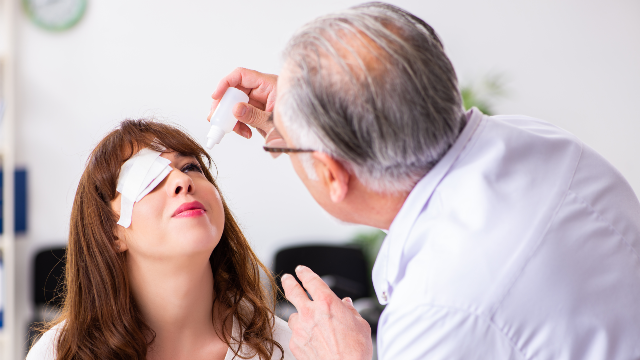
| Timeline | LASIK Expectations | LASEK Expectations |
|---|---|---|
| Hours 1 to 4 | Mild grittiness, slight tearing, rapid clearing of vision | Watery eyes, light sensitivity, moderate burning sensation |
| Day 1 Post Op | Vision is clear, minimal discomfort, normal indoor activity | Vision is blurry or hazy, light sensitivity remains high |
| Day 3 to 5 | Stabilization of vision, minor dry eye symptoms manage with tears | Epithelial layer closes completely, bandage contact lens is removed |
| Week 2 | Vision is highly stable, minimal fluctuate, comfortable | Visual acuity improves rapidly, minor fluctuations during screen work |
| Month 1 | Full recovery, excellent night vision, minor dryness drops | Clear and stable vision, corneal surface is smooth and fully restored |
| Month 6 | Permanent stable vision correction achieved | Permanent stable vision correction achieved |
Is LASEK vs LASIK Korea Right For You The Candidate Guide
The International Patient Journey From NYC To Incheon
Why Choose Global Ubal Eye Center
How To Book Your Consultation
Conclusion
About the Author
Frequently Asked Questions
More Articles
Continue reading our ophthalmology guides and vision care insights.

SMILE vs LASIK: Recovery Benchmarks for Vision Correction Care
South Korea has solidified its position as a global epicenter for ophthalmology, with the domestic LASIK and refractive surgery market projected to reach **USD 167.37 million by 2035**, growing at a steady CAGR of 8.54%.
Learn More

Prevalence of Myopia in Korea: The Value of Dream Lens Therapy
The prevalence of myopia among young people in South Korea has reached critical levels, often described as a "myopia epidemic." According to recent data from the **Korean National Health and Nutrition Examination Survey (KNHANES)**, the prevalence of myopia...
Learn More

Multidisciplinary Care: The Future of Korean Pediatric Eye Clinics
The landscape of pediatric eye care in South Korea is shifting rapidly. With nearly **21.9% of Korean children** estimated to be affected by various visual disorders according to nationwide health screenings, the demand for specialized intervention has never...
Learn More