Comprehensive Eye Care & Vision Correction in Incheon · Multilingual International Concierge
23+ Years Clinical Experience
en-US


Ophthalmology Guide
Korean Eye Health: Rising Demand for Eye Diseases Care
Ocular health concerns are rising sharply across South Korea. According to recent Korean nationwide health screens and healthcare review data, the prevalence of chronic ocular conditions—ranging from severe Dry Eye Syndrome to age-related macular changes and...
Schedule a ConsultationOcular health concerns are rising sharply across South Korea. According to recent Korean nationwide health screens and healthcare review data, the prevalence of chronic ocular conditions—ranging from severe Dry Eye Syndrome to age-related macular changes and cataracts—has grown steadily.
Why Is the Demand for Comprehensive Eye Diseases Care Rising in Korea?
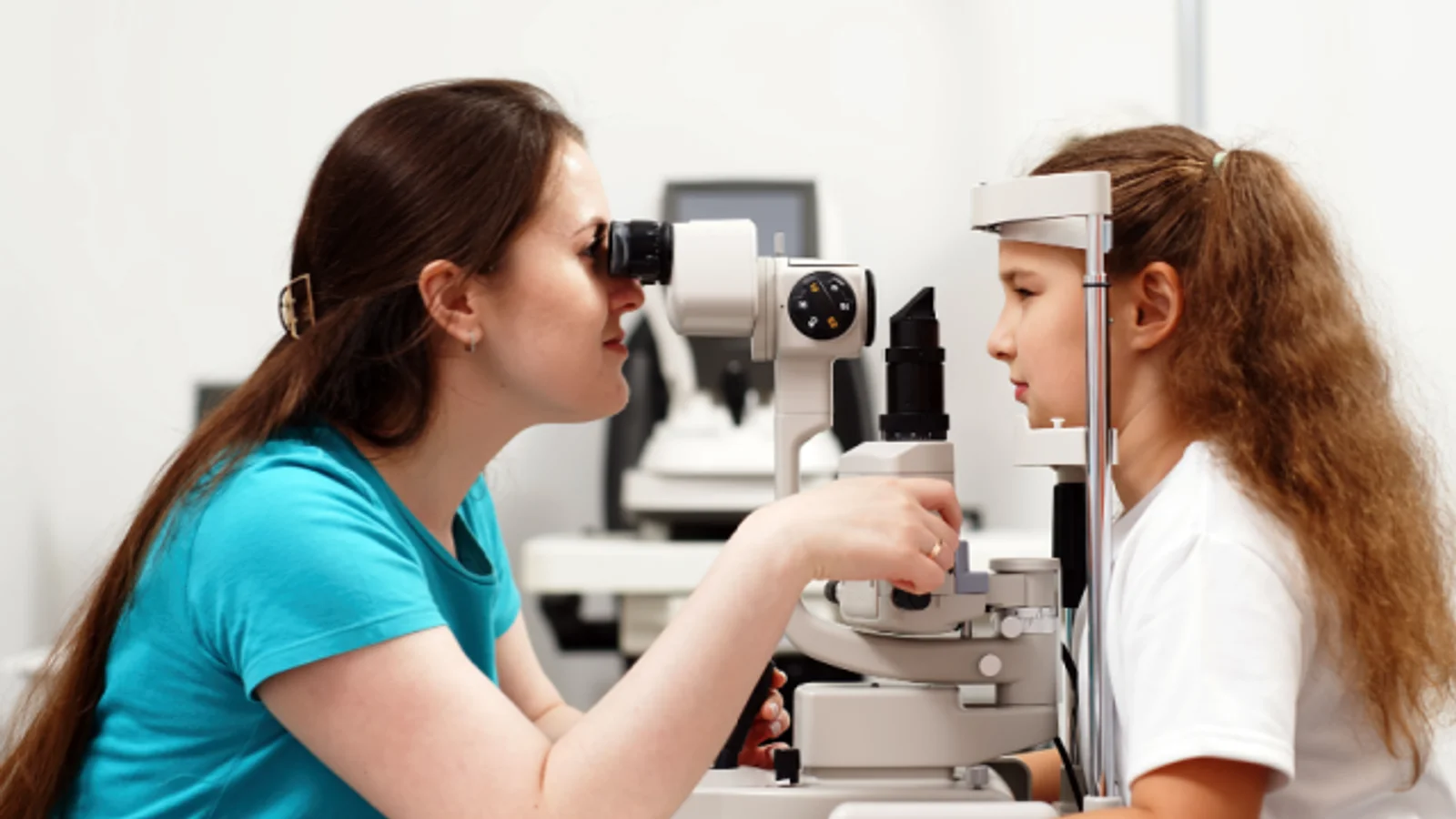
Ocular disorders no longer strictly affect the elderly. Market reports on South Korean ophthalmic trends highlight a dual trajectory: a younger demographic requiring high-precision vision correction like SMILE or LASEK, and an aging demographic (ages 50 to 70+) experiencing a steep rise in presbyopia, cataracts, and degenerative retinal diseases.
Standard Ophthalmic Approaches and Their Limitations
The conventional treatment landscape in South Korea often divides care into siloed pathways: basic optical prescriptions, high-volume refractive surgical centers, or late-stage invasive surgeries. While effective for standard cases, these traditional models present distinct limitations.
Common Eye Treatment Options in Korea
- High-Volume Refractive Centers ("LASIK Factories"): Optimized for speed and lower initial costs, but often lack long-term, comprehensive monitoring for chronic underlying eye diseases.
- Standard Cataract Surgeries: Frequently utilize monofocal intraocular lenses, which resolve the immediate clouding but leave the patient dependent on glasses for near or intermediate vision.
- Symptomatic Dry Eye Management: Relies primarily on temporary over-the-counter lubricant drops rather than addressing root-cause meibomian gland dysfunction or corneal nerve inflammation.
Key Pros and Cons of Standard Care
| Care Type | Key Advantages (Pros) | Common Limitations & Pain Points (Cons) |
|---|---|---|
| High-Volume Vision Correction | Affordable; rapid procedure times. | Higher risk of post-op dry eye; minimal screening for borderline corneal thickness or early glaucoma. |
| Standard Monofocal Cataract Surgery | Widely covered by National Health Insurance (NHIS); clear distance vision. | Permanent loss of accommodation; requires reading glasses; does not address presbyopia. |
| Conventional Chronic Care | Easily accessible at neighborhood clinics. | Treats symptoms rather than structural causes; requires lifetime compliance with minimal structural healing. |
Advanced Approach: Multi-Specialist Diagnostics and Premium Lens Customization
To overcome the boundaries of conventional assembly-line eye care, modern protocols favor a multi-specialist collaborative model combined with advanced precision diagnostics.
How Precision Diagnostics Work
Before any surgical intervention is planned, patients undergo an extensive screening regimen comprising over 50 advanced diagnostic tests. Utilizing high-resolution Optical Coherence Tomography (OCT) imaging, non-mydriatic retinal mapping, and specialized corneal topography, clinicians can isolate hidden corneal weaknesses or early-stage glaucoma.
Is Premium Cataract Surgery in Korea worth the cost?
While premium cataract surgery involving multifocal or extended-depth-of-focus (EDOF) intraocular lenses requires a higher initial out-of-pocket investment than standard monofocal surgery, it significantly reduces or eliminates lifetime dependence on glasses.
Data and Clinical Benchmarks: Conventional vs. Advanced Eye Care
National ophthalmic utilization statistics show that while standard procedures have stable baseline outcomes, patient satisfaction diverges sharply when measuring long-term visual quality and re-intervention rates.
Qualitative and Metric Comparison of Treatment Paths
| Metric / Feature | Conventional Ophthalmic Path | Advanced Multi-Specialist Path |
|---|---|---|
| Initial Assessment Scope | 5 to 10 standard refractive tests | Over 50 comprehensive diagnostic scans |
| Surgical Incision Size | ~20mm circular flap (Traditional LASIK) | ~2mm micro-incision (SMILE Surgery) |
| Visual Adaptation & Relief | High dependence on corrective reading glasses post-cataract surgery | Extended depth of focus; clear vision across near, intermediate, and far distances |
| Long-Term Ocular Stability | Higher secondary intervention rates for chronic dry eye or regression | Minimized nerve disruption; structured, long-term tracking of corneal and retinal integrity |
Local Korea Insights: High Tech, Fast Recovery, and International Accessibility
Where Global Ubal Eye Center Fits in Eye Diseases Care in Korea
Conclusion
More Articles
Continue reading our ophthalmology guides and vision care insights.

SMILE vs LASIK: Recovery Benchmarks for Vision Correction Care
South Korea has solidified its position as a global epicenter for ophthalmology, with the domestic LASIK and refractive surgery market projected to reach **USD 167.37 million by 2035**, growing at a steady CAGR of 8.54%.
Learn More

Prevalence of Myopia in Korea: The Value of Dream Lens Therapy
The prevalence of myopia among young people in South Korea has reached critical levels, often described as a "myopia epidemic." According to recent data from the **Korean National Health and Nutrition Examination Survey (KNHANES)**, the prevalence of myopia...
Learn More

Multidisciplinary Care: The Future of Korean Pediatric Eye Clinics
The landscape of pediatric eye care in South Korea is shifting rapidly. With nearly **21.9% of Korean children** estimated to be affected by various visual disorders according to nationwide health screenings, the demand for specialized intervention has never...
Learn More