Comprehensive Eye Care & Vision Correction in Incheon · Multilingual International Concierge
23+ Years Clinical Experience
en-US

Ophthalmology Guide
Is Your Child Complaining About Eye Strain? Time for an Eye Exam
Is your child showing signs of eye strain or vision issues? Schedule a comprehensive eye exam today to protect their sight and boost school performance!
Schedule a ConsultationIntroduction
You might hear it after homework or during tablet time:
"My eyes feel weird."
"I can't see the board clearly."
"It hurts when I read too long."
Eye Strain in Children Isn’t Just About Screen Time
It’s easy to blame screens, and yes, digital devices are a big part of the picture. But they’re only one piece. Eye strain is a complex response to visual fatigue, and children can experience it for many reasons. In South Korea and across much of East Asia, for example, rising rates of myopia among children have reached epidemic levels.
What Causes Eye Strain in Children?
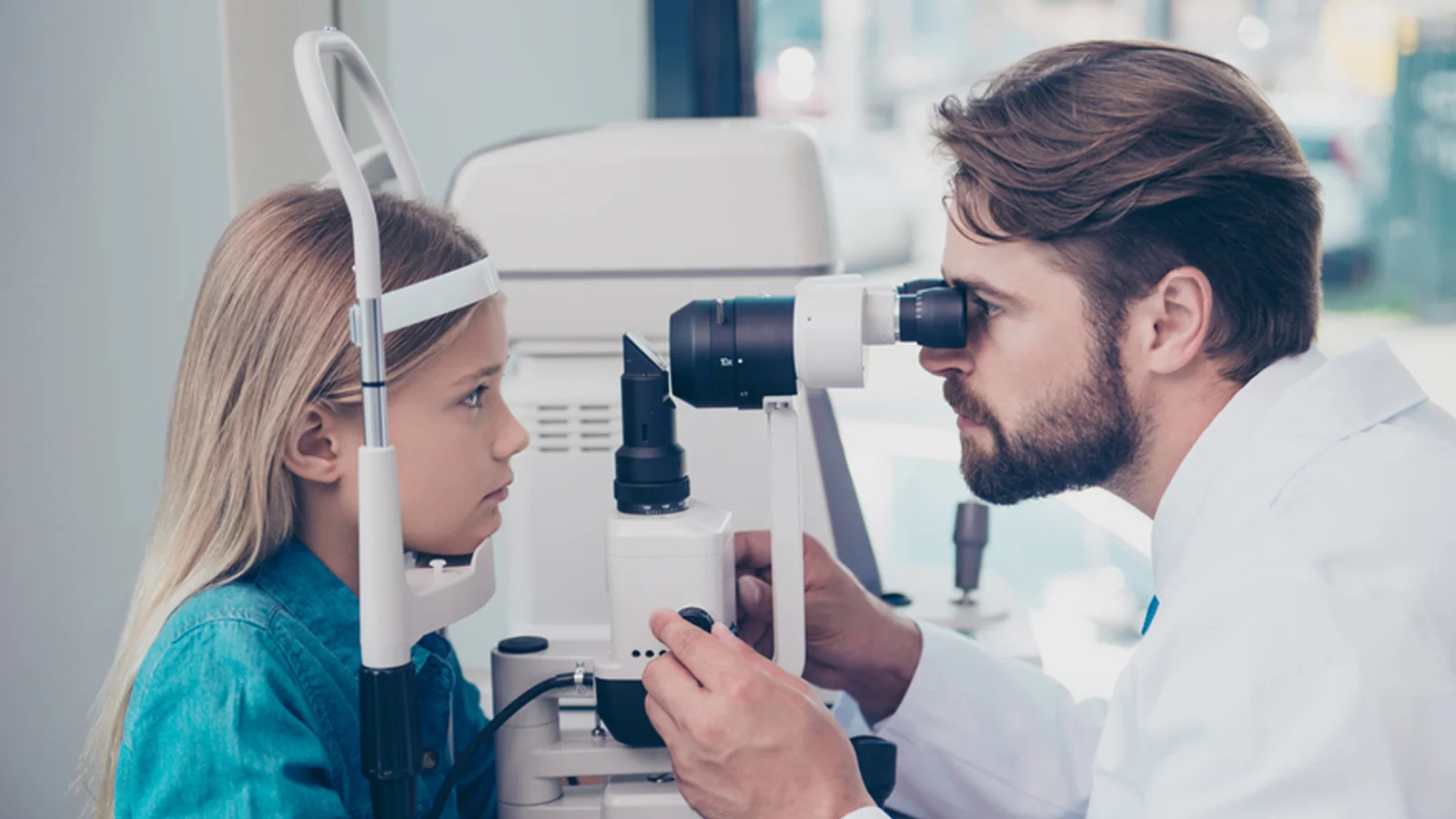
Eye strain (asthenopia) happens when the muscles that control the eye become fatigued. In a developing child, those muscles are working overtime to keep up with school, homework, hobbies, and technology. Here are some of the most common causes:
1. Uncorrected Vision Problems
Many children experience refractive errors such as myopia (nearsightedness), hyperopia (farsightedness), or astigmatism. These conditions force the eyes to strain in order to bring objects into focus, which leads to fatigue and discomfort. Often, kids don’t know that their vision is blurry—they assume everyone sees the way they do.
2. Poor Lighting or Posture
The way a child reads or studies can contribute to eye strain. Reading in dim light, sitting too close to a screen, or hunching over a book for long periods changes how the eyes function and can increase visual fatigue.
3. Excessive Near Work
Children today spend significant time focused on close-up tasks—from textbooks to tablets. Unlike adults, their eyes are still developing the ability to sustain prolonged near vision. Without regular breaks, the muscles tire quickly.
4. Screen Overuse and Blue Light Exposure
Screens aren’t just hard on the eyes because of brightness or text size. They also emit blue light, which scatters more easily and creates additional visual noise. Constant exposure reduces blink rate, leading to dry eyes and further discomfort.
5. Binocular Vision Problems
Sometimes, eye strain stems from how the two eyes work together. Issues like convergence insufficiency or eye misalignment can make it harder for the brain to fuse images into one clear picture. These conditions require specialized treatment and often go unnoticed without a professional exam.
6. General Health and Lifestyle
Fatigue, poor diet, dehydration, and even stress can affect how a child sees. When combined with other visual challenges, these factors can amplify eye strain.
Symptoms You Shouldn’t Ignore
One of the biggest challenges in pediatric ophthalmology is early detection. Children may not know how to describe what they're feeling. Here are some behavioral signs and symptoms that could indicate eye strain:
- Complaints of tired eyes or headaches, especially after reading or screen use
- Rubbing the eyes frequently or blinking excessively
- Squinting, frowning, or tilting the head to focus
- Holding books or devices very close to the face
- Avoiding activities that require visual focus, like reading or puzzles
- Reduced performance at school or loss of interest in visual tasks
What to Expect from a Pediatric Eye Exam at Global Ubal Eye Center
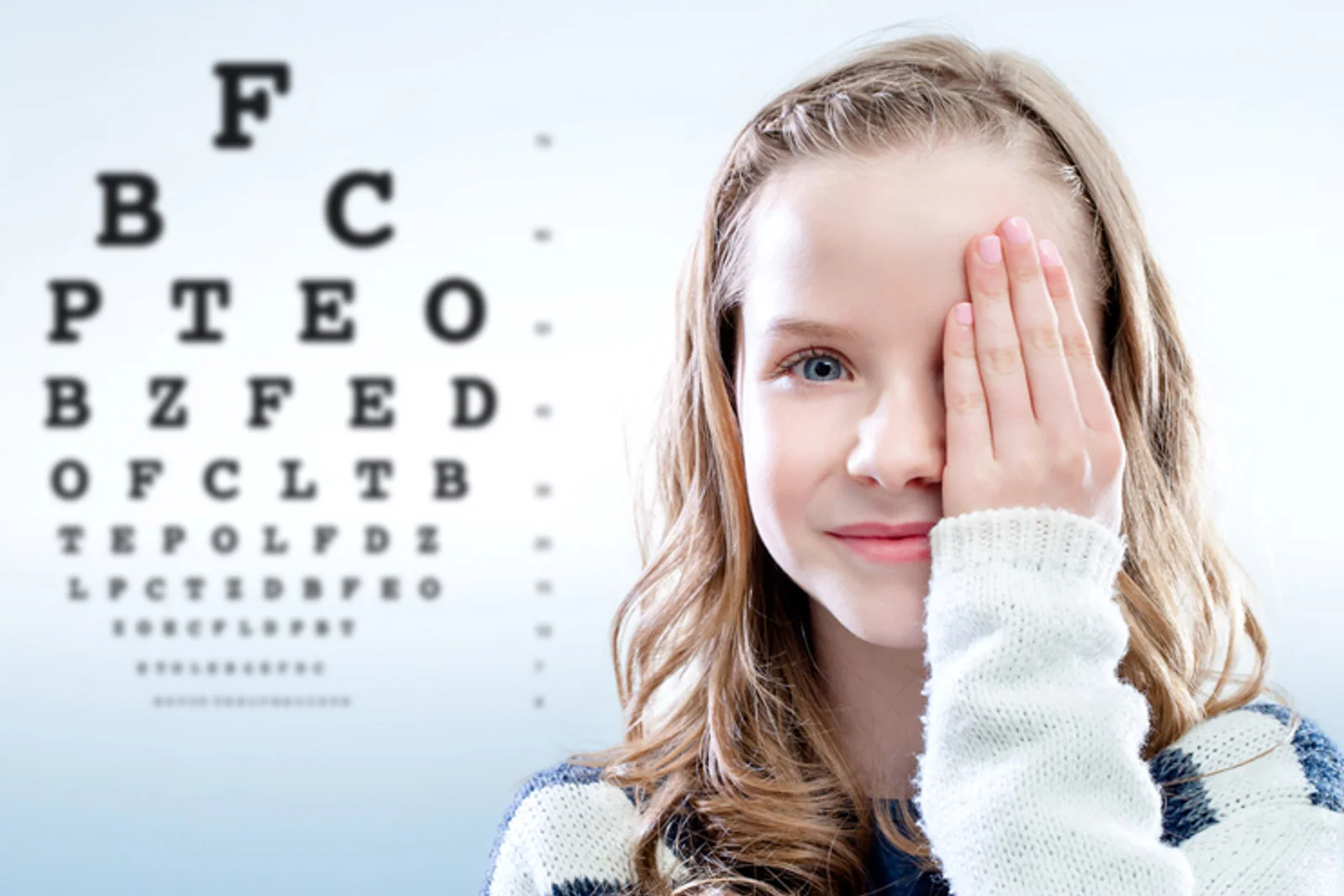
At Global Ubal Eye Center in Incheon, South Korea, we understand that a child’s first eye exam can be daunting. That’s why we take extra steps to create a calming, child-centered experience. Our pediatric exams are designed to be thorough yet friendly, so kids feel safe and parents feel confident.
The Process:
- History Taking: We start by discussing any symptoms, medical history, family eye issues, and behavioral observations.
- Visual Acuity Testing: Using child-appropriate charts, we evaluate vision at near and far distances.
- Refraction Testing: To determine whether glasses are needed, we measure how light enters the eyes and how well it focuses.
- Binocular and Ocular Muscle Function: We assess how well the eyes work together and if there are any coordination issues.
- Eye Health Examination: Using advanced imaging tools, we examine the internal structures of the eye, including the retina, optic nerve, and lens.
- Tailored Recommendations: Based on findings, we suggest treatment plans that may include glasses, vision therapy, or follow-up care.
The Importance of Early Detection and Intervention
When Should You Book an Eye Exam?
Conclusion
More Articles
Continue reading our ophthalmology guides and vision care insights.

SMILE vs LASIK: Recovery Benchmarks for Vision Correction Care
South Korea has solidified its position as a global epicenter for ophthalmology, with the domestic LASIK and refractive surgery market projected to reach **USD 167.37 million by 2035**, growing at a steady CAGR of 8.54%.
Learn More

Prevalence of Myopia in Korea: The Value of Dream Lens Therapy
The prevalence of myopia among young people in South Korea has reached critical levels, often described as a "myopia epidemic." According to recent data from the **Korean National Health and Nutrition Examination Survey (KNHANES)**, the prevalence of myopia...
Learn More

Multidisciplinary Care: The Future of Korean Pediatric Eye Clinics
The landscape of pediatric eye care in South Korea is shifting rapidly. With nearly **21.9% of Korean children** estimated to be affected by various visual disorders according to nationwide health screenings, the demand for specialized intervention has never...
Learn More