Comprehensive Eye Care & Vision Correction in Incheon · Multilingual International Concierge
23+ Years Clinical Experience
en-US

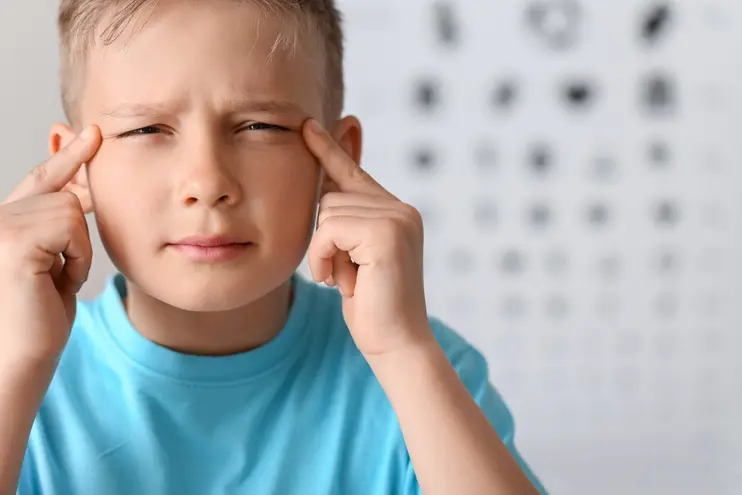
Ophthalmology Guide
Is Your Child Complaining About Eye Strain? Time for an Exam
Is your child complaining about eye strain? Discover signs it’s time for an eye exam and protect their vision health. Schedule a pediatric exam today!
Schedule a ConsultationIntroduction: When a Simple Complaint Means Something More
Every parent knows the feeling: your child comes home from school, drops their backpack on the floor, and rubs their eyes with a sigh. They might say, “My eyes hurt,” or complain that “the letters keep moving when I read.” At first, you may dismiss it — maybe they’re just tired after a long day of classes, piano lessons, and hours of homework.
Why Children Experience Eye Strain
Unlike adults who spend long hours at a computer, children are still in a critical stage of visual development. Their eyes and brain are learning to work together, shaping not just how clearly they see but how they process the world. Eye strain in children can occur for several reasons:
1. Refractive Errors
- Myopia (nearsightedness): Objects up close are clear, but the board at school or distant signs appear blurry.
- Hyperopia (farsightedness): Close-up work like reading causes fatigue, even if distance vision seems fine.
- Astigmatism: Blurred or distorted vision at all distances forces children to strain constantly.
2. Binocular Vision Problems
Sometimes, the eyes don’t align perfectly. A child with convergence insufficiency may struggle to keep both eyes focused on a book or screen, leading to headaches and double vision. These issues often go undetected in basic school vision checks.
3. Digital Eye Strain
In South Korea, children often spend 6–10 hours a day on schoolwork, tutoring, and screen-based activities. Prolonged tablet or smartphone use can cause dry eyes, fatigue, and strain — especially when combined with limited outdoor time.
4. Less Common but Serious Causes
Occasionally, eye strain can point to conditions like pediatric glaucoma, retinal disorders, or eye muscle imbalances. These are rarer, but they underscore why a proper exam is essential.
The Rising Tide of Myopia in Korea
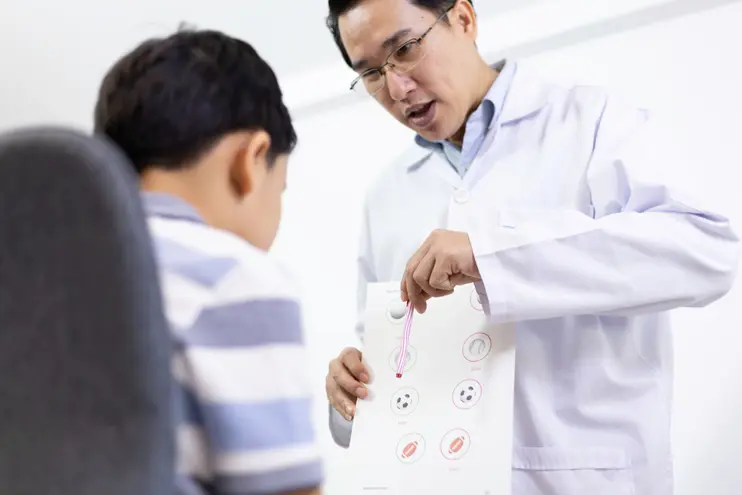
One of the most pressing concerns in modern pediatric eye care is the explosion of myopia in Asia. In South Korea, studies suggest that up to 80–90% of teenagers are nearsighted, a rate far higher than in many Western countries.
- High academic demands: Long study hours from a young age put continuous strain on developing eyes.
- Screen time: Smartphones and tablets are part of daily life, often replacing outdoor play.
- Genetics: Children with one or both parents who are myopic face higher risks.
Signs Parents Shouldn’t Ignore
Children rarely say, “I can’t see well.” Instead, they adapt in subtle ways that parents might misinterpret. Common warning signs include:
- Rubbing eyes frequently, especially after homework
- Complaining of headaches or eye pain
- Tilting the head, covering one eye, or squinting
- Sitting too close to the television or holding books very near
- Losing interest in reading despite enjoying stories
- Falling behind academically or seeming inattentive
What Happens During a Pediatric Eye Exam
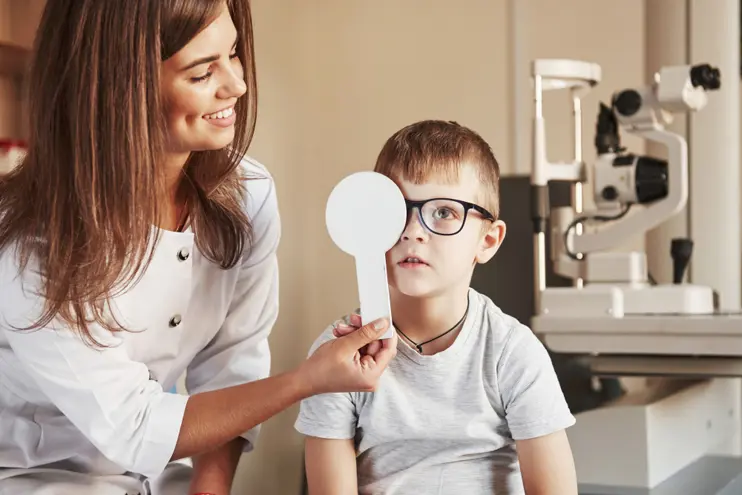
Parents often assume an eye exam will be quick and simple, like reading a chart of letters. In reality, a comprehensive pediatric eye exam is much more detailed. At Global Ubal Eye Center, our evaluation typically includes:
- Vision testing and refraction: Identifying whether glasses or contact lenses are needed.
- Binocular vision and eye alignment checks: Ensuring the eyes work smoothly together.
- Ocular health evaluation: Examining the retina, cornea, optic nerve, and lens to rule out hidden disease.
- Child-friendly methods: For very young patients, we use picture charts, lights, and playful tools to measure vision accurately.
The Role of Lifestyle in Eye Health
Treating eye strain goes beyond glasses. Habits at home and school play a critical role in keeping children’s eyes healthy.
- Outdoor activity: Studies consistently show that 1–2 hours of outdoor play daily reduces the risk of myopia. Natural light and distant focusing help relax the eyes.
- Balanced screen use: While it’s unrealistic to eliminate devices, structured limits can reduce digital strain. Encourage the 20-20-20 rule: every 20 minutes, look at something 20 feet away for 20 seconds.
- Healthy study habits: Proper lighting, good posture, and regular breaks prevent excessive strain.
- Sleep and nutrition: Adequate rest and a balanced diet rich in vitamins A, C, and omega-3 fatty acids support overall eye health.
Why Early Action is Essential
A Parent’s Perspective: The Real Impact of Eye Care
Conclusion: Protecting Your Child’s Vision for Life
More Articles
Continue reading our ophthalmology guides and vision care insights.

SMILE vs LASIK: Recovery Benchmarks for Vision Correction Care
South Korea has solidified its position as a global epicenter for ophthalmology, with the domestic LASIK and refractive surgery market projected to reach **USD 167.37 million by 2035**, growing at a steady CAGR of 8.54%.
Learn More

Prevalence of Myopia in Korea: The Value of Dream Lens Therapy
The prevalence of myopia among young people in South Korea has reached critical levels, often described as a "myopia epidemic." According to recent data from the **Korean National Health and Nutrition Examination Survey (KNHANES)**, the prevalence of myopia...
Learn More

Multidisciplinary Care: The Future of Korean Pediatric Eye Clinics
The landscape of pediatric eye care in South Korea is shifting rapidly. With nearly **21.9% of Korean children** estimated to be affected by various visual disorders according to nationwide health screenings, the demand for specialized intervention has never...
Learn More