Comprehensive Eye Care & Vision Correction in Incheon · Multilingual International Concierge
23+ Years Clinical Experience
en-US


Ophthalmology Guide
Is Vision Correction Tax Deductible? What Patients Need to Know
Learn if vision correction procedures like LASIK, glasses, and contacts are tax deductible, and what patients need to know about medical expense deductions.
Schedule a ConsultationIntroduction
At Global Ubal Eye Center, we are committed to providing top-tier vision correction treatments that help you see the world more clearly. Whether you're considering LASIK surgery, need a new pair of prescription glasses, or rely on contact lenses for daily vision support, the cost of these services can add up over time.
Is Vision Correction Surgery Tax Deductible?
One of the most popular and effective ways to improve your vision is through surgery, such as LASIK (Laser-Assisted in Situ Keratomileusis) or other similar procedures like PRK (photorefractive keratectomy) or refractive lens exchange. These surgeries are highly sought after because they provide long-term solutions to vision problems, eliminating or greatly reducing the need for glasses or contact lenses.
Tax Deductibility of LASIK Surgery and Other Vision Correction Surgeries
In the eyes of the IRS, LASIK surgery and similar vision correction procedures are considered medical expenses, which means that you may be able to deduct the cost of these treatments from your taxes. However, to benefit from these deductions, you must itemize your deductions rather than taking the standard deduction on your tax return.
What Does This Mean for You?
If your medical expenses surpass this 7.5% threshold, you may be able to deduct the full cost of LASIK surgery, or any other qualified vision correction surgeries, from your taxable income. For example, if your LASIK surgery cost $3,500 and your medical expenses exceeded the threshold, the $3,500 may be deducted from your taxable income, potentially resulting in significant savings.
Prescription Glasses and Contact Lenses
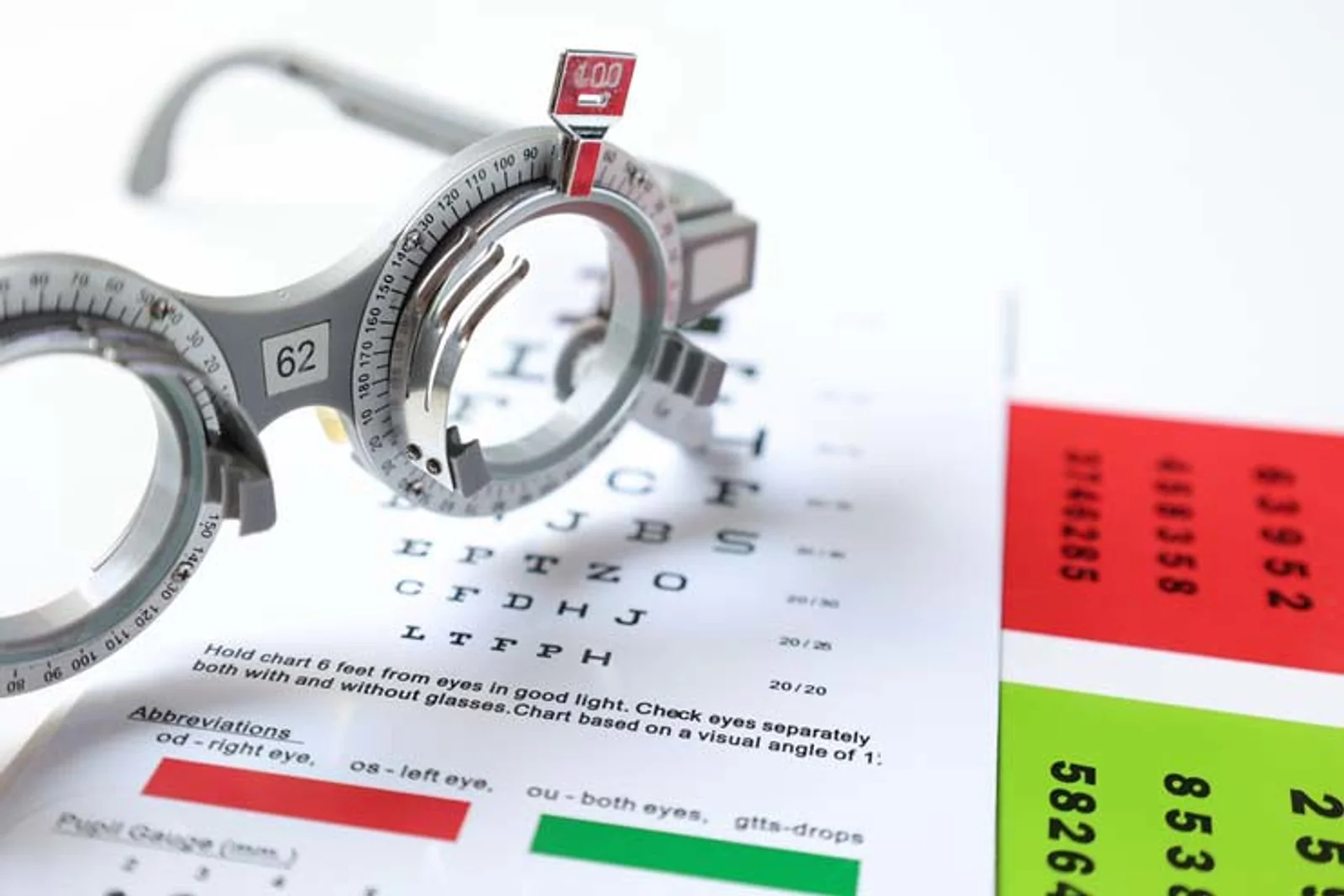
At Global Ubal Eye Center, we not only offer cutting-edge LASIK surgery but also provide patients with comprehensive eye care solutions, including prescriptions for glasses and contact lenses. These products are essential for millions of people who rely on corrective eyewear for daily activities.
Tax Deductibility of Glasses and Contacts
Prescription eyeglasses and contact lenses are considered medical expenses by the IRS and are eligible for tax deductions, just like vision correction surgery. However, again, you must itemize your deductions and meet the 7.5% AGI threshold.
Important Considerations
- If you purchase eyeglasses or contact lenses that are not medically necessary (for example, cosmetic contacts), those may not qualify for tax deductions. Therefore, it’s important to ensure that the glasses or lenses are prescribed for medical purposes.
- Keep all receipts and medical records from Global Ubal Eye Center to ensure you have proper documentation if you decide to claim the cost of your eyewear on your taxes.
Utilizing Health Savings Accounts (HSAs) and Flexible Spending Accounts (FSAs)
Another excellent way to make your vision correction treatments more affordable is by using tax-advantaged accounts like a Health Savings Account (HSA) or a Flexible Spending Account (FSA). These accounts allow you to pay for qualifying medical expenses, including vision correction procedures, with pre-tax dollars.
Health Savings Accounts (HSAs)
HSAs are available to individuals with a high-deductible health plan (HDHP). These accounts allow you to contribute pre-tax income, which reduces your taxable income for the year. You can use the funds to pay for medical expenses, including vision correction surgeries, prescription glasses, contact lenses, and even eye exams.
Flexible Spending Accounts (FSAs)
FSAs are similar to HSAs but are typically offered through your employer as part of a benefits package. These accounts also allow you to set aside pre-tax money to pay for medical expenses. However, the main difference is that FSAs usually have an annual “use-it-or-lose-it” rule, meaning that if you don’t use the funds within the plan year, you forfeit them.
Tax Deductions for Medical Expenses: What You Need to Know

Even though vision correction procedures and products may be deductible, it's important to understand the limitations of tax deductions for medical expenses. Here are a few things to consider:
What Should Patients Do Next?
Conclusion
More Articles
Continue reading our ophthalmology guides and vision care insights.

SMILE vs LASIK: Recovery Benchmarks for Vision Correction Care
South Korea has solidified its position as a global epicenter for ophthalmology, with the domestic LASIK and refractive surgery market projected to reach **USD 167.37 million by 2035**, growing at a steady CAGR of 8.54%.
Learn More

Prevalence of Myopia in Korea: The Value of Dream Lens Therapy
The prevalence of myopia among young people in South Korea has reached critical levels, often described as a "myopia epidemic." According to recent data from the **Korean National Health and Nutrition Examination Survey (KNHANES)**, the prevalence of myopia...
Learn More

Multidisciplinary Care: The Future of Korean Pediatric Eye Clinics
The landscape of pediatric eye care in South Korea is shifting rapidly. With nearly **21.9% of Korean children** estimated to be affected by various visual disorders according to nationwide health screenings, the demand for specialized intervention has never...
Learn More