Comprehensive Eye Care & Vision Correction in Incheon · Multilingual International Concierge
23+ Years Clinical Experience
en-US


Ophthalmology Guide
Is Presbyopia Affecting Your Vision? Here’s How We Can Fix It
Struggling with blurry near vision from presbyopia? Discover effective treatment options to restore clarity today. Book a consultation to see clearly again!
Schedule a ConsultationIntroduction: Clear Vision, Clouded Comfort
One of the most overlooked but universal shifts in adulthood happens right before our eyes — literally. It’s that moment when reading your phone, a menu, or even a morning newspaper becomes a strain. You find yourself adjusting the distance, changing the lighting, or buying yet another pair of reading glasses.
What Is Presbyopia, Really?
Presbyopia isn’t a disease — it’s a shift in how your eyes work over time. As we age, the lens inside the eye gradually loses flexibility. In your 20s and 30s, the lens can easily adjust its shape to focus on close-up tasks like reading or sewing. But by your 40s or 50s, the lens stiffens, making it harder to shift focus from far to near objects.
Why It's More Than Just "Getting Older"
To be honest, many people treat presbyopia as just another part of aging — like gray hair or wrinkles. But vision affects everything: how you read, drive, work, and even how confident you feel in social settings. For many, the sudden need for reading glasses feels like a sign of decline, which can be emotionally difficult, especially if you’ve prided yourself on sharp eyesight.
Understanding the Science of Presbyopia

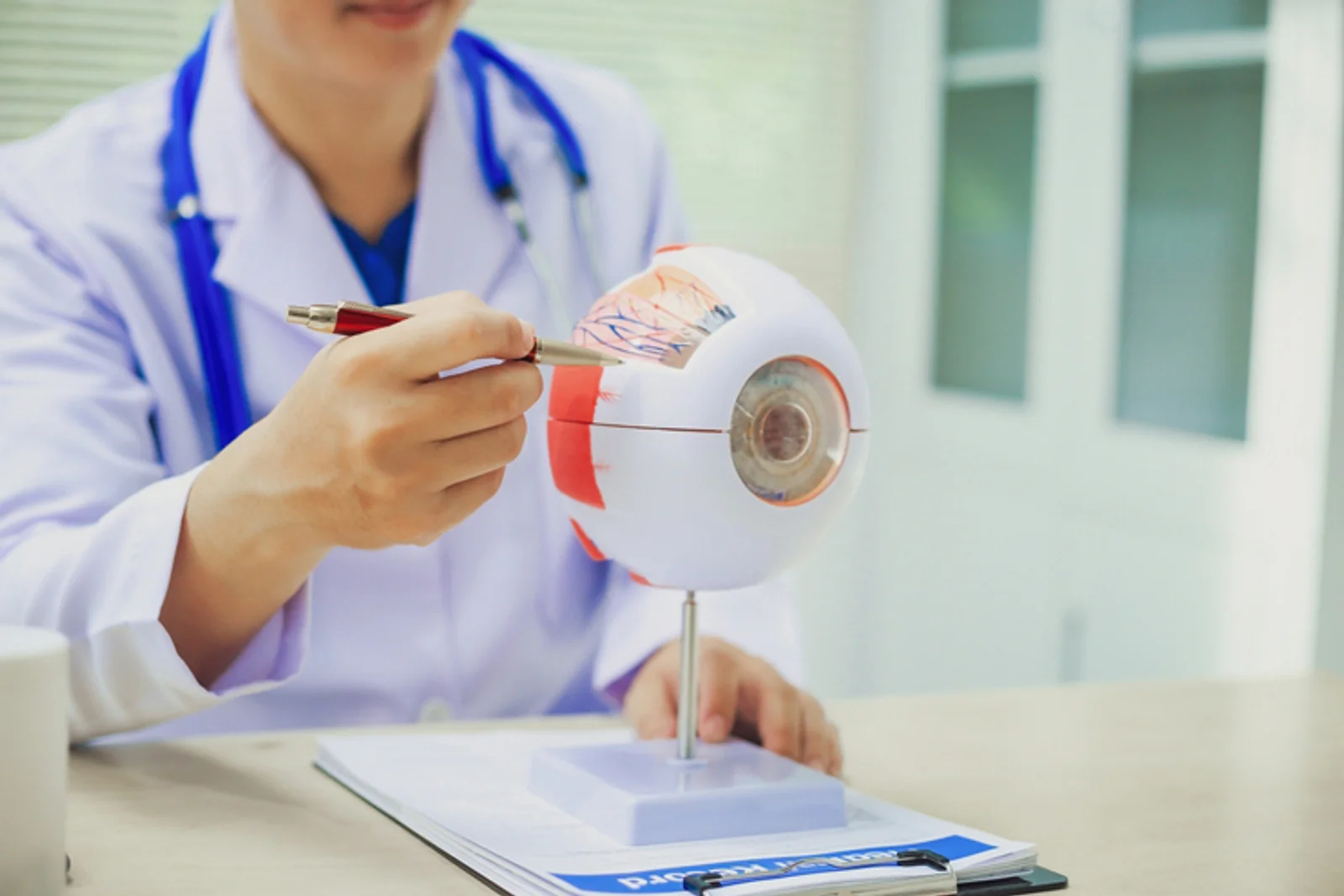
Let’s take a moment to go deeper. The human eye works like a camera. The cornea and lens focus light onto the retina at the back of the eye. The lens is key for near vision — it changes shape, thanks to tiny muscles, to bring close-up objects into focus. This process is called accommodation.
Modern Solutions That Actually Work
Reading glasses are often the first solution people reach for, and they can be helpful. But they're not the only option — and for many, not the best one long-term. At Global Ubal Eye Center, we take time to understand your lifestyle before recommending treatment. Here are some of the options we commonly provide:
- Multifocal and progressive lenses: These glasses have zones for both near and far vision, reducing the need to switch between pairs. They're discreet and can be customized to your needs.
- Contact lens options: From monovision lenses (one eye for distance, one for near) to multifocal contacts, there are flexible choices that suit active lifestyles. We offer trial lenses to ensure you can adapt comfortably.
- Laser vision correction: For the right candidate, procedures like PresbyLASIK reshape the cornea to improve near vision. This is especially useful for patients who are already considering LASIK or have had it in the past.
- Intraocular lens (IOL) implants: If you're already dealing with cataracts or considering lens-based correction, premium IOLs can replace the aging lens with one that restores a full range of focus. These are particularly effective for patients in their 50s and 60s seeking long-term clarity.
- Corneal inlays (in select cases): Small, ring-like devices can be implanted into the cornea to improve near vision without affecting distance sight.
What We Know That Google Doesn’t Tell You
Here’s something few people realize: treating presbyopia isn't just about vision. It's about brain adaptation. When we introduce a multifocal lens or monovision strategy, your visual system needs to adjust. Some patients adapt quickly. Others need time.
Conclusion: Your Vision, Your Future
Presbyopia isn’t just about needing reading glasses. It’s about how we adapt to a natural change in our vision without sacrificing the clarity and quality of life we deserve. At Global Ubal Eye Center, we understand how deeply personal and sometimes frustrating these changes can be.
More Articles
Continue reading our ophthalmology guides and vision care insights.

SMILE vs LASIK: Recovery Benchmarks for Vision Correction Care
South Korea has solidified its position as a global epicenter for ophthalmology, with the domestic LASIK and refractive surgery market projected to reach **USD 167.37 million by 2035**, growing at a steady CAGR of 8.54%.
Learn More

Prevalence of Myopia in Korea: The Value of Dream Lens Therapy
The prevalence of myopia among young people in South Korea has reached critical levels, often described as a "myopia epidemic." According to recent data from the **Korean National Health and Nutrition Examination Survey (KNHANES)**, the prevalence of myopia...
Learn More

Multidisciplinary Care: The Future of Korean Pediatric Eye Clinics
The landscape of pediatric eye care in South Korea is shifting rapidly. With nearly **21.9% of Korean children** estimated to be affected by various visual disorders according to nationwide health screenings, the demand for specialized intervention has never...
Learn More