Comprehensive Eye Care & Vision Correction in Incheon · Multilingual International Concierge
23+ Years Clinical Experience
en-US

Ophthalmology Guide
Is Macular Degeneration Treatable? Learn Your Options
Discover effective treatments for macular degeneration, from medications to lifestyle changes. Understand your options—protect your vision today!
Schedule a ConsultationIntroduction
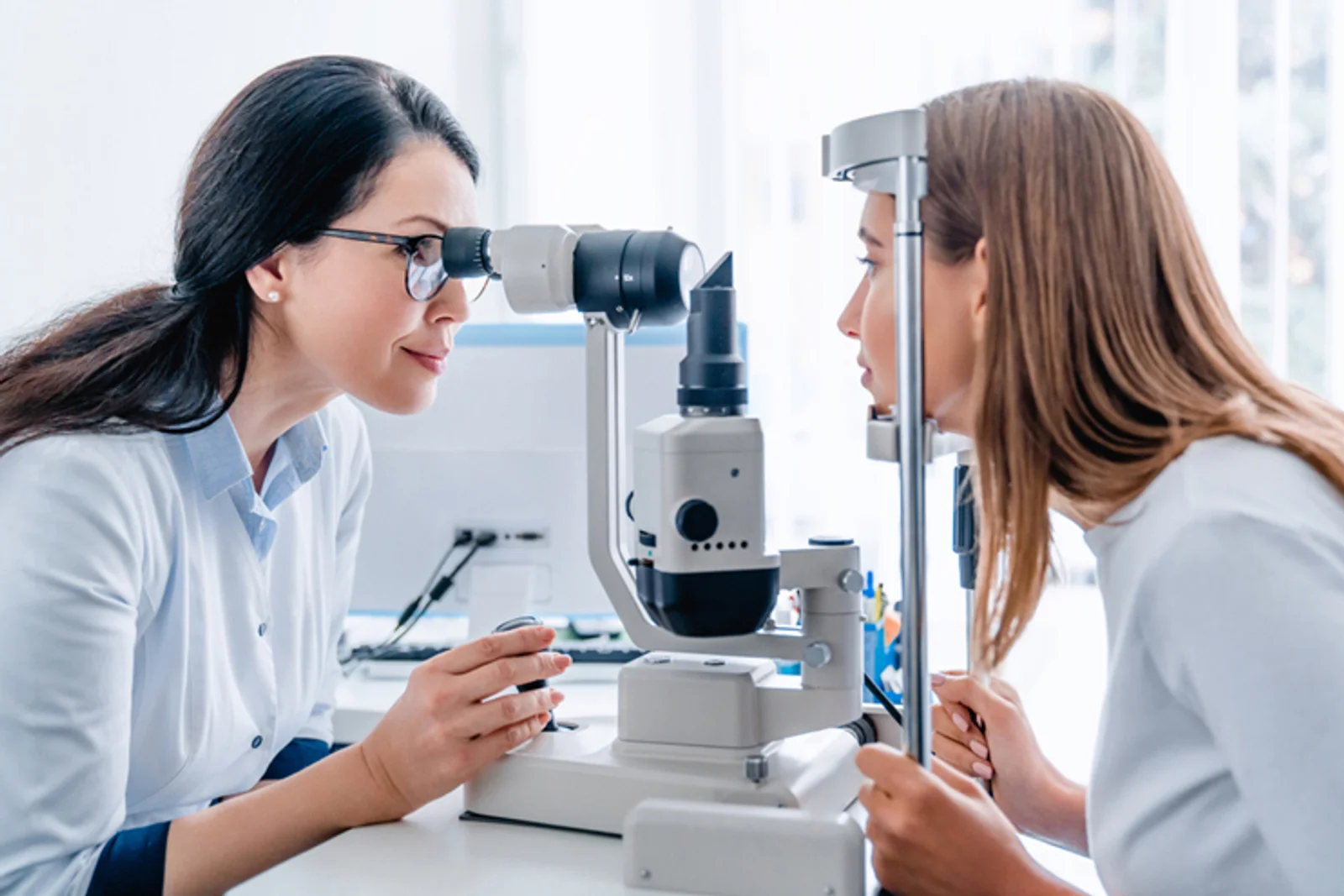
Imagine waking up one morning and realizing the center of your vision is blurred. You rub your eyes, hoping it’s just temporary — maybe your glasses are dirty or you didn’t sleep well. But the blurriness doesn’t go away. Instead, it gets worse over time. This is the reality for millions of people affected by macular degeneration — one of the leading causes of vision loss worldwide.
What Is Macular Degeneration?
Macular degeneration, more precisely known as age-related macular degeneration (AMD), is a disease that affects the macula — the central portion of the retina responsible for sharp, straight-ahead vision. When the macula deteriorates, it becomes increasingly difficult to read, drive, recognize faces, or see fine details.
- Dry AMD: The more common of the two, dry AMD results from the gradual thinning of the macula over time. It typically progresses slowly.
- Wet AMD: Less common but more aggressive, wet AMD involves the growth of abnormal blood vessels beneath the retina that leak fluid and blood, leading to rapid central vision loss.
The Role of Age and Genetics
Macular degeneration is strongly associated with aging. Most cases occur in people over the age of 50. Genetics also play a significant role. If a close family member has AMD, your risk is higher. But lifestyle factors — such as smoking, poor diet, and lack of exercise — can accelerate its onset or worsen its progression.
Treating Dry AMD: Slowing the Slide
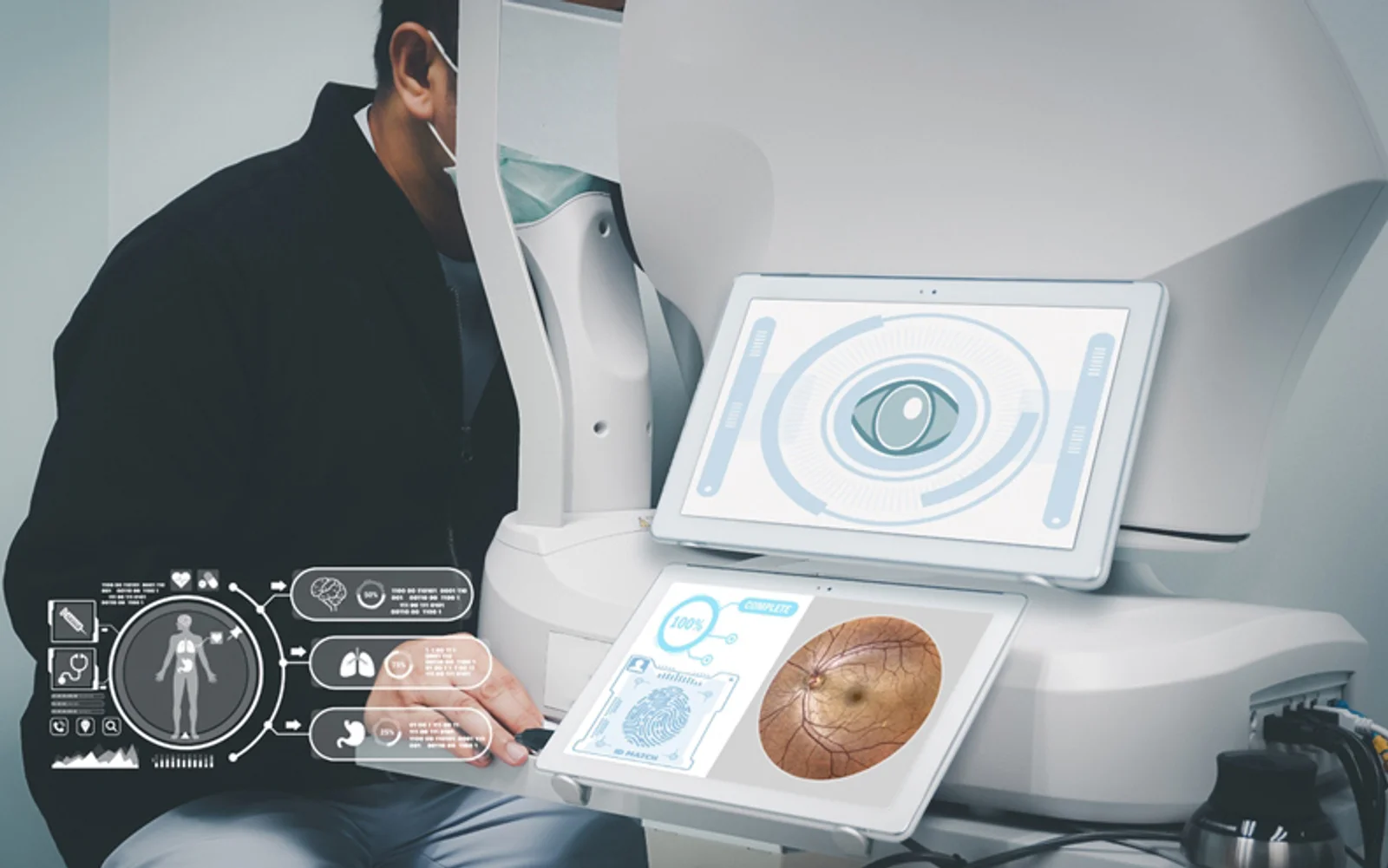
If you’ve been diagnosed with dry AMD, it’s important to understand that while we can't reverse the damage already done, we can often slow the progression.
1. Evidence-Based Supplements
The AREDS2 study, one of the most robust ophthalmic trials ever conducted, found that specific vitamins and minerals can significantly slow progression in intermediate dry AMD. The right combination includes:
- Vitamin C (500 mg)
- Vitamin E (400 IU)
- Zinc (80 mg)
- Copper (2 mg)
- Lutein (10 mg) and Zeaxanthin (2 mg)
2. Diet and Lifestyle
There’s a saying we often use: "Feed your eyes the way you’d feed your heart."
3. Monitoring and Early Detection
One key to managing dry AMD is vigilance. We teach our patients to use the Amsler grid at home — a simple tool to detect subtle visual distortions that may indicate progression.
4. Blue Light and Environmental Protection
Modern lifestyles expose us to prolonged screen time, which some studies suggest may contribute to retinal stress. While the evidence is still evolving, we recommend patients minimize unnecessary screen exposure and use protective eyewear, particularly in bright environments.
Treating Wet AMD: A More Aggressive Approach
Wet AMD is a medical emergency, and it's also an area where science has advanced dramatically in the past two decades.
1. Anti-VEGF Injections
The cornerstone of wet AMD treatment today is anti-VEGF therapy. These medications block vascular endothelial growth factor (VEGF), which fuels the growth of those harmful new blood vessels.
- Lucentis (ranibizumab)
- Eylea (aflibercept)
- Beovu (brolucizumab)
2. Extended-Duration Therapies
Recent innovations are changing the injection landscape. Newer formulations and sustained-release delivery systems are reducing the frequency of treatments — something that greatly improves quality of life.
3. Laser and Combination Treatments
In selected cases, especially when fluid persists despite injections, we may consider laser photocoagulation or photodynamic therapy (PDT). These are highly specialized procedures, and we only recommend them when they offer a clear benefit.
What About the Future?

Science is racing ahead. Gene therapy, stem cell treatments, and retinal implants are all on the research horizon. While none are standard treatments yet, clinical trials in South Korea and globally are making progress.
Why Early Diagnosis Is Everything
We can’t emphasize this enough — macular degeneration often starts silently. You might not notice a thing until it’s already affected your central vision.
Choosing the Right Clinic Matters
There’s a reason patients from all over Korea — and beyond — choose Global Ubal Eye Center. With over 23 years of experience, advanced diagnostic equipment, and a multilingual team led by Dr. Heecheol Bae, MD, PhD, we deliver care that combines precision with compassion.
Conclusion: Take the Next Step for Your Vision
Macular degeneration isn’t a life sentence. With the right information, consistent care, and the support of an experienced ophthalmology team, patients can manage AMD effectively and continue to enjoy the activities and relationships that matter most.
More Articles
Continue reading our ophthalmology guides and vision care insights.

SMILE vs LASIK: Recovery Benchmarks for Vision Correction Care
South Korea has solidified its position as a global epicenter for ophthalmology, with the domestic LASIK and refractive surgery market projected to reach **USD 167.37 million by 2035**, growing at a steady CAGR of 8.54%.
Learn More

Prevalence of Myopia in Korea: The Value of Dream Lens Therapy
The prevalence of myopia among young people in South Korea has reached critical levels, often described as a "myopia epidemic." According to recent data from the **Korean National Health and Nutrition Examination Survey (KNHANES)**, the prevalence of myopia...
Learn More

Multidisciplinary Care: The Future of Korean Pediatric Eye Clinics
The landscape of pediatric eye care in South Korea is shifting rapidly. With nearly **21.9% of Korean children** estimated to be affected by various visual disorders according to nationwide health screenings, the demand for specialized intervention has never...
Learn More