Comprehensive Eye Care & Vision Correction in Incheon · Multilingual International Concierge
23+ Years Clinical Experience
en-US


Ophthalmology Guide
Is LASIK Worth It If You Have Mild Myopia? Experts Explain
Discover whether LASIK is worth it for mild myopia—expert insights, risks, benefits & what to expect. Learn more before you decide!
Schedule a ConsultationIntroduction: When “Mild” Becomes Meaningful
If you’ve ever found yourself squinting to read a subway sign or wishing you didn’t have to grab your glasses just to watch TV from the couch, you’ve already experienced the quiet friction of mild myopia. It’s easy to dismiss. After all, you’re not blind. You can function. But over time, that subtle blur becomes more than an inconvenience — it becomes a lifestyle limiter.
Understanding Mild Myopia in Daily Life
Mild myopia typically refers to a refractive error between -0.50 to -3.00 diopters. It’s common, often stable, and frequently corrected with glasses or contact lenses. But “mild” doesn’t always feel small.
What LASIK Really Does
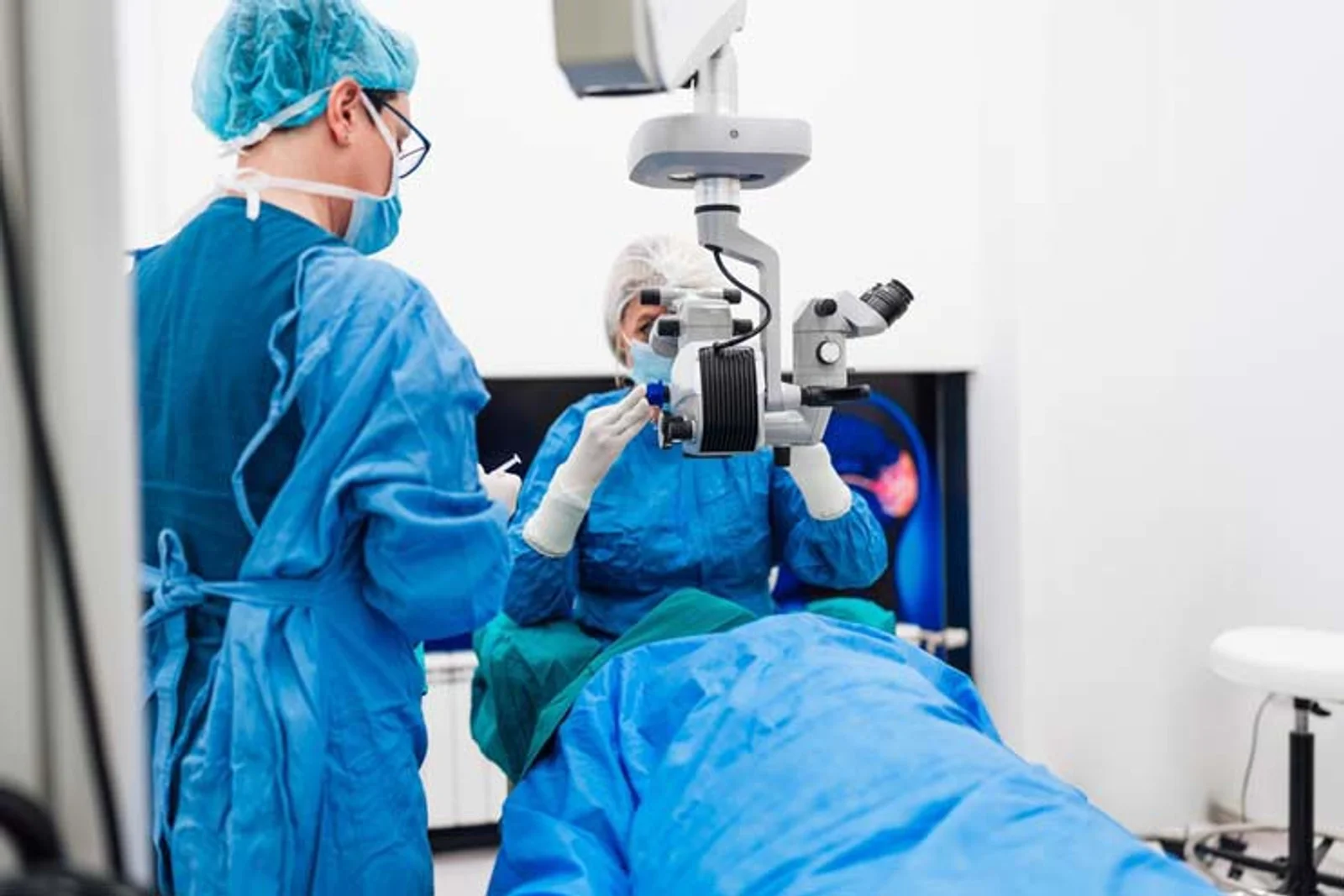
LASIK (Laser-Assisted In Situ Keratomileusis) works by reshaping your cornea so light focuses correctly on the retina. For mild myopia, this means a small but precise correction to improve distance vision. The procedure:
- Takes under 15 minutes
- Is virtually painless
- Offers results within 24–48 hours
Why Mild Myopia Responds Well to LASIK
1. High Precision
The less refractive error there is to correct, the more accurate the laser can be. Mild myopia patients tend to achieve 20/20 vision or better, often within a day. This is due to the high stability and predictability of treating lower diopters.
2. Minimal Tissue Removal
LASIK requires corneal tissue to be removed. With mild myopia, the amount removed is minimal, which:
- Preserves long-term corneal health
- Reduces risk of complications
- Makes enhancement easier if needed
3. Fast Recovery and Long-Term Stability
Most patients are back to work or school within 1–2 days. And because the correction is small, the risk of regression is also lower. The visual results tend to hold strong for years, assuming a healthy ocular surface and stable prescription pre-surgery.
4. Improved Quality of Life
It’s not just about ditching glasses. It’s about waking up and seeing clearly, exercising without fear of losing a lens, or traveling without carrying multiple pairs of eyewear. It’s the ability to live spontaneously. LASIK removes the subtle limitations imposed by corrective lenses, and that’s what many of our patients value most.
When LASIK Might Not Be Ideal
1. You’re Over 40
As we age, presbyopia (loss of near vision) becomes a factor. LASIK can correct your distance vision but may reduce your ability to read up close. For some, a slight degree of myopia is helpful in middle age. In these cases, monovision LASIK — correcting one eye for distance and one for near — may be a better option.
2. You Have Dry Eyes
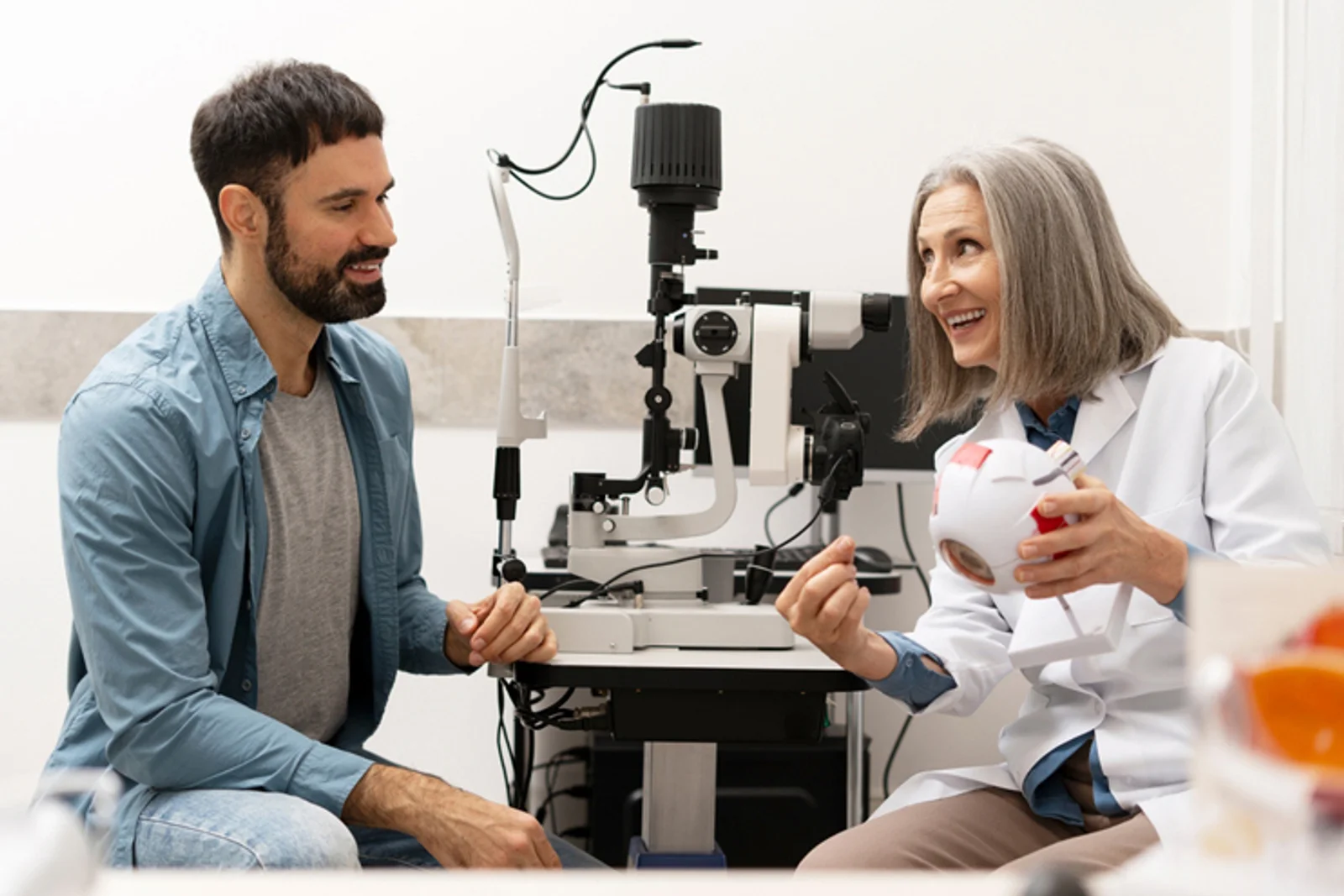
If you already suffer from dry eyes, LASIK may worsen symptoms temporarily. At Global Ubal Eye Center, we assess and treat dry eye disease before considering surgery. Mild myopia or not, the tear film plays a major role in post-op visual quality.
3. Corneal Conditions or Thin Corneas
LASIK is not suitable for everyone. People with conditions like keratoconus or thin corneas are better suited for surface procedures like LASEK or SMILE.
4. Unrealistic Expectations
LASIK improves your vision, but it may not make it superhuman. Some patients still experience glare or halos at night. That’s why we talk honestly about possible outcomes during your consultation.
How to Decide: A Thoughtful Approach
Step 1: Understand Your Goals
Is it about aesthetics, convenience, or independence? Your answer shapes the solution.
Step 2: Get a Full Eye Exam
We assess more than your prescription: tear film, corneal shape, pupil size, and retina health all matter.
Step 3: Explore All Options
Sometimes LASIK isn’t the only path. SMILE, LASEK, or Dream Lens (orthokeratology) may suit you better, especially if you have thin corneas or night vision concerns.
Step 4: Think Long-Term
Your eyes will change over time. LASIK offers stable correction, but we always plan for aging vision, lifestyle, and future needs. Our goal is not just to fix today’s problem, but to support your vision journey for years to come.
Conclusion: It’s Not Just LASIK. It’s Liberation.
Here’s what we’ve learned after more than two decades at Global Ubal Eye Center: it’s not always the most severe vision problems that inspire the biggest changes — sometimes, it’s the mild ones.
More Articles
Continue reading our ophthalmology guides and vision care insights.

SMILE vs LASIK: Recovery Benchmarks for Vision Correction Care
South Korea has solidified its position as a global epicenter for ophthalmology, with the domestic LASIK and refractive surgery market projected to reach **USD 167.37 million by 2035**, growing at a steady CAGR of 8.54%.
Learn More

Prevalence of Myopia in Korea: The Value of Dream Lens Therapy
The prevalence of myopia among young people in South Korea has reached critical levels, often described as a "myopia epidemic." According to recent data from the **Korean National Health and Nutrition Examination Survey (KNHANES)**, the prevalence of myopia...
Learn More

Multidisciplinary Care: The Future of Korean Pediatric Eye Clinics
The landscape of pediatric eye care in South Korea is shifting rapidly. With nearly **21.9% of Korean children** estimated to be affected by various visual disorders according to nationwide health screenings, the demand for specialized intervention has never...
Learn More