Comprehensive Eye Care & Vision Correction in Incheon · Multilingual International Concierge
23+ Years Clinical Experience
en-US

Ophthalmology Guide
Is LASEK the Right LASIK Alternative for You?
Discover if LASEK is the right LASIK alternative for your eyes. Learn the pros, cons, and who it's best for in this expert guide. Find out more today!
Schedule a ConsultationIntroduction: When Clear Vision Needs a Careful Choice
There’s a special kind of joy in waking up and seeing the world clearly — the morning sunlight pouring through your window, the skyline in focus, the faces you love coming into view without reaching for glasses. For many, that dream begins with LASIK, a procedure often celebrated as the ultimate vision correction solution.
The Foundation: How Vision Correction Works
To understand why LASEK might be a better fit for some people, it helps to know what both LASIK and LASEK actually do. Both surgeries belong to the same family — refractive laser surgeries — designed to correct the way light bends (refracts) into your eye.
LASIK: Quick Recovery, Flap-Based Precision
LASIK (Laser-Assisted In Situ Keratomileusis) is the most widely recognized refractive surgery. In this procedure, a surgeon creates a thin corneal flap using either a microkeratome blade or a femtosecond laser. The laser then reshapes the underlying corneal tissue, and the flap is placed back like a natural bandage.
- Rapid recovery — most patients see improvement within 24 hours.
- Minimal discomfort after the procedure.
- Stable long-term results when performed on the right candidates.
LASEK: The Flap-Free Solution for Delicate Eyes
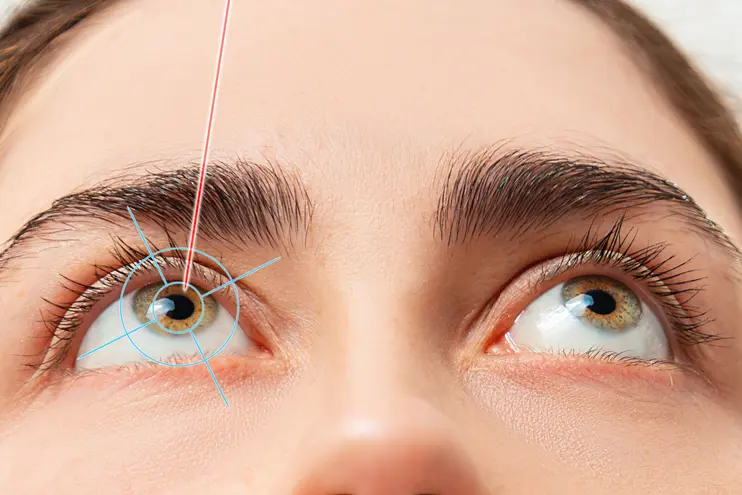
LASEK (Laser-Assisted Subepithelial Keratectomy) was developed to preserve more of the cornea’s natural strength. Instead of cutting a flap, the surgeon loosens and gently lifts the epithelial layer, which is the thin outer surface of the cornea. The laser reshapes the underlying corneal tissue just like in LASIK, but the epithelium is then repositioned and allowed to regenerate naturally.
- Preserves more corneal tissue — crucial for thin or borderline corneas.
- Avoids flap-related complications, even years later.
- Provides excellent visual outcomes equal to LASIK once fully healed.
Why Some Eyes Are Better Suited for LASEK
Not all corneas are built the same. Some are naturally thin; others have subtle irregularities invisible to the naked eye. Factors like genetics, age, and even long-term contact lens wear can affect corneal structure.
- Have thin or borderline corneal thickness.
- Play contact sports or engage in activities where eye trauma is possible.
- Have dry eyes, since LASIK’s flap may temporarily worsen dryness.
- Prefer a conservative approach with long-term corneal preservation in mind.
The Healing Process: A Journey of Regeneration
If LASIK recovery is like flipping a switch, LASEK recovery is more like watching dawn break — gradual, steady, and beautiful in its own time.
- Mild discomfort or tearing for 2–3 days.
- Vision that gradually improves over 5–7 days.
- Full visual stability within several weeks.
Modern Myths About LASEK — and the Truth Behind Them
Even today, some people think of LASEK as the “older” or “slower” cousin of LASIK. That couldn’t be further from the truth.
- Equal or better visual acuity outcomes compared to LASIK.
- Lower risk for patients with corneal irregularities.
- Long-term structural stability of the cornea.
The Role of Technology — Guided by Human Judgment
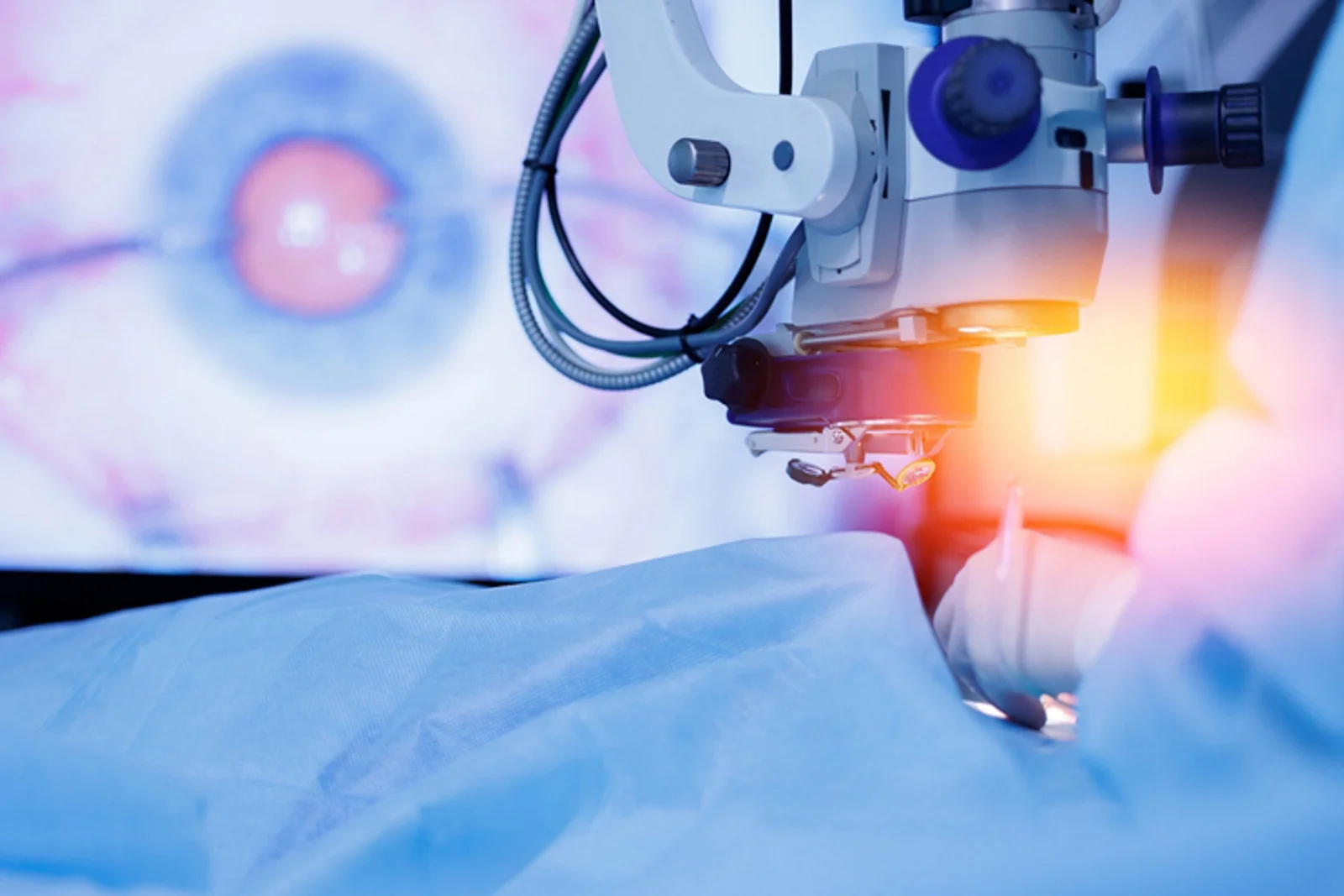
Technology plays an extraordinary role in modern ophthalmology. Our clinic uses wavefront-guided excimer lasers, OCT-based corneal mapping, and non-contact topography to analyze every patient’s eye in microscopic detail.
What the Consultation Process Looks Like
At Global Ubal Eye Center, our LASEK and LASIK evaluations are among the most comprehensive in South Korea. A typical assessment includes:
The Global Ubal Eye Center Promise
Located in the heart of Incheon, Global Ubal Eye Center combines advanced medical technology with a deeply human approach. We serve both local and international patients, with multilingual support in Korean, English, Japanese, Mongolian, and Russian.
Conclusion: Seeing Clearly, Living Confidently
If you’ve been researching LASIK and wondering whether LASEK might be better for you, the best first step is a comprehensive eye examination. Because what truly matters isn’t which laser we use — it’s what your eyes need to see clearly, comfortably, and safely.
More Articles
Continue reading our ophthalmology guides and vision care insights.

SMILE vs LASIK: Recovery Benchmarks for Vision Correction Care
South Korea has solidified its position as a global epicenter for ophthalmology, with the domestic LASIK and refractive surgery market projected to reach **USD 167.37 million by 2035**, growing at a steady CAGR of 8.54%.
Learn More

Prevalence of Myopia in Korea: The Value of Dream Lens Therapy
The prevalence of myopia among young people in South Korea has reached critical levels, often described as a "myopia epidemic." According to recent data from the **Korean National Health and Nutrition Examination Survey (KNHANES)**, the prevalence of myopia...
Learn More

Multidisciplinary Care: The Future of Korean Pediatric Eye Clinics
The landscape of pediatric eye care in South Korea is shifting rapidly. With nearly **21.9% of Korean children** estimated to be affected by various visual disorders according to nationwide health screenings, the demand for specialized intervention has never...
Learn More