Comprehensive Eye Care & Vision Correction in Incheon · Multilingual International Concierge
23+ Years Clinical Experience
en-US

Ophthalmology Guide
Is LASEK Right for You? Get Expert Advice on Vision Correction
Discover if LASEK is the right choice for you! Get expert advice on vision correction and learn how this procedure can improve your eyesight. Book a consultation today!
Schedule a ConsultationIntroduction
Are you tired of relying on glasses or contact lenses every day? If you're considering a more permanent solution, you might have come across LASEK, a laser eye surgery that’s gaining popularity for its ability to correct common vision problems like nearsightedness, farsightedness, and astigmatism.
What Is LASEK, and How Does It Work?
LASEK (Laser-Assisted Subepithelial Keratectomy) is a type of laser vision correction surgery that’s similar to LASIK in some ways, but with important differences. Both LASEK and LASIK use lasers to reshape the cornea — the clear, front surface of the eye — to correct refractive errors like nearsightedness (myopia), farsightedness (hyperopia), and astigmatism.
Who Is LASEK Suitable For?
LASEK is an ideal solution for certain patients, and understanding your individual circumstances can help determine whether it’s the right option for you.
1. Thin Corneas or High Prescriptions
If you have a thinner cornea, LASIK might not be recommended, as the procedure requires creating a flap that can thin the cornea further. LASEK is often a better option for people with thinner corneas because it doesn’t require cutting a flap, and it preserves more of the corneal tissue.
2. Active Lifestyles
For those who enjoy contact sports or have jobs that involve potential eye trauma, LASEK may be preferable. With LASIK, the flap that’s created during surgery can be displaced by trauma or impact, leading to complications. Because LASEK doesn’t involve the creation of a corneal flap, there’s a reduced risk of flap displacement after surgery.
3. Dry Eyes
Patients who suffer from dry eye syndrome may not be ideal candidates for LASIK, as the procedure can sometimes exacerbate dryness by disrupting the corneal nerves that control tear production. LASEK is a gentler alternative because it involves less nerve disruption, making it a potentially better choice for individuals with dry eyes.
4. Thin or Irregular Corneas
Some patients may have corneal irregularities, either due to previous injuries or congenital conditions, making LASIK unsuitable. In these cases, LASEK can offer a safer alternative with similar benefits. Since LASEK doesn’t create a flap, it may be better for individuals with corneal scars or irregular shapes.
Benefits of LASEK
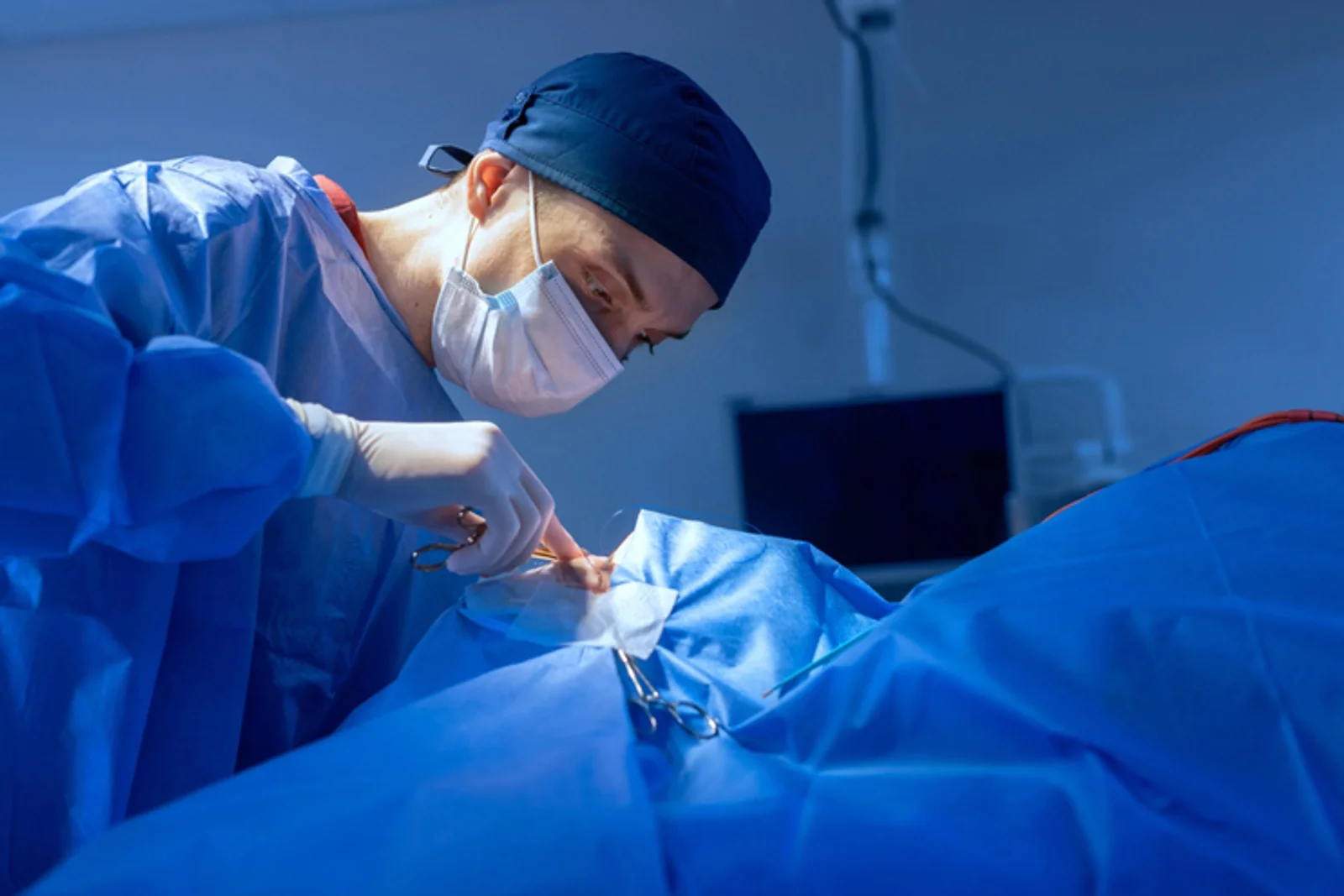
LASEK offers several advantages, particularly for patients who have conditions or concerns that might make LASIK less ideal. These benefits include:
- Less Risk of Complications: Without a flap being created, LASEK eliminates certain risks associated with LASIK, like flap dislocation, which can occur with trauma or even minor accidents.
- Suitable for a Wide Range of Patients: As mentioned, LASEK can be an option for people with thin corneas, dry eyes, or high prescriptions. It expands the pool of people who can safely undergo vision correction.
- Long-Term Vision Improvement: LASEK provides long-lasting results, with many patients achieving 20/25 vision or better after recovery. It can correct refractive errors for people in their 20s to 40s, allowing them to experience a life without glasses or contact lenses.
- No Risk of Dry Eyes from Nerve Disruption: Since LASEK doesn't involve cutting a flap, there’s less risk of long-term dry eye symptoms, which is a common side effect for LASIK patients.
What to Expect During and After LASEK
The LASEK procedure is generally well-tolerated and quick, but it does involve a recovery period that’s longer than LASIK. Here’s what you can expect:
1. Before the Surgery
Your eye doctor will conduct a thorough examination to ensure you’re a good candidate for LASEK. This involves measurements of your corneal thickness, a check for dry eyes, and an assessment of your overall eye health. It's important to discuss your medical history and lifestyle with your doctor to make sure LASEK is the best option for your needs.
2. The Procedure Itself
LASEK is performed under local anesthesia, usually in the form of eye drops. You’ll be awake during the procedure but should feel little to no discomfort. The surgeon will create a thin flap of epithelial cells and remove them, allowing the laser to reshape the cornea. After the laser treatment, the epithelial layer is repositioned.
Risks and Considerations

How to Know if LASEK Is Right for You
Conclusion
More Articles
Continue reading our ophthalmology guides and vision care insights.

SMILE vs LASIK: Recovery Benchmarks for Vision Correction Care
South Korea has solidified its position as a global epicenter for ophthalmology, with the domestic LASIK and refractive surgery market projected to reach **USD 167.37 million by 2035**, growing at a steady CAGR of 8.54%.
Learn More

Prevalence of Myopia in Korea: The Value of Dream Lens Therapy
The prevalence of myopia among young people in South Korea has reached critical levels, often described as a "myopia epidemic." According to recent data from the **Korean National Health and Nutrition Examination Survey (KNHANES)**, the prevalence of myopia...
Learn More

Multidisciplinary Care: The Future of Korean Pediatric Eye Clinics
The landscape of pediatric eye care in South Korea is shifting rapidly. With nearly **21.9% of Korean children** estimated to be affected by various visual disorders according to nationwide health screenings, the demand for specialized intervention has never...
Learn More