Comprehensive Eye Care & Vision Correction in Incheon · Multilingual International Concierge
23+ Years Clinical Experience
en-US

Ophthalmology Guide
Is It Safe to Get Cataract Surgery and Presbyopia Treatment Together?
Wondering if cataract surgery and presbyopia treatment can be done together? Learn about safety, benefits, and options for clear vision in one procedure.
Schedule a ConsultationIntroduction: When Two Common Eye Problems Arrive at Once
For many adults over 50, vision changes begin to layer one on top of another. First, small print starts to blur, menus at dimly lit restaurants become harder to read, and phones need to be held farther away. That’s presbyopia. A few years later, driving at night suddenly feels more stressful, headlights scatter into halos, and colors seem dull. That’s cataracts.
Understanding Cataracts and Presbyopia
Both cataracts and presbyopia stem from aging of the eye’s natural lens — but they affect vision in different ways.
- Cataracts: A cataract is the clouding of the eye’s lens. Imagine looking through a foggy window. Vision becomes blurred, contrast decreases, and glare increases. Cataracts progress slowly, and nearly everyone who lives long enough will develop them.
- Presbyopia: This is the gradual loss of near focusing ability, caused by the lens stiffening with age. Reading fine print, sewing, or checking a smartphone all become more difficult. Presbyopia usually begins in the early to mid-40s.
Why Patients Ask About Combining Treatments
Many patients are tired of “stacking solutions” — wearing reading glasses on top of distance glasses, then switching to driving glasses, then squinting under poor lighting. Cataract surgery, by necessity, replaces the cloudy lens with an artificial intraocular lens (IOL). The exciting part is that this IOL can be chosen to correct not just cataracts, but presbyopia as well.
Modern Intraocular Lenses (IOLs) for Presbyopia Correction

The real breakthrough in the past 15 years has been the development of advanced IOLs designed to restore a wider range of vision:
- Multifocal IOLs: Provide both near and distance focus, reducing dependence on glasses. Some patients notice halos at night, but many adapt well over time.
- Trifocal IOLs: Offer clear vision at near, intermediate, and far distances — ideal for patients who want freedom from glasses for reading, computer use, and driving.
- Extended Depth of Focus (EDOF) IOLs: Create a continuous range of focus, minimizing glare and halos, especially useful for patients who drive frequently at night.
- Monovision Strategy: Sometimes, surgeons implant one lens set for distance and the other for near, giving functional vision across ranges without multifocal optics.
Is It Safe to Combine Cataract and Presbyopia Surgery?
Yes, in properly selected patients, combining cataract surgery with presbyopia correction is considered safe and effective. Cataract surgery itself is one of the most common and successful procedures worldwide, with high safety standards. Adding presbyopia correction doesn’t increase surgical risk — it’s simply a matter of lens choice.
The Role of Technology in Combined Treatment
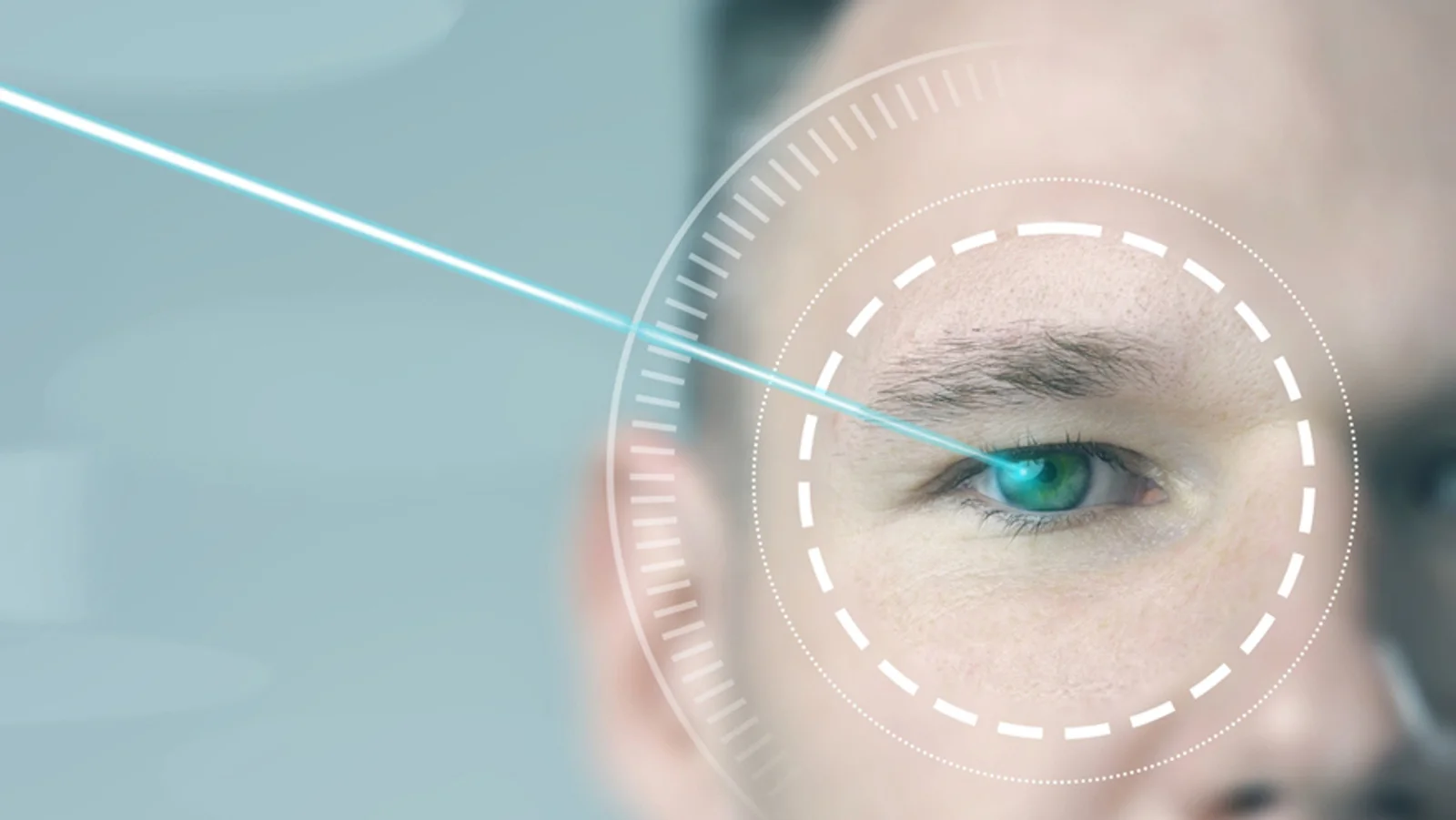
To be honest, it’s not always about just having the latest technology. Technology matters, but precision and personalization matter even more. At Global Ubal Eye Center, we use femtosecond laser technology for cataract surgery, which allows us to create clean, precise incisions and soften the cataract for easier removal. This ensures the IOL sits exactly where it should, maximizing both safety and visual outcomes.
The Importance of Timing
One thing many patients don’t realize is the role of timing. If your cataracts are still mild and presbyopia is your only concern, surgery may not be necessary yet. Alternatives like progressive glasses, contact lenses, or corneal inlays may suffice.
How We Approach This at Global Ubal Eye Center
Dr. Heecheol Bae, MD, PhD, and our surgical team have over two decades of experience guiding patients through this decision. We don’t simply ask, “Do you want to wear glasses or not?” Instead, we start by understanding a patient’s daily patterns:
- Do you spend more time reading or on the computer?
- Do you often drive long distances at night?
- Do you enjoy outdoor sports like golf or tennis?
- Do you value crisp distance vision above all, or balanced vision across ranges?
Patient Example: Seeing Life Clearly Again
FAQs: What Patients Commonly Ask
Conclusion: One Surgery, Two Solutions
More Articles
Continue reading our ophthalmology guides and vision care insights.

SMILE vs LASIK: Recovery Benchmarks for Vision Correction Care
South Korea has solidified its position as a global epicenter for ophthalmology, with the domestic LASIK and refractive surgery market projected to reach **USD 167.37 million by 2035**, growing at a steady CAGR of 8.54%.
Learn More

Prevalence of Myopia in Korea: The Value of Dream Lens Therapy
The prevalence of myopia among young people in South Korea has reached critical levels, often described as a "myopia epidemic." According to recent data from the **Korean National Health and Nutrition Examination Survey (KNHANES)**, the prevalence of myopia...
Learn More

Multidisciplinary Care: The Future of Korean Pediatric Eye Clinics
The landscape of pediatric eye care in South Korea is shifting rapidly. With nearly **21.9% of Korean children** estimated to be affected by various visual disorders according to nationwide health screenings, the demand for specialized intervention has never...
Learn More