Comprehensive Eye Care & Vision Correction in Incheon · Multilingual International Concierge
23+ Years Clinical Experience
en-US

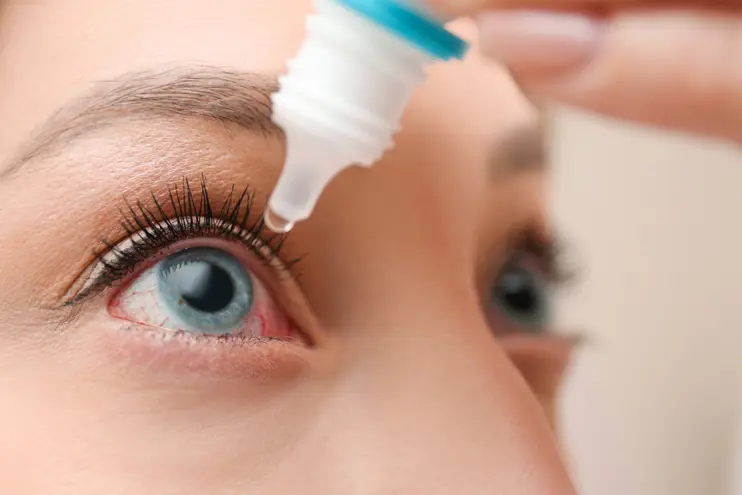
Ophthalmology Guide
Is Dry Eye Syndrome Making You Miserable? Here’s How to Find Relief
Discover effective treatments for Dry Eye Syndrome and soothe irritation fast. Learn how to relieve symptoms and restore comfort to your eyes today!
Schedule a ConsultationIntroduction
Your eyes should feel comfortable, not like they're battling the environment, your screen time, or the very air around you. And yet, more and more people—from office workers to retirees—find themselves rubbing their eyes, squinting, or dousing their face with artificial tears, hoping for relief that never lasts.
What Is Dry Eye Syndrome, Really?
Dry Eye Syndrome occurs when your eyes can’t produce enough tears, or when the tears you do make evaporate too quickly. This can be due to reduced tear production, poor tear quality, or rapid evaporation—often all three.
- Aqueous-deficient dry eye: Your lacrimal glands don’t produce enough watery tears.
- Evaporative dry eye: Often caused by dysfunction of the meibomian glands (tiny oil glands in your eyelids), this leads to fast tear evaporation.
Why Dry Eyes Are More Common Than You Think
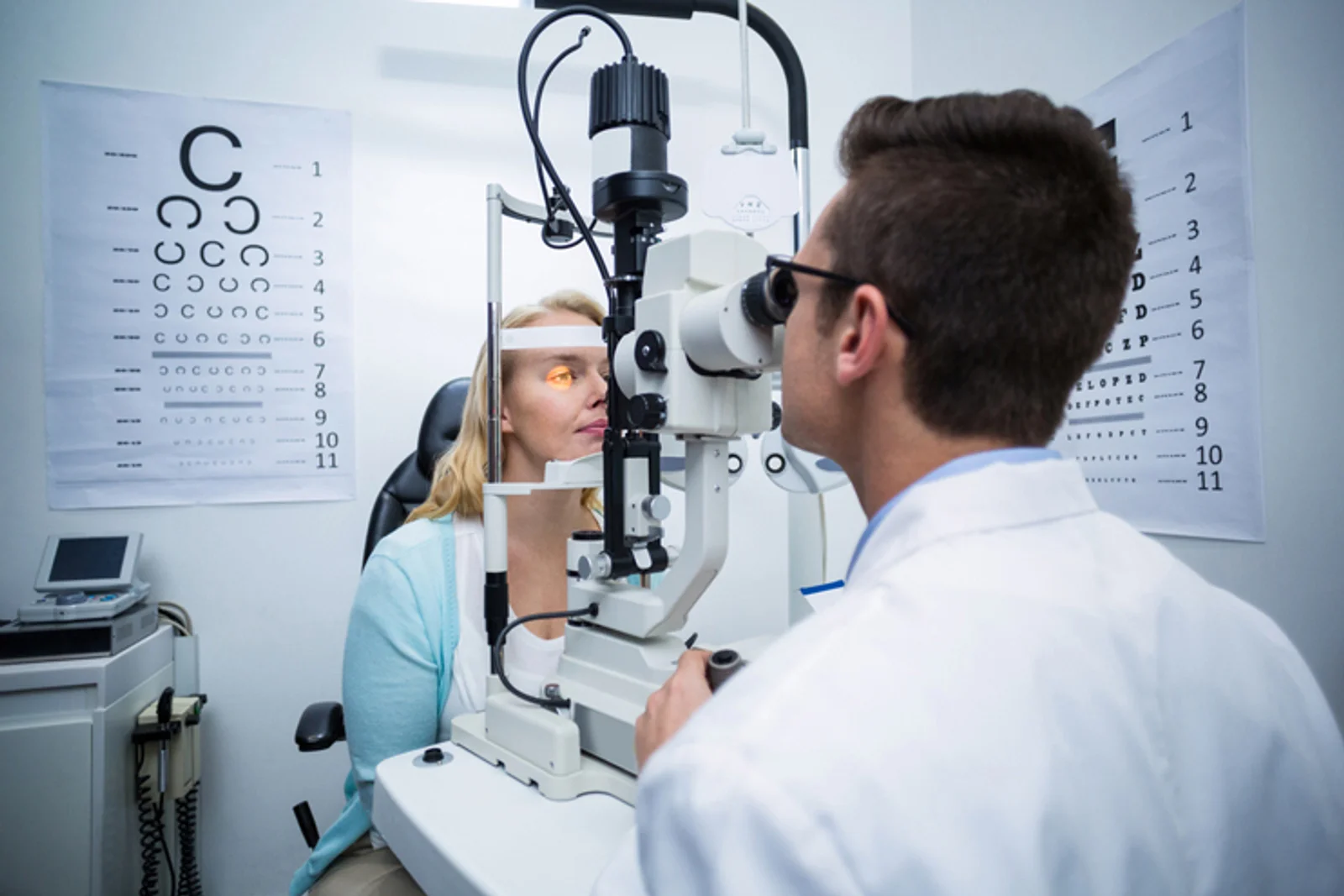
In modern life, dry eyes are practically a hidden epidemic.
Digital Eye Strain
South Korea is one of the most connected countries in the world. We work, read, and relax with screens. But staring at a phone or computer reduces your blink rate by up to 60%, which worsens tear evaporation. Blinking is essential because it spreads tears across the surface of your eyes. Less blinking means drier eyes, period.
Environmental Triggers
Air conditioning, heating, and Korea’s seasonal fine dust (pm2.5) all contribute to dry eyes. Winters in Incheon are especially brutal—dry air and wind wreak havoc on the ocular surface. People who commute daily or live in high-rise buildings with constant HVAC systems often develop chronic irritation.
Age and Hormones
Dry eye is more common as we age, especially for women after menopause. Hormonal changes alter tear production, sometimes dramatically. This is why we see many women in their 40s and 50s coming to us for the first time, surprised that what they thought was "just tired eyes" was actually a clinical condition.
Contact Lenses and Eye Makeup
Contact lenses, especially when overworn, can disrupt tear film. They act like a sponge, soaking up moisture from the eye. Makeup particles and improper eyelid hygiene can block the oil glands that keep tears stable. Koreans, particularly younger patients, are frequent users of cosmetic lenses and eyeliners that are applied near the waterline—a common cause of meibomian gland blockage.
After LASIK or Eye Surgery
It’s not unusual for patients to experience temporary dryness after procedures like LASIK or cataract surgery. At Global Ubal Eye Center, we prepare patients for this and guide them through recovery with targeted treatments. The good news is that most post-surgical dryness can be managed effectively with proper follow-up and care.
Systemic Health Conditions
Autoimmune diseases like Sjögren’s syndrome, rheumatoid arthritis, and diabetes often manifest as dry eye. Thyroid disorders and vitamin A deficiency are also underlying contributors. At our clinic, we work closely with internists and rheumatologists to co-manage these complex cases.
Finding Real Relief—What Actually Works
A common mistake we see is patients relying solely on artificial tears for years, without a proper diagnosis.
Artificial Tears
These help, but only temporarily. Many store-bought drops lack the ingredients needed to restore tear balance long-term. In fact, some drops contain preservatives that can worsen symptoms over time. Preservative-free formulas are a must for chronic sufferers.
Punctal Plugs
Tiny devices placed in your tear ducts to prevent drainage, helping retain moisture. This is a painless, reversible treatment that has helped many patients at Global Ubal maintain tear stability, especially during winter months.
Prescription Drops
Anti-inflammatory eye drops (like cyclosporine or lifitegrast) reduce inflammation and help restore normal tear production. Some patients require months of consistent use before seeing full results, which is why patient education and regular follow-up are key.
Lid Hygiene and Warm Compresses
Simple daily routines like warm compresses and eyelid massage improve meibomian gland function. We often recommend specialized eye masks or in-office eyelid cleaning systems for better results.
The Global Ubal Eye Center Approach

When to See a Specialist
Conclusion
More Articles
Continue reading our ophthalmology guides and vision care insights.

SMILE vs LASIK: Recovery Benchmarks for Vision Correction Care
South Korea has solidified its position as a global epicenter for ophthalmology, with the domestic LASIK and refractive surgery market projected to reach **USD 167.37 million by 2035**, growing at a steady CAGR of 8.54%.
Learn More

Prevalence of Myopia in Korea: The Value of Dream Lens Therapy
The prevalence of myopia among young people in South Korea has reached critical levels, often described as a "myopia epidemic." According to recent data from the **Korean National Health and Nutrition Examination Survey (KNHANES)**, the prevalence of myopia...
Learn More

Multidisciplinary Care: The Future of Korean Pediatric Eye Clinics
The landscape of pediatric eye care in South Korea is shifting rapidly. With nearly **21.9% of Korean children** estimated to be affected by various visual disorders according to nationwide health screenings, the demand for specialized intervention has never...
Learn More