Comprehensive Eye Care & Vision Correction in Incheon · Multilingual International Concierge
23+ Years Clinical Experience
en-US


Ophthalmology Guide
Implantable Collamer Lenses (ICL): A Reversible LASIK Alternative
Discover Implantable Collamer Lenses (ICL), a safe, reversible LASIK alternative for clear vision without corneal removal. Learn more about your options today!
Schedule a ConsultationIntroduction: A Clearer Vision Without Compromise
At Global Ubal Eye Center, we’ve seen how deeply vision affects people’s lives — not just the clarity of what they see, but their freedom, confidence, and everyday comfort. For many patients, the promise of LASIK is exciting, but it can come with doubts: “Is it permanent?” “What if my eyes aren’t right for it?” “Will I still feel dry or strained afterward?”
A New Vision Correction Paradigm: Reversible and Respectful of the Eye
When most people think about surgical vision correction, LASIK is typically the first thing that comes to mind. LASIK reshapes the cornea using a laser to improve how light focuses on the retina. It’s effective, and millions have benefited from it. But LASIK permanently removes corneal tissue. That matters — especially for people with:
- Thin corneas
- Dry eye symptoms
- High refractive errors
- Corneal irregularities
- Future surgical needs (like cataract surgery)
What Exactly Is an Implantable Collamer Lens?

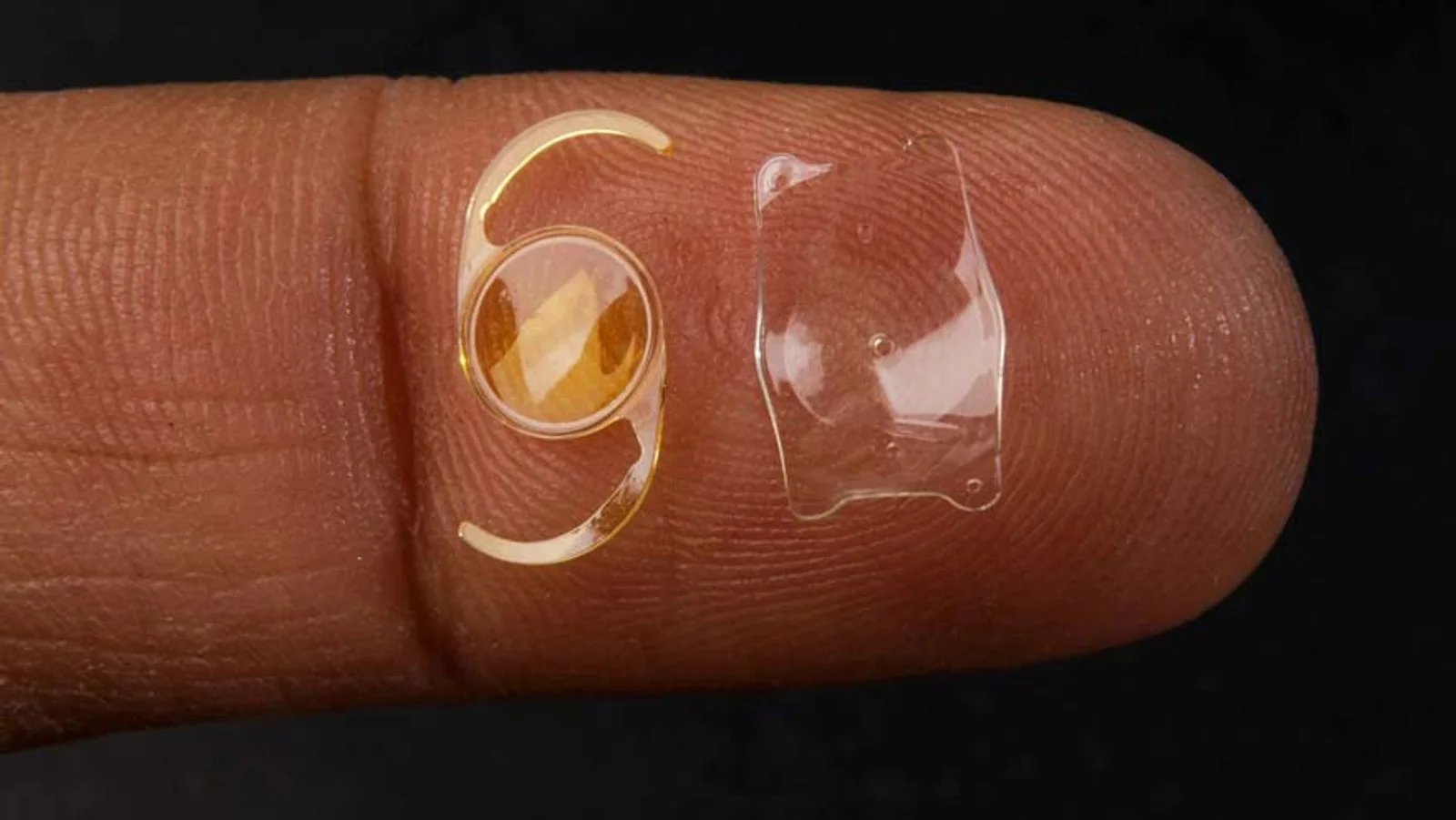
At its core, an ICL is a thin, biocompatible lens made of Collamer — a collagen‑like polymer that is gentle inside the eye. Once implanted, the ICL sits behind the iris (the colored part of your eye) and in front of your natural lens. Its job is simple yet powerful: bend incoming light so it focuses sharply on the retina.
Step by Step: What to Expect With ICL Surgery
One of the most common questions we hear is: “What will the procedure actually feel like?”
1. Pre‑operative Assessment
Before anything else, your ophthalmologist conducts a thorough eye exam. This includes:
- Corneal thickness and curvature
- Anterior chamber depth (space inside the eye)
- Intraocular pressure
- Refractive error measurements (how strong your current prescription is)
- Pupil size in various lighting
2. Personalized Lens Selection
ICL isn’t a one‑size‑fits‑all lens. Your measurements are used to precisely craft the ideal lens power and size. This customization is a key reason ICL delivers sharp, stable vision with high satisfaction.
3. The Procedure
Most ICL surgeries take 15–30 minutes per eye and are performed under local anesthesia. Sedation can also be used for comfort.
- A tiny incision is made at the edge of the cornea.
- The collapsed ICL is inserted through that incision.
- The lens gently unfolds and is placed behind the iris.
- No corneal tissue is removed.
- No flap — as with LASIK — is created.
4. Post‑Op and Visual Recovery
Right after the procedure you may notice improved vision immediately — though it can continue refining over a day or two. Mild irritation, light sensitivity, or watery eyes are common during early healing but typically resolve quickly.
- Resume light daily activities within 24–48 hours
- Return to work in a few days
- See clearly enough to drive within a day or two
Why Some People Choose ICL Over LASIK
Both LASIK and ICL aim to reduce dependency on glasses and contacts — but they do it differently. ICL is often considered under several specific circumstances:
1. Thin Corneas or Irregular Corneal Shape
LASIK relies on reshaping the cornea. If you don’t have enough tissue to work with, or if your cornea is irregular, it may not be safe. ICL avoids corneal alteration entirely.
2. High Prescription Power
People with very strong prescriptions — especially high myopia (nearsightedness) — may achieve clearer results with ICL than with laser reshaping alone.
3. Chronic Dry Eyes
Dry eye is a common side effect of corneal laser procedures because nerves in the cornea are affected. Because ICL doesn’t involve cutting into the cornea nerve network, the risk of post‑surgical dry eye is significantly lower.
4. Reversibility
If your eyes change over time or you want to explore other options later in life, the ICL can be removed or replaced. LASIK, once performed, is permanent and cannot be undone.
5. Stable Long‑Term Vision
For many patients, ICL provides exceptionally stable visual outcomes with excellent night vision and contrast sensitivity — meaning clearer vision in low light environments like night driving.
Benefits That Matter in Real Life

Realistic Considerations Before You Decide
Conclusion: ICL Isn’t Just an Option — It’s a Vision Philosophy
More Articles
Continue reading our ophthalmology guides and vision care insights.

SMILE vs LASIK: Recovery Benchmarks for Vision Correction Care
South Korea has solidified its position as a global epicenter for ophthalmology, with the domestic LASIK and refractive surgery market projected to reach **USD 167.37 million by 2035**, growing at a steady CAGR of 8.54%.
Learn More

Prevalence of Myopia in Korea: The Value of Dream Lens Therapy
The prevalence of myopia among young people in South Korea has reached critical levels, often described as a "myopia epidemic." According to recent data from the **Korean National Health and Nutrition Examination Survey (KNHANES)**, the prevalence of myopia...
Learn More

Multidisciplinary Care: The Future of Korean Pediatric Eye Clinics
The landscape of pediatric eye care in South Korea is shifting rapidly. With nearly **21.9% of Korean children** estimated to be affected by various visual disorders according to nationwide health screenings, the demand for specialized intervention has never...
Learn More