Comprehensive Eye Care & Vision Correction in Incheon · Multilingual International Concierge
23+ Years Clinical Experience
en-US

Ophthalmology Guide
How to Spot Vision Problems in Children: Early Signs & Treatment Options
Learn how to recognize early signs of vision problems in children and explore effective treatment options to ensure healthy visual development.
Schedule a ConsultationIntroduction: Why Early Vision Detection is Key to Your Child’s Success
Imagine a bright, curious child who suddenly seems frustrated with schoolwork, reluctant to engage in sports, or increasingly withdrawn. Could it be a behavioral issue, or is something more subtle at play? For many children, vision problems often go unnoticed until they begin to affect their school performance, social interactions, and overall development.
Understanding Vision Development in Children
From birth to adolescence, a child’s vision undergoes rapid changes. In their first few months, babies’ vision is quite limited—they can see only blurry shapes and light contrasts. As they grow, their ability to focus on objects, track moving items, and recognize faces gradually improves.
Common Vision Problems in Children: Symptoms and Solutions
Several vision problems are commonly diagnosed in children. Recognizing these conditions early allows parents to seek timely intervention. Here are the most common childhood vision issues:
- Refractive Errors: These include nearsightedness (myopia), farsightedness (hyperopia), and astigmatism. In myopia, children struggle to see distant objects clearly, while hyperopia makes close-up tasks like reading difficult. Astigmatism results in blurred or distorted vision. These conditions are usually corrected with glasses or contact lenses, helping children see clearly and comfortably.
- Amblyopia (Lazy Eye): This occurs when one eye has reduced vision that the brain doesn't fully recognize. Often linked to a condition like strabismus, amblyopia can lead to permanent vision loss if untreated. Treatments such as patching the stronger eye or vision therapy can help strengthen the weaker eye and improve overall visual function.
- Strabismus (Crossed Eyes): This is a misalignment of the eyes, where one eye might turn in, out, up, or down while the other focuses properly. Strabismus affects depth perception and can lead to double vision if untreated. Early treatment options include corrective lenses, eye exercises, and in some cases, surgery to realign the eyes.
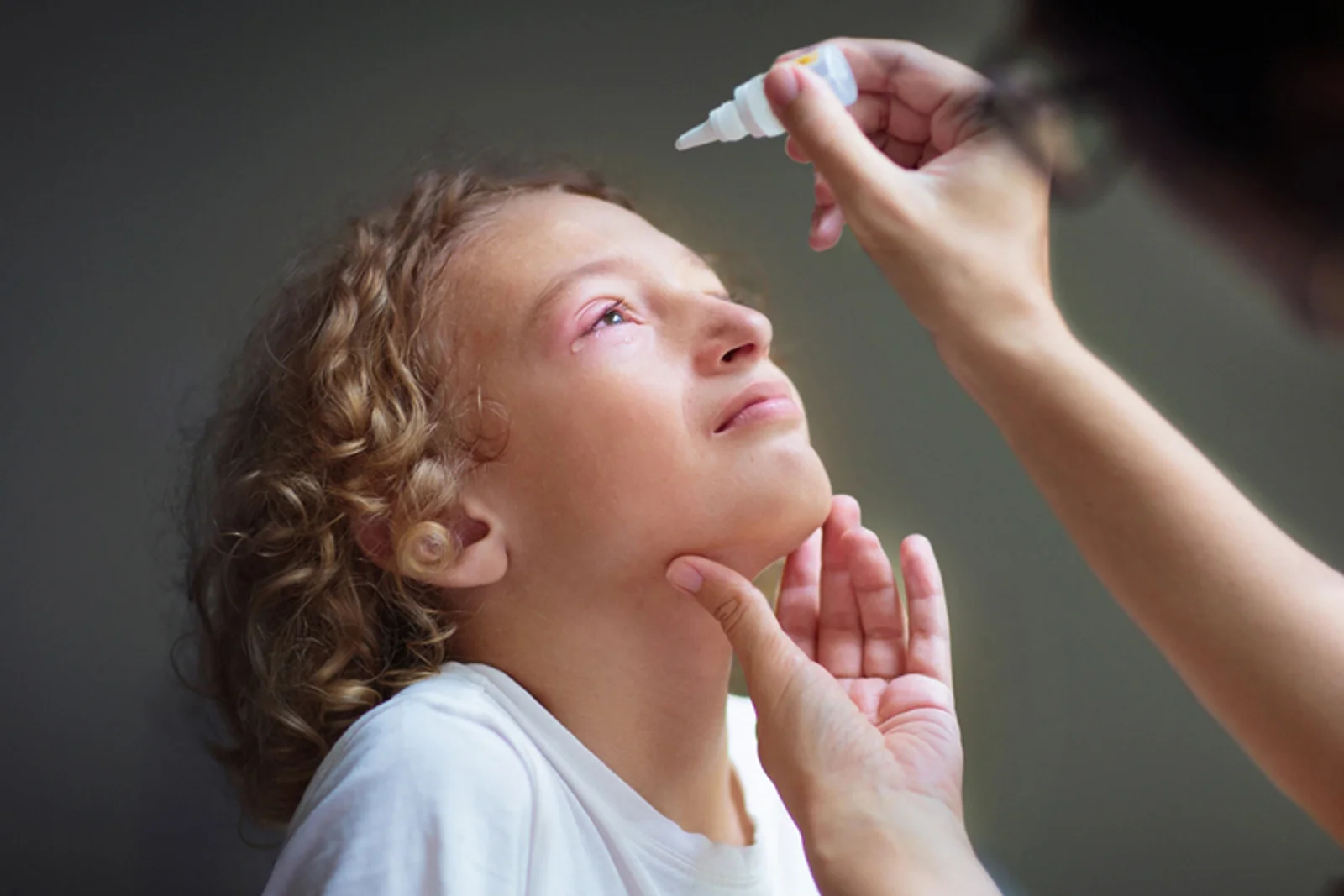
- Eye Infections and Injuries: Children are more prone to eye infections, such as conjunctivitis (pink eye), or injuries resulting from accidents. These issues can cause discomfort, pain, and affect vision, requiring prompt medical attention to avoid complications.
How to Recognize Vision Problems in Toddlers and Preschoolers: What to Look For
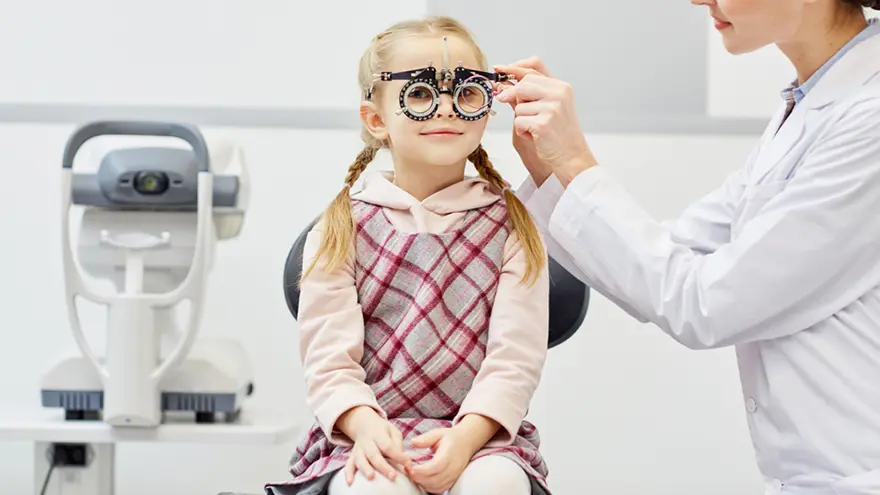
Detecting vision problems in younger children can be challenging, as they may not be able to verbalize their difficulties. Parents and caregivers need to rely on behavioral cues and physical signs to spot potential vision issues. Here are some indicators:
- Eye Contact Issues: Difficulty making eye contact or focusing on faces may indicate that a child is having trouble seeing.
- Tracking Difficulty: Children who struggle to follow moving objects, such as toys or people, may have a vision problem.
- Frequent Eye Rubbing: If your child often rubs their eyes, it may be a sign of discomfort or strain from vision issues.
- Clumsiness or Poor Coordination: Children who seem unusually clumsy, having trouble with activities like stacking blocks or catching a ball, might have trouble seeing clearly.
- Avoiding Visually Demanding Tasks: If your child shies away from activities that require good vision, such as drawing or playing with small toys, it could be a sign of undiagnosed vision problems.
When to See a Pediatric Ophthalmologist
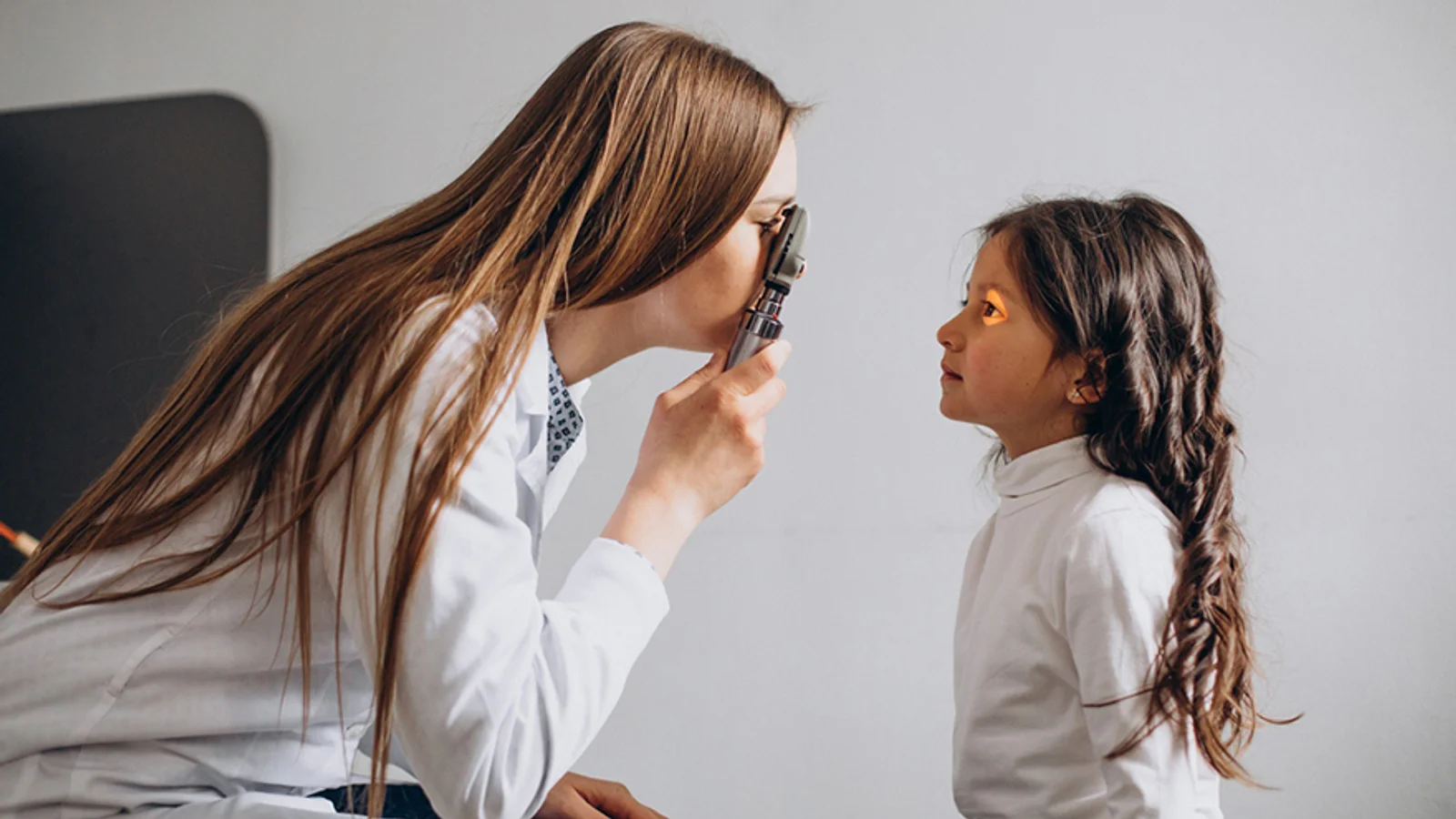
Regular eye exams are essential for maintaining healthy vision in children. The American Academy of Ophthalmology recommends that children have their first comprehensive eye exam by age 3, or sooner if there are risk factors like premature birth or a family history of eye diseases.
- Persistent eye misalignment (strabismus)
- Increased sensitivity to light
- Chronic redness, swelling, or discharge in the eyes
- Complaints of double or blurry vision
- Sudden changes in vision or eye pain
Emerging Treatments in Pediatric Vision Care: What’s on the Horizon
The field of pediatric ophthalmology is evolving with new advancements aimed at improving treatment options for children. In addition to traditional methods, several emerging therapies are offering hope for children with complex vision issues.
Conclusion: Empowering Parents to Protect Their Child’s Vision
More Articles
Continue reading our ophthalmology guides and vision care insights.

SMILE vs LASIK: Recovery Benchmarks for Vision Correction Care
South Korea has solidified its position as a global epicenter for ophthalmology, with the domestic LASIK and refractive surgery market projected to reach **USD 167.37 million by 2035**, growing at a steady CAGR of 8.54%.
Learn More

Prevalence of Myopia in Korea: The Value of Dream Lens Therapy
The prevalence of myopia among young people in South Korea has reached critical levels, often described as a "myopia epidemic." According to recent data from the **Korean National Health and Nutrition Examination Survey (KNHANES)**, the prevalence of myopia...
Learn More

Multidisciplinary Care: The Future of Korean Pediatric Eye Clinics
The landscape of pediatric eye care in South Korea is shifting rapidly. With nearly **21.9% of Korean children** estimated to be affected by various visual disorders according to nationwide health screenings, the demand for specialized intervention has never...
Learn More