Comprehensive Eye Care & Vision Correction in Incheon · Multilingual International Concierge
23+ Years Clinical Experience
en-US


Ophthalmology Guide
How to Know If Your Glasses Prescription Is Wrong
Struggling with blurry vision or headaches? Learn how to know if your glasses prescription is wrong and what steps to take for clear, comfortable sight.
Schedule a ConsultationIntroduction:
When Clear Vision Still Feels Off
Understanding What a “Wrong” Prescription Really Means
Let’s be clear: a wrong prescription doesn’t always mean there was a mistake. Sometimes it’s your eyes that have changed. Other times, the testing conditions or how you felt during the exam affected the results. And yes, in some cases, the lenses were made or centered incorrectly.
Signs Your Glasses Prescription Might Be Wrong
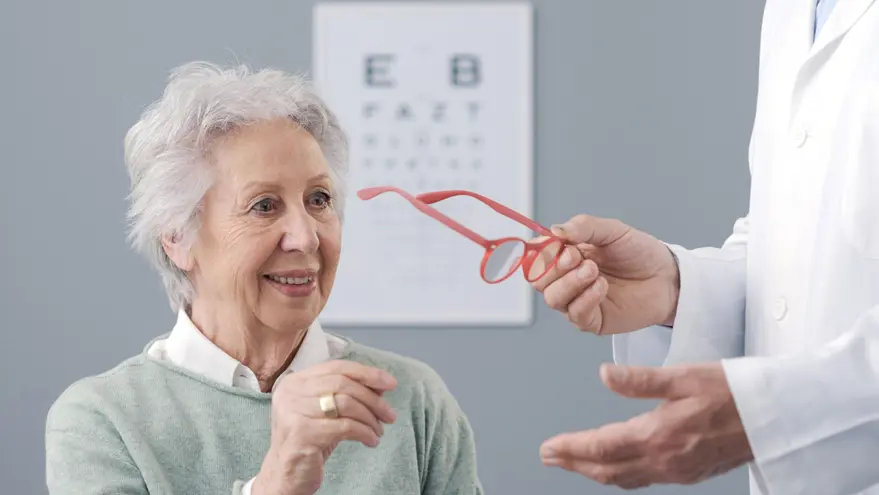
1. Persistent Headaches, Especially Behind the Eyes
It’s normal to feel a bit of eye strain in the first few days after getting new glasses, particularly if there’s been a major change. But if your headaches continue beyond a week, especially around the eyes or temples, that’s a red flag. It might mean your prescription is overcorrecting or undercorrecting your vision.
2. Blurry or Double Vision
One of the most obvious signs of an incorrect prescription is that things still look blurry — or worse, doubled. This can occur at certain distances or across your entire field of view. It’s especially problematic while reading, driving, or using digital devices.
3. Dizziness, Balance Issues, or Nausea
When your brain is forced to adapt to distorted visual information, it can lead to motion sensitivity, dizziness, or even nausea. Patients often describe it as a sense of vertigo or feeling "off-balance."
4. Eye Fatigue or Dryness
Do your eyes burn or feel tired quickly, even when doing simple tasks like checking your phone or watching TV? That may be your eyes overcompensating for a prescription that doesn’t quite match their needs.
5. Poor Performance in Specific Scenarios (Like Night Driving)
Sometimes the prescription isn’t wrong in general, but it’s not optimized for your lifestyle. If you’re struggling with night driving, dealing with halos around lights, or noticing difficulty when reading for long periods, it may be time to reassess.
What Causes a Wrong Prescription?
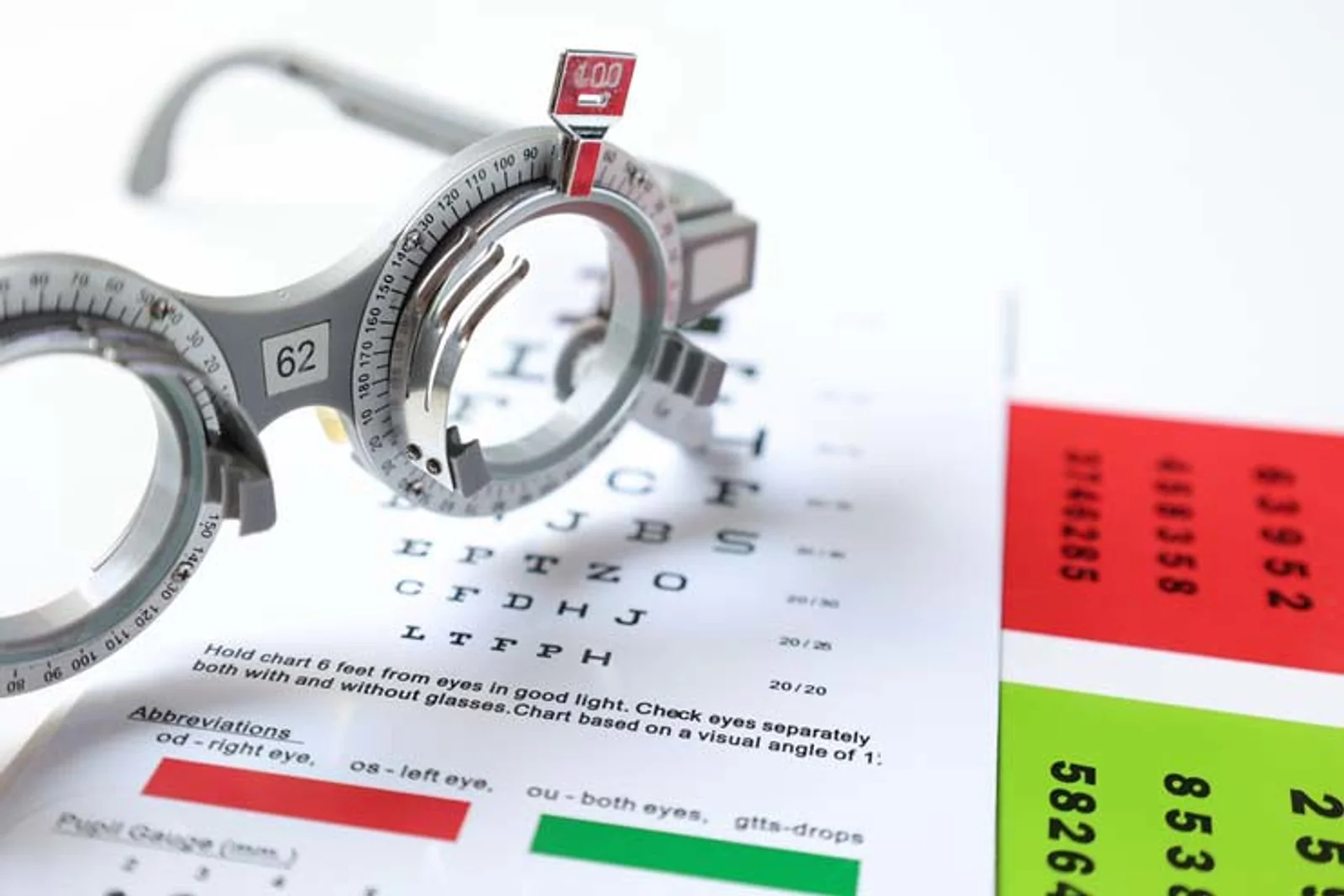
Changes in Vision (Aging, Health, and Lifestyle)
Your vision isn’t static. It changes over time. Hormonal shifts, age, fatigue, stress, and even diet or medications can influence your eyesight. People over 40 may develop presbyopia, where reading vision becomes blurry. This can make an existing prescription suddenly feel inadequate.
Human Error During Eye Exams
Believe it or not, how you answer during your eye test matters. Eye exams rely partly on subjective feedback — whether one lens looks "clearer" than another. If you were tired, rushed, or distracted, your responses might not reflect your actual visual needs.
Incorrect Lens Crafting or Poor Fit
Even if your prescription is perfect, lenses made with the wrong pupillary distance (PD), poor centration, or inappropriate frame choices can lead to distortion. Multifocal and progressive lenses are especially sensitive to these errors.
How Long Does It Take to Adjust to New Glasses?
Most patients need about 3 to 7 days to adjust to new lenses. In some cases — like switching to progressive lenses or significant prescription changes — the brain might need up to two weeks to adapt.
Why Precision Matters at Global Ubal Eye Center
To be honest, it’s not just about having the latest technology. It’s about how we use it.
Final Thoughts: Trust Your Instincts and Prioritize Comfort
If your new glasses don’t feel right — even if the numbers look correct on paper — listen to your body. Vision shouldn’t feel like work. It should be seamless, stable, and natural.
More Articles
Continue reading our ophthalmology guides and vision care insights.

SMILE vs LASIK: Recovery Benchmarks for Vision Correction Care
South Korea has solidified its position as a global epicenter for ophthalmology, with the domestic LASIK and refractive surgery market projected to reach **USD 167.37 million by 2035**, growing at a steady CAGR of 8.54%.
Learn More

Prevalence of Myopia in Korea: The Value of Dream Lens Therapy
The prevalence of myopia among young people in South Korea has reached critical levels, often described as a "myopia epidemic." According to recent data from the **Korean National Health and Nutrition Examination Survey (KNHANES)**, the prevalence of myopia...
Learn More

Multidisciplinary Care: The Future of Korean Pediatric Eye Clinics
The landscape of pediatric eye care in South Korea is shifting rapidly. With nearly **21.9% of Korean children** estimated to be affected by various visual disorders according to nationwide health screenings, the demand for specialized intervention has never...
Learn More