Comprehensive Eye Care & Vision Correction in Incheon · Multilingual International Concierge
23+ Years Clinical Experience
en-US


Ophthalmology Guide
How to Keep Your Eyes Healthy with Dry Eye Syndrome
Discover effective tips to keep your eyes healthy with dry eye syndrome. Relieve discomfort, improve vision, and protect eye health. Learn more today!
Schedule a ConsultationIntroduction
There’s a quiet frustration that many people carry with them every day: their eyes feel dry, gritty, and tired, no matter how much rest they get. Some describe it as having sand in the eye, others as a constant burning or watering. This is dry eye syndrome, and while it may sound minor, it can deeply affect how you see and live.
Understanding Dry Eye Syndrome: What It Really Means
Dry eye occurs when the eyes cannot produce enough tears, or when the tears evaporate too quickly. The tear film — a delicate balance of water, oil, and mucin — is what keeps your eyes smooth and nourished. If one layer is missing or out of balance, your vision can blur, and irritation follows.
- Stinging, burning, or scratchy sensation in the eyes
- Sensitivity to light
- Eye redness
- Blurred vision or eye fatigue
- Watery eyes (as the body tries to compensate for dryness)
Why Dry Eye Is on the Rise: The Impact of Modern Lifestyles

It’s not your imagination — dry eye is more common now than ever. And it’s not just older adults. In our clinic, we see students, young professionals, and even children showing early signs of dry eye.
1. Screen Time and Reduced Blinking
When we focus on a screen — whether it’s a smartphone, tablet, or computer — our blink rate drops by as much as 60%. Blinking is crucial because it spreads tears evenly over the surface of the eye. Without it, the tear film breaks down.
2. Air Conditioning and Indoor Climate
Climate-controlled environments strip moisture from the air. Offices, cars, and even homes can dry out your eyes faster than you realize. In South Korea, where many buildings rely on constant HVAC systems, this is a common issue.
3. Hormonal Changes and Aging
Tear production naturally declines with age. Post-menopausal women, in particular, are more prone to dry eye due to hormonal shifts that affect the meibomian glands and tear quality.
4. Medications and Underlying Health Conditions
Some medications — antihistamines, antidepressants, and even acne treatments — reduce tear production. Autoimmune diseases like Sjögren’s syndrome and rheumatoid arthritis can also contribute to severe dry eye.
5. Environmental Factors
Air pollution, allergens, and even long flights can exacerbate dry eye. Urban residents, especially those living in densely populated cities like Incheon or Seoul, may be more exposed to these irritants.
How to Keep Your Eyes Healthy with Dry Eye Syndrome
Managing dry eye is not about finding one quick fix — it’s about building a lifestyle that protects your vision and promotes consistent tear film health. Here are the strategies we recommend at Global Ubal Eye Center.
1. Use Artificial Tears Wisely
Lubricating drops are often the first line of defense. But not all eye drops are the same. We generally recommend preservative-free artificial tears for long-term use, as preservatives can irritate the eyes over time. Use them consistently, not just when symptoms flare.
2. Incorporate Warm Compresses and Eyelid Hygiene
Many cases of dry eye stem from blocked meibomian glands, which produce the oil in your tears. Applying a warm compress daily and gently cleaning the eyelid margins can help keep the glands functioning properly. Think of it like dental hygiene, but for your eyes.
3. Blink More, Especially at Screens
If you work on a screen all day, try the 20-20-20 rule: every 20 minutes, look 20 feet away for 20 seconds. Also, make a conscious effort to blink fully, not just partially.
4. Adjust Your Environment
Humidifiers can make a big difference, especially in winter. Avoid sitting directly under air vents, and wear wraparound sunglasses outdoors to reduce tear evaporation from wind and sun exposure.
5. Improve Your Diet
Hydration is essential. But so are omega-3 fatty acids, which improve the quality of the oil layer in tears. Foods like salmon, walnuts, and flaxseed oil are helpful additions.
6. Consider Punctal Plugs or Prescription Treatments
If basic measures aren’t enough, we may recommend:
- Punctal plugs to block tear drainage and retain moisture
- Prescription eye drops like cyclosporine (Restasis) or lifitegrast (Xiidra)
- Autologous serum eye drops derived from your own blood, in severe cases
Why Expert Diagnosis Matters: Every Dry Eye Case Is Different
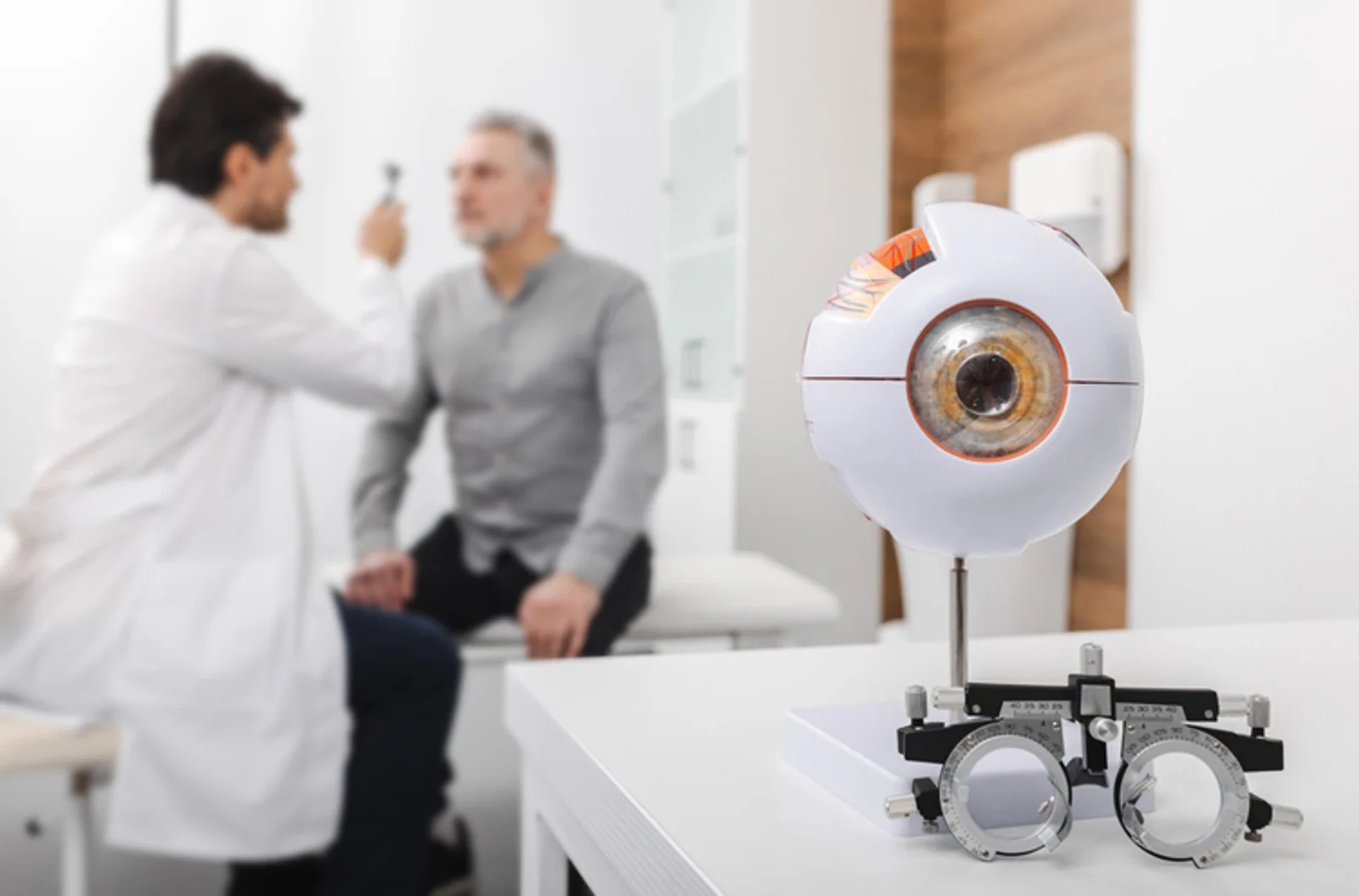
Our Approach at Global Ubal Eye Center
Living with Dry Eye: Reclaiming Clarity and Comfort
Conclusion: Empowering Your Vision Journey
More Articles
Continue reading our ophthalmology guides and vision care insights.

SMILE vs LASIK: Recovery Benchmarks for Vision Correction Care
South Korea has solidified its position as a global epicenter for ophthalmology, with the domestic LASIK and refractive surgery market projected to reach **USD 167.37 million by 2035**, growing at a steady CAGR of 8.54%.
Learn More

Prevalence of Myopia in Korea: The Value of Dream Lens Therapy
The prevalence of myopia among young people in South Korea has reached critical levels, often described as a "myopia epidemic." According to recent data from the **Korean National Health and Nutrition Examination Survey (KNHANES)**, the prevalence of myopia...
Learn More

Multidisciplinary Care: The Future of Korean Pediatric Eye Clinics
The landscape of pediatric eye care in South Korea is shifting rapidly. With nearly **21.9% of Korean children** estimated to be affected by various visual disorders according to nationwide health screenings, the demand for specialized intervention has never...
Learn More