Comprehensive Eye Care & Vision Correction in Incheon · Multilingual International Concierge
23+ Years Clinical Experience
en-US

Ophthalmology Guide
How Presbyopia Treatment Enhances Your Quality of Life
Discover how presbyopia treatment restores clear near vision, boosts daily comfort, and enhances independence. Explore your options—book a consultation today!
Schedule a ConsultationIntroduction: The Silent Frustration of Aging Eyes
Imagine sitting in your favorite cafe in Incheon, holding a menu, and realizing the text is harder to read than it was a year ago. You instinctively stretch your arm farther away, squint a little harder, or ask a friend to read it for you. For many adults in their 40s and beyond, this is the first subtle sign of presbyopia — an age-related change in vision that makes near tasks increasingly difficult.
What is Presbyopia — Really?
Presbyopia is the gradual loss of the eye’s ability to focus on nearby objects. It happens because the natural lens inside your eye becomes less flexible with age. Unlike nearsightedness or farsightedness (which are related to the shape of the eye), presbyopia is an age‑related change in lens elasticity.
Why Presbyopia Matters Beyond Blurry Near Vision
Daily Tasks Become Effortful
Struggling with close vision isn’t just “inconvenient.” It increases cognitive load throughout the day:
- Reading labels, text messages, or instructions becomes a small but constant strain.
- Looking between computer screens and paperwork can trigger fatigue.
- Craft work, hobbies, and intimate tasks like sewing or cooking may cause eye discomfort.
Eye Strain Affects Comfort and Mood
Often patients report:
- Headaches
- Burning or sore eyes
- Difficulty concentrating
- Light sensitivity or blurry vision after long screen sessions
Independence and Self‑Confidence Are Subtle but Powerful
There’s a psychological piece here. Reaching for glasses and struggling with near vision can feel like losing autonomy — especially for people who have always taken clear vision for granted. After treatment, many patients say things like:
Common Presbyopia Treatments — What Works
There isn’t a one‑size‑fits‑all solution. What matters most is tailoring treatment to your lifestyle, visual demands, and long‑term eye health. At every step, we want you to feel informed, comfortable, and supported in your decision.
Reading Glasses
The simplest, most traditional solution.
They work well for many people, especially those who only need near vision for short tasks. But they:
- Don’t help intermediate or distance vision.
- Can feel cumbersome if you’re constantly switching between near and far tasks.
- Don’t address the underlying change in the lens.
Multifocal or Progressive Lenses
These glasses offer near, intermediate, and distance zones in one lens. They can work very well — but adaptation varies. Some patients love them; others find them disorienting, especially with fast head movements or certain lighting. But when properly fitted and adjusted, progressive lenses can feel like regaining a natural range of vision.
Contact Lens Options
There are multifocal contact lenses and monovision strategies (dominant eye for distance, non‑dominant for near). These can feel very natural for active lifestyles — reading, sports, and more. But they require:
- Careful fitting
- Patient participation in adaptation
Surgical and Laser‑Assisted Options
In select cases, surgical intervention can reduce or eliminate the need for glasses altogether:
- Presbyopia‑correcting intraocular lenses (IOLs) Replacing the natural lens with a lens that supports multiple focal points.
- LASIK or similar procedures tailored for presbyopia Carefully designed to balance near and distance needs.
How Treatment Enhances Quality of Life
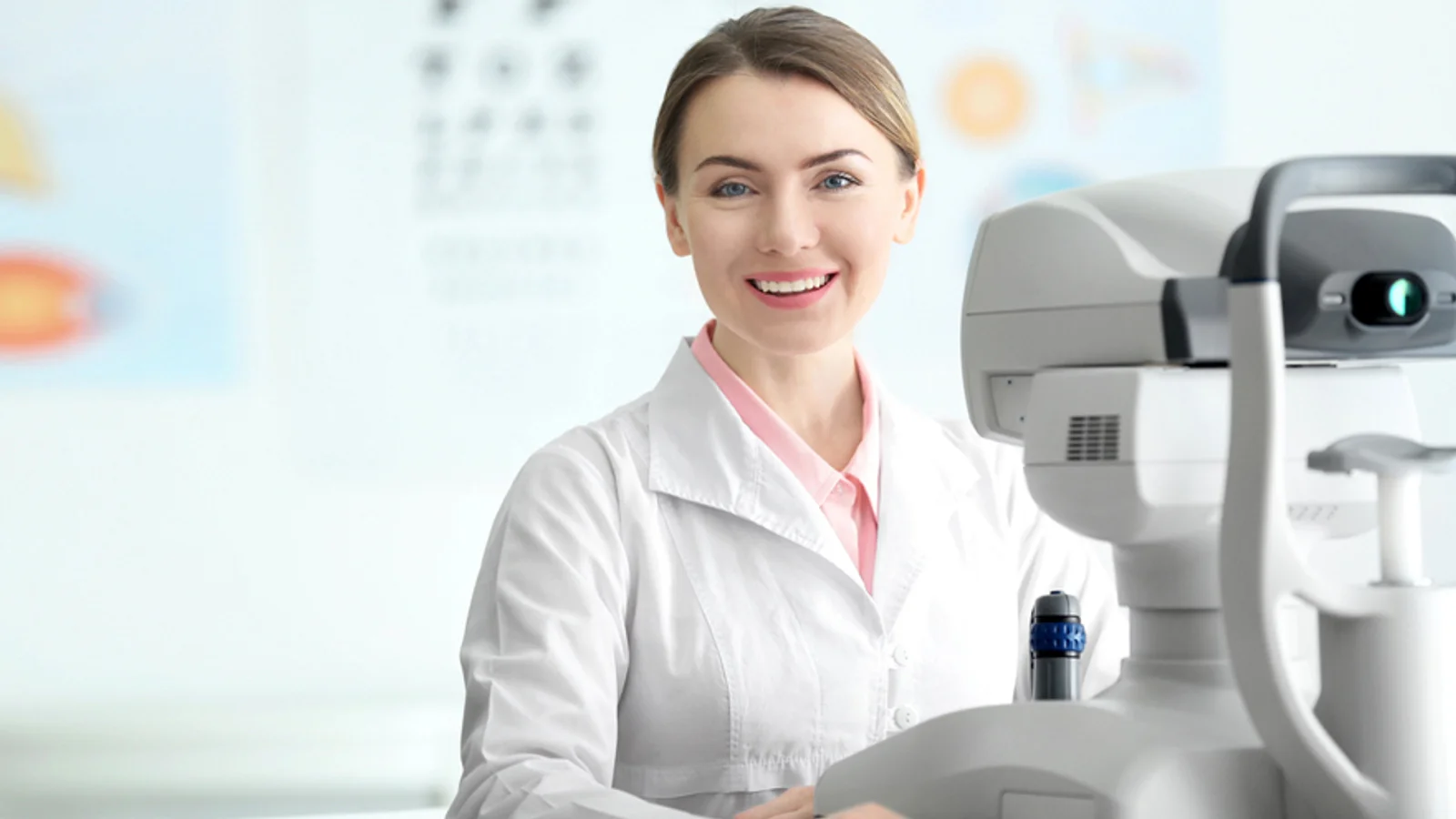
To be honest, it’s not always about just having the latest technology. What people truly feel is the freedom to engage with their world without interruption.
Effortless Near Vision Reduces Stress
When near vision is corrected:
- Reading becomes immediate and effortless
- The eye no longer compensates all day
- Tasks that were once mentally fatiguing become easy
Work and Hobbies Become More Enjoyable
Whether your work involves:
- Computer screens
- Documents
- Close detail work
Driving and Outdoor Activities Are Safer
Presbyopia and Eye Health — What to Watch For
Final Thoughts: Seeing Clearly, Living Fully
More Articles
Continue reading our ophthalmology guides and vision care insights.

SMILE vs LASIK: Recovery Benchmarks for Vision Correction Care
South Korea has solidified its position as a global epicenter for ophthalmology, with the domestic LASIK and refractive surgery market projected to reach **USD 167.37 million by 2035**, growing at a steady CAGR of 8.54%.
Learn More

Prevalence of Myopia in Korea: The Value of Dream Lens Therapy
The prevalence of myopia among young people in South Korea has reached critical levels, often described as a "myopia epidemic." According to recent data from the **Korean National Health and Nutrition Examination Survey (KNHANES)**, the prevalence of myopia...
Learn More

Multidisciplinary Care: The Future of Korean Pediatric Eye Clinics
The landscape of pediatric eye care in South Korea is shifting rapidly. With nearly **21.9% of Korean children** estimated to be affected by various visual disorders according to nationwide health screenings, the demand for specialized intervention has never...
Learn More