Comprehensive Eye Care & Vision Correction in Incheon · Multilingual International Concierge
23+ Years Clinical Experience
en-US

Ophthalmology Guide
How Premium Cataract Lenses Provide Better Vision in Low-Light
Discover how premium cataract lenses enhance clarity and contrast in dim conditions, reducing glare and improving night vision. Learn more today!
Schedule a ConsultationIntroduction: When the World Gets Dimmer
It often begins subtly. A streetlight seems to shimmer with a faint halo. The road signs that once stood crisp and clear now blur at the edges. Reading under a bedside lamp feels like a strain, even though the light hasn’t changed. For millions of people, these early hints of cataract development mark the beginning of a slow transformation in how the world is seen — particularly in dim or low-light conditions.
The Science Behind Low-Light Vision
Human vision is deeply dependent on how light enters and is focused within the eye. During the day, the abundance of light makes visual tasks easy; but at night, when the pupils dilate and light levels fall, the eye’s ability to distinguish contrast becomes crucial. The clouding caused by cataracts scatters incoming light, making it difficult to form a clear image.
What Makes a Lens “Premium”?
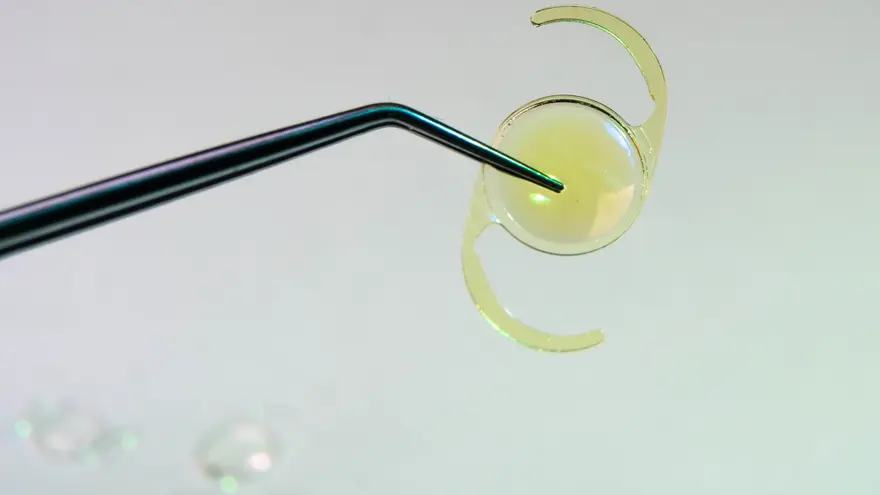
Not all lenses are created equal. The term “premium” refers to lenses that incorporate advanced optics and customized design features, far beyond what standard lenses provide. The main categories include:
- Multifocal IOLs – designed to provide focus at multiple distances, allowing clear vision for near, intermediate, and far without glasses.
- Extended Depth of Focus (EDOF) lenses – engineered to stretch the range of vision, reducing visual disturbances such as halos and glare while maintaining crisp vision across varying distances.
- Toric lenses – used for patients with astigmatism, providing sharper focus and reducing distortion caused by irregular corneal shape.
The Importance of Low-Light Vision in Everyday Life

Many people underestimate just how important low-light vision is until it starts to fade. Vision isn’t just about sharpness — it’s about confidence. Being able to drive at dusk without worrying about glare, recognizing faces in softly lit settings, or reading comfortably by lamplight can dramatically affect one’s quality of life.
Real-World Impact: Night Driving, Indoor Lighting, and Beyond
Consider a patient driving home after sunset. Oncoming headlights scatter into starbursts, and road markings blur under the glare. For many post-surgery patients with standard monofocal lenses, this is a persistent issue. Premium lenses, especially EDOF or aspheric types, dramatically reduce these distortions.
Precision and Technology: The Foundation of Visual Success
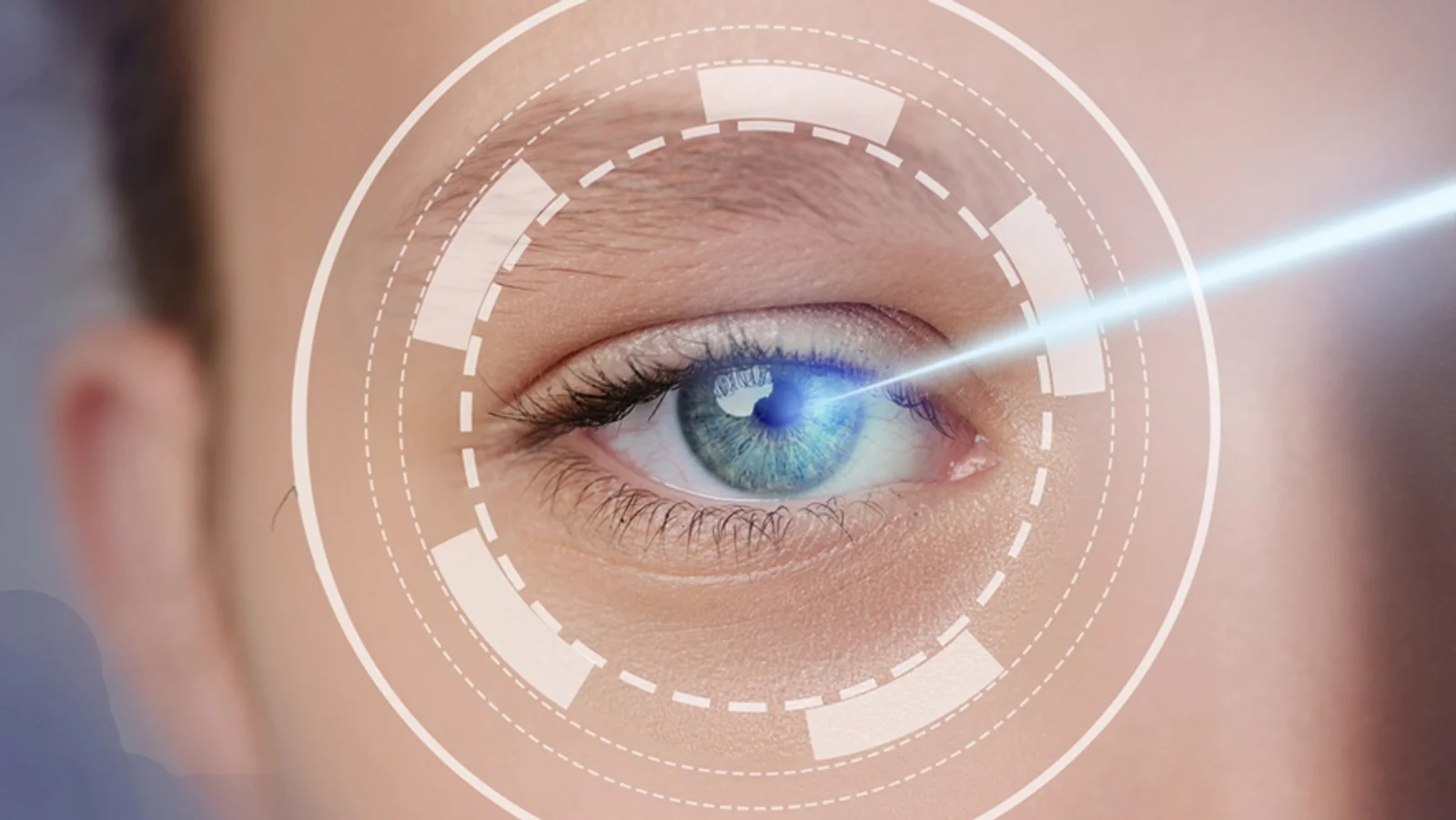
Even the most advanced lens cannot perform perfectly without precise surgical technique. At Global Ubal Eye Center, Dr. Heecheol Bae and his surgical team employ femtosecond laser-assisted cataract surgery, which enables a level of accuracy that traditional methods simply cannot match. The laser creates micro-precise incisions and lens fragmentation patterns, ensuring ideal lens positioning within the eye.
Personalized Care: Matching the Lens to the Lifestyle
Choosing the right premium lens is as much about lifestyle as it is about medical data. A retired teacher who enjoys reading may prefer a multifocal or EDOF design, while an avid golfer or frequent night driver may benefit from a lens that prioritizes distance clarity and contrast.
The Future of Low-Light Vision: Innovation on the Horizon
Optical technology continues to evolve rapidly. The newest generation of IOLs now includes light-adjustable lenses (LALs) that can be fine-tuned after surgery for perfect focus, and adaptive lenses that adjust dynamically to changing lighting conditions. Some research is exploring neuroadaptive optics — lenses that communicate with the visual cortex to optimize focus in real time.
Conclusion: Seeing the World with Confidence Again
When patients at Global Ubal Eye Center tell us they can drive at night again, or that the city lights of Incheon sparkle instead of blur, we’re reminded why the choice of lens matters so much. Premium cataract lenses offer not just clarity but confidence — the freedom to engage with the world comfortably, at any hour.
More Articles
Continue reading our ophthalmology guides and vision care insights.

SMILE vs LASIK: Recovery Benchmarks for Vision Correction Care
South Korea has solidified its position as a global epicenter for ophthalmology, with the domestic LASIK and refractive surgery market projected to reach **USD 167.37 million by 2035**, growing at a steady CAGR of 8.54%.
Learn More

Prevalence of Myopia in Korea: The Value of Dream Lens Therapy
The prevalence of myopia among young people in South Korea has reached critical levels, often described as a "myopia epidemic." According to recent data from the **Korean National Health and Nutrition Examination Survey (KNHANES)**, the prevalence of myopia...
Learn More

Multidisciplinary Care: The Future of Korean Pediatric Eye Clinics
The landscape of pediatric eye care in South Korea is shifting rapidly. With nearly **21.9% of Korean children** estimated to be affected by various visual disorders according to nationwide health screenings, the demand for specialized intervention has never...
Learn More