Comprehensive Eye Care & Vision Correction in Incheon · Multilingual International Concierge
23+ Years Clinical Experience
en-US


Ophthalmology Guide
How Premium Cataract Lenses Eliminate the Need for Glasses
Discover how premium cataract lenses eliminate the need for glasses, offering clear vision and enhanced quality of life. Learn more about this life-changing solution today!
Schedule a ConsultationIntroduction
Cataracts, a common age-related condition where the eye's natural lens becomes cloudy, can significantly impair vision, affecting daily activities like reading, driving, and even recognizing faces. While cataract surgery has long been a reliable way to restore clear vision, advancements in technology have introduced a new frontier in cataract treatment: premium cataract lenses.
What Are Premium Cataract Lenses?
Cataracts are a natural part of the aging process, gradually clouding the lens of the eye and leading to blurry vision. While cataract surgery is a highly effective way to restore vision, the type of lens implanted during the procedure can significantly affect the quality of the outcome.
The Basics: What Are Intraocular Lenses (IOLs)?
Before we dive into premium cataract lenses, it's important to understand that cataract surgery involves replacing the eye's natural, clouded lens with an artificial one known as an intraocular lens (IOL). This lens is inserted into the eye after the cataract is removed.
Types of Premium Cataract Lenses
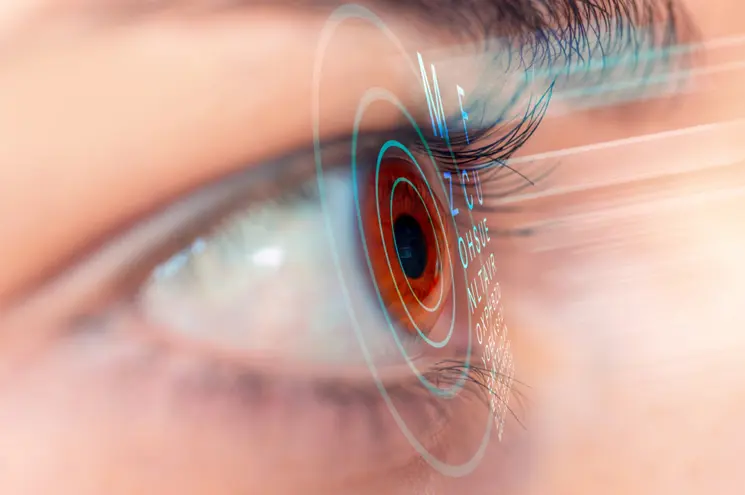
Premium cataract lenses come in several varieties, each designed to address specific vision needs. Here’s a breakdown of the most popular options:
1. Multifocal IOLs
Multifocal lenses are designed with multiple focusing zones, allowing the eye to focus at different distances. The central portion of the lens is typically dedicated to near vision, while the outer parts handle distant vision. This design means that patients can see well at close range (for activities like reading) as well as at a distance (for tasks like driving or watching TV) without the need for glasses.
2. Accommodative IOLs
Unlike multifocal lenses, accommodative IOLs work by mimicking the eye’s natural ability to focus at various distances. These lenses are flexible and move slightly inside the eye in response to the eye’s natural focusing mechanisms. When you look at something close up, the lens shifts to provide better near vision; when you look at something far away, the lens shifts back to provide clearer distant vision.
3. Toric IOLs
For patients who suffer from astigmatism, a condition where the cornea is irregularly shaped and causes blurry vision, toric IOLs are an ideal choice. These lenses are specially designed to correct astigmatism by compensating for the irregular curvature of the cornea.
4. Extended Depth of Focus (EDOF) Lenses
EDOF lenses are another category of premium IOLs that provide a continuous range of vision, with a special focus on intermediate distances (such as using a computer or navigating daily tasks). They work by enhancing the depth of focus in the eye, providing clear vision at a wider range of distances without the distinct, multiple focal points of multifocal lenses.
How Do Premium Cataract Lenses Work?
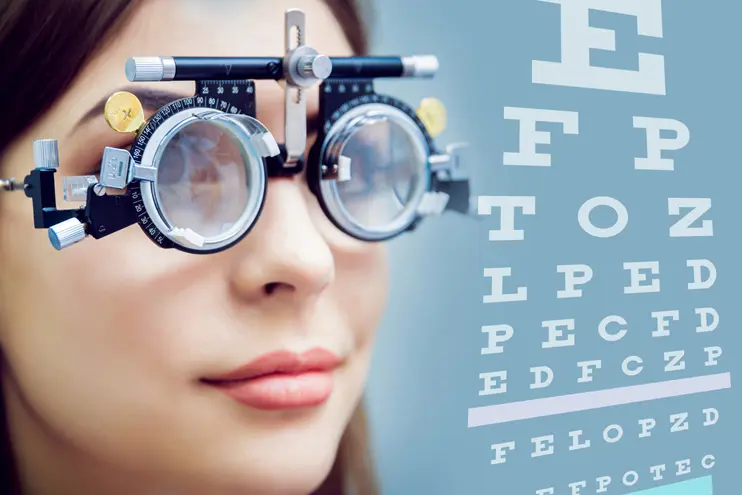
Traditional cataract surgery involves removing the clouded natural lens and replacing it with a clear monofocal IOL that can only focus light at one distance. This means that after surgery, patients often still need glasses for activities such as reading, driving, or using a computer.
- Multifocal Lenses: These lenses have multiple zones that allow light to focus at varying distances. For example, the center may focus on near vision, while the outer areas provide focus for distance vision. This reduces the need for glasses after surgery.
- Accommodative Lenses: These lenses are more flexible than traditional ones. They adjust to the eye’s natural movements, allowing for clearer vision at different distances, especially for close-up activities like reading or using a smartphone.
- Toric Lenses: For patients with astigmatism, toric lenses can correct the curvature of the cornea, leading to clearer vision without glasses. Patients who previously wore glasses to correct their astigmatism can benefit significantly from these lenses.
The Benefits: Say Goodbye to Glasses
One of the most significant advantages of premium cataract lenses is that they can potentially eliminate the need for glasses. Whether for reading, driving, or watching television, the right premium lens can free you from the dependence on corrective eyewear. Here’s why:
Is Everyone a Candidate for Premium Cataract Lenses?
What to Expect After Cataract Surgery with Premium Lenses
The Bottom Line: The Future of Cataract Surgery
Conclusion
More Articles
Continue reading our ophthalmology guides and vision care insights.

SMILE vs LASIK: Recovery Benchmarks for Vision Correction Care
South Korea has solidified its position as a global epicenter for ophthalmology, with the domestic LASIK and refractive surgery market projected to reach **USD 167.37 million by 2035**, growing at a steady CAGR of 8.54%.
Learn More

Prevalence of Myopia in Korea: The Value of Dream Lens Therapy
The prevalence of myopia among young people in South Korea has reached critical levels, often described as a "myopia epidemic." According to recent data from the **Korean National Health and Nutrition Examination Survey (KNHANES)**, the prevalence of myopia...
Learn More

Multidisciplinary Care: The Future of Korean Pediatric Eye Clinics
The landscape of pediatric eye care in South Korea is shifting rapidly. With nearly **21.9% of Korean children** estimated to be affected by various visual disorders according to nationwide health screenings, the demand for specialized intervention has never...
Learn More