Comprehensive Eye Care & Vision Correction in Incheon · Multilingual International Concierge
23+ Years Clinical Experience
en-US

Ophthalmology Guide
How Pediatric Eye Exams Prevent Future Vision Problems
Discover how pediatric eye exams detect issues early, protect vision, and prevent future problems. Learn why regular checkups are vital for kids’ eye health.
Schedule a ConsultationIntroduction: Why Your Child’s Eyesight Deserves More Attention
Every parent wants the best for their child — from a good education to a healthy diet. But one aspect of childhood health often slips under the radar: vision. Unlike a fever or a scraped knee, eye problems don’t always make themselves obvious.
The Critical Years of Visual Development
Children’s eyes aren’t just smaller versions of adult eyes. They’re still developing — and this development continues well into the teenage years. Vision is a partnership between the eyes and the brain, and during childhood, that partnership is still being formed.
Why School Screenings Are Not Enough
Many parents assume that school vision screenings are sufficient. After all, if their child can read the letters on a classroom chart, everything must be fine — right?
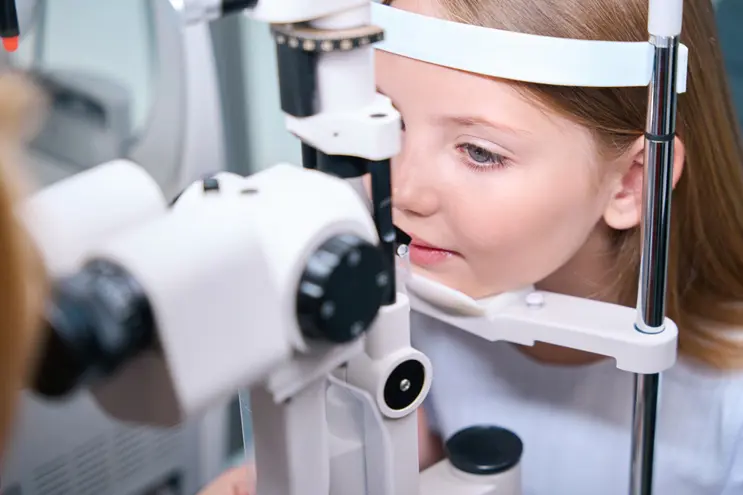
- Visual acuity at multiple distances
- Refraction testing to detect nearsightedness, farsightedness, and astigmatism
- Eye alignment to rule out strabismus (crossed eyes)
- Depth perception and binocular vision to ensure eyes are working together
- Internal eye health including retina and optic nerve evaluation
Common Childhood Vision Problems and Their Long-Term Risks
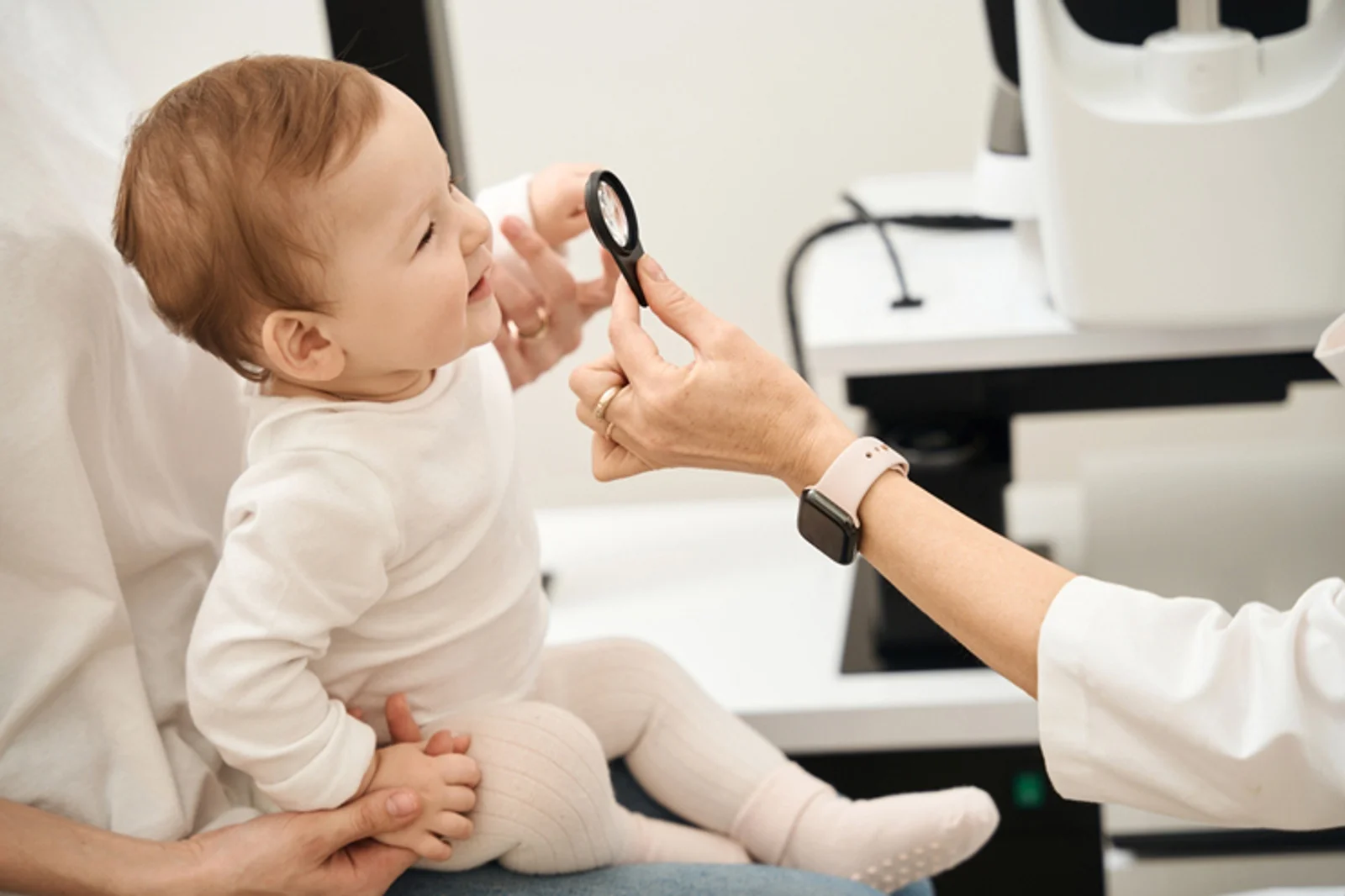
Pediatric eye exams are not just about finding out whether a child needs glasses. They play a crucial role in preventing serious long-term consequences. Here are some common conditions that exams help detect:
Amblyopia (Lazy Eye)
When one eye has weaker vision, the brain favors the stronger eye. Without treatment, the weaker eye may never recover. Early intervention with glasses, patching, or therapy can restore balance, but delayed treatment often leads to permanent impairment.
Strabismus (Eye Misalignment)
Crossed or wandering eyes can cause double vision and loss of depth perception. Strabismus may also affect self-esteem if it becomes noticeable to peers. Treatments range from glasses and exercises to surgery in more severe cases.
Refractive Errors
- Myopia (Nearsightedness): Increasingly common in East Asia due to high rates of screen use and limited outdoor activity. Untreated myopia not only affects school performance but also raises the risk of retinal detachment and glaucoma later in life.
- Hyperopia (Farsightedness): Can cause reading difficulties and headaches.
- Astigmatism: Causes blurred vision at all distances and may lead to amblyopia if severe.
Pediatric Eye Diseases
Although rare, conditions like congenital cataracts and pediatric glaucoma require urgent treatment to preserve vision. Regular exams increase the chance of catching these before damage occurs.
The Role of Parents: What to Watch For
Children often cannot articulate vision problems, so parents play a vital role in detection. Signs that may indicate trouble include:
- Squinting or tilting the head while focusing
- Sitting very close to screens or holding books near the face
- Frequent eye rubbing or headaches
- Difficulty following objects or poor hand-eye coordination
- Avoiding activities like reading or sports
A Clinic’s Perspective: Real Stories from Patients

Over the years, we’ve seen how transformative early eye care can be.
Beyond Glasses: Modern Pediatric Eye Care
Parents often assume that if their child needs help, glasses will be the solution. But pediatric ophthalmology today goes far beyond prescription lenses.
- Vision therapy can help train the brain and eyes to work together more effectively.
- Contact lenses, including specialty lenses, may be an option for older children or teenagers.
- Myopia control treatments, such as orthokeratology (Dream Lens) or low-dose atropine drops, can slow the progression of nearsightedness — something especially important in Korea and across East Asia, where myopia is reaching epidemic levels.
- Surgical options, though less common in children, may be necessary for certain conditions like severe strabismus or congenital cataracts.
The Bigger Picture: Vision and Quality of Life
Conclusion: Protecting Their Future Starts Today
More Articles
Continue reading our ophthalmology guides and vision care insights.

SMILE vs LASIK: Recovery Benchmarks for Vision Correction Care
South Korea has solidified its position as a global epicenter for ophthalmology, with the domestic LASIK and refractive surgery market projected to reach **USD 167.37 million by 2035**, growing at a steady CAGR of 8.54%.
Learn More

Prevalence of Myopia in Korea: The Value of Dream Lens Therapy
The prevalence of myopia among young people in South Korea has reached critical levels, often described as a "myopia epidemic." According to recent data from the **Korean National Health and Nutrition Examination Survey (KNHANES)**, the prevalence of myopia...
Learn More

Multidisciplinary Care: The Future of Korean Pediatric Eye Clinics
The landscape of pediatric eye care in South Korea is shifting rapidly. With nearly **21.9% of Korean children** estimated to be affected by various visual disorders according to nationwide health screenings, the demand for specialized intervention has never...
Learn More