Comprehensive Eye Care & Vision Correction in Incheon · Multilingual International Concierge
23+ Years Clinical Experience
en-US

Ophthalmology Guide
How Multifocal Lens Implants Correct Vision at Multiple Distances
Discover how multifocal lens implants improve vision at near, intermediate, and far distances after cataract surgery. Explore your options—learn more today!
Schedule a ConsultationIntroduction
Imagine being able to read the fine print on a medication label, glance up to check the time across the room, then look out the window at the skyline—all without changing glasses. For many people, especially those approaching or beyond middle age, this might sound like a dream. But with modern multifocal intraocular lens (IOL) implants, that dream is becoming a reality.
What Are Multifocal Lens Implants?
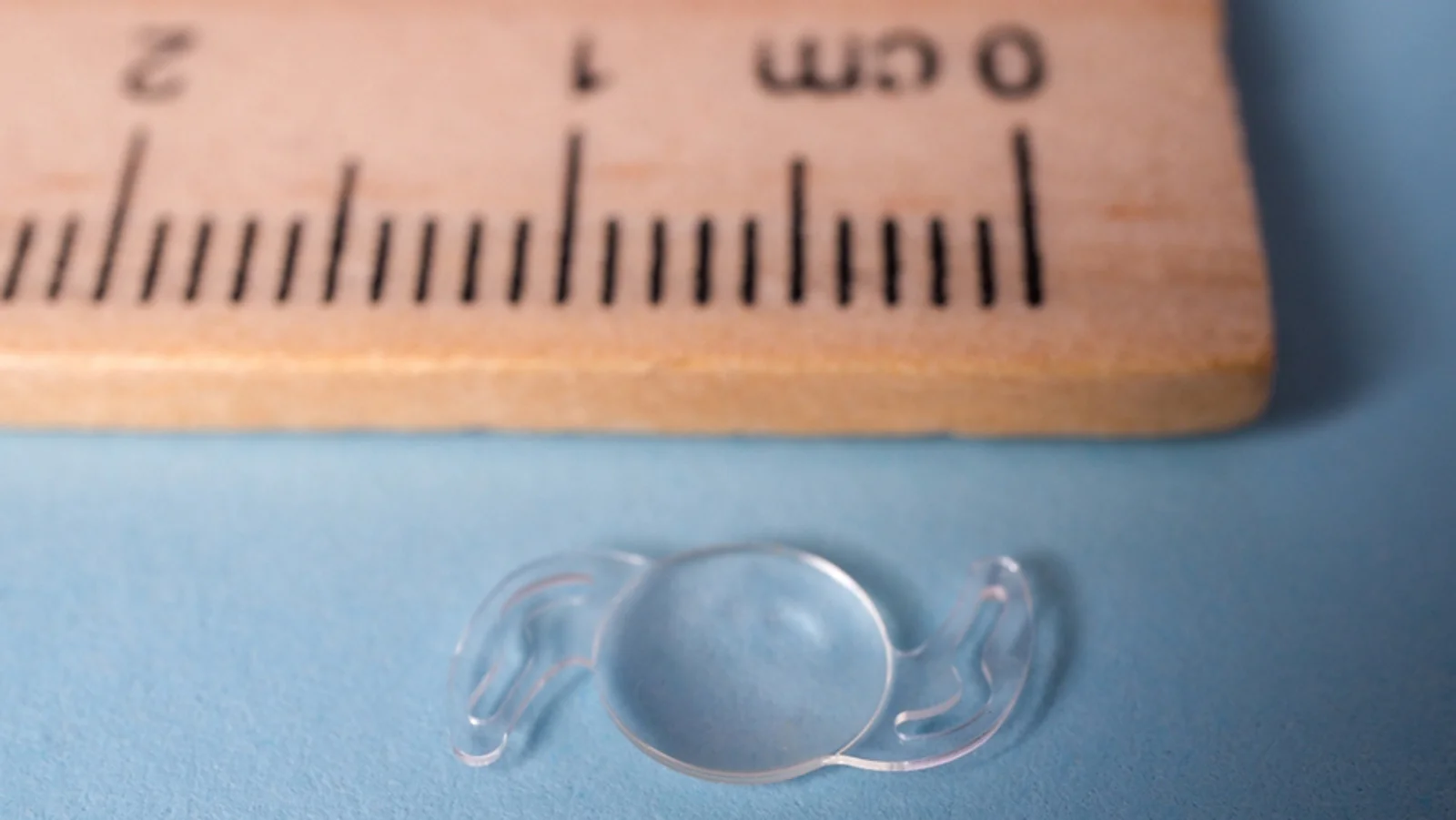
A multifocal lens implant is a type of artificial intraocular lens (IOL) used to replace the eye's natural lens during cataract surgery or refractive lens exchange. Unlike standard monofocal lenses that provide clear vision at only one distance (usually far), multifocal IOLs are designed to correct vision at near, intermediate, and distance ranges.
The Science Behind Multifocal Vision Correction
Dividing Light, Multiplying Clarity
Multifocal lenses work by dividing incoming light into multiple focal points. This means part of the light is focused for near vision (like reading), another part for intermediate (computer work), and the rest for distance (driving or watching TV).
- Diffractive Lenses: Use concentric microstructures to split light into two or more focal points.
- Refractive Lenses: Have distinct zones within the lens that bend light differently depending on its entry point.
Neuroadaptation: The Brain’s Role
Because these lenses deliver multiple images to the retina, your brain must adapt to select the clearest one for the task at hand. This process, called neuroadaptation, takes time but is highly effective for most patients. At our clinic, we support patients through this adjustment period with careful follow-up and tailored guidance.
Customizing to the Patient
The success of a multifocal lens implant depends heavily on individual factors, including:
- Corneal health and regularity
- Pupil size and lighting environment
- Presence of other eye diseases (like macular degeneration or glaucoma)
- Lifestyle and visual demands
Types of Multifocal IOLs and How We Choose Them
Refractive Multifocal IOLs
These lenses are built with concentric rings, each set to a different refractive power. Depending on where light enters the eye, a different zone becomes dominant, helping with various distances. They tend to be more sensitive to pupil size and lighting conditions.
Diffractive Multifocal IOLs
These use a step-like structure to diffract light into multiple focal points. They generally offer more consistent performance across lighting conditions and pupil sizes, making them a popular choice.
Trifocal and Hybrid Lenses
Newer lenses offer three distinct focal points (near, intermediate, and far) and often combine diffractive and refractive technologies. They are especially helpful for patients who do a lot of screen work or reading.
How We Select the Right Lens
We factor in:
- Visual priorities (e.g., reading vs. driving)
- Eye anatomy and preexisting conditions
- Sensitivity to glare or halos
- Budget (as premium IOLs are often not fully covered by insurance)
Realistic Expectations: Benefits and Considerations

Benefits
- Greater freedom from glasses: Many patients no longer need glasses for most daily tasks.
- Improved quality of life: Convenience, confidence, and comfort.
- Stable, long-term solution: These lenses last a lifetime if implanted correctly and ocular health is maintained.
Considerations
- Visual phenomena: Some patients report halos or glare, especially at night.
- Adaptation period: It can take weeks to months for the brain to fully adjust.
- Not ideal for all eyes: Patients with certain eye diseases or irregularities may not benefit.
A Personalized Experience at Global Ubal Eye Center
Our multifocal lens program is led by Dr. Heecheol Bae, MD, PhD, who brings over 23 years of ophthalmic expertise. Every patient journey begins with a comprehensive eye exam, including:
Is a Multifocal Lens Implant Right for You?
Final Thoughts
More Articles
Continue reading our ophthalmology guides and vision care insights.

SMILE vs LASIK: Recovery Benchmarks for Vision Correction Care
South Korea has solidified its position as a global epicenter for ophthalmology, with the domestic LASIK and refractive surgery market projected to reach **USD 167.37 million by 2035**, growing at a steady CAGR of 8.54%.
Learn More

Prevalence of Myopia in Korea: The Value of Dream Lens Therapy
The prevalence of myopia among young people in South Korea has reached critical levels, often described as a "myopia epidemic." According to recent data from the **Korean National Health and Nutrition Examination Survey (KNHANES)**, the prevalence of myopia...
Learn More

Multidisciplinary Care: The Future of Korean Pediatric Eye Clinics
The landscape of pediatric eye care in South Korea is shifting rapidly. With nearly **21.9% of Korean children** estimated to be affected by various visual disorders according to nationwide health screenings, the demand for specialized intervention has never...
Learn More