Comprehensive Eye Care & Vision Correction in Incheon · Multilingual International Concierge
23+ Years Clinical Experience
en-US

Ophthalmology Guide
How Much for Presbyopia / Cataract in Korea? 30% Cheaper Than Russian Price
## Introduction For many residents of Moscow, St. Petersburg, and Vladivostok, the onset of age-related vision loss used to mean a lifetime of searching for misplaced reading glasses. However, a major shift is occurring in the world of medical tourism.
Schedule a ConsultationIntroduction
For many residents of Moscow, St. Petersburg, and Vladivostok, the onset of age-related vision loss used to mean a lifetime of searching for misplaced reading glasses. However, a major shift is occurring in the world of medical tourism. Thousands of patients from Russia and the CIS countries are now looking toward Seoul, South Korea, to restore their Golden Age vision.
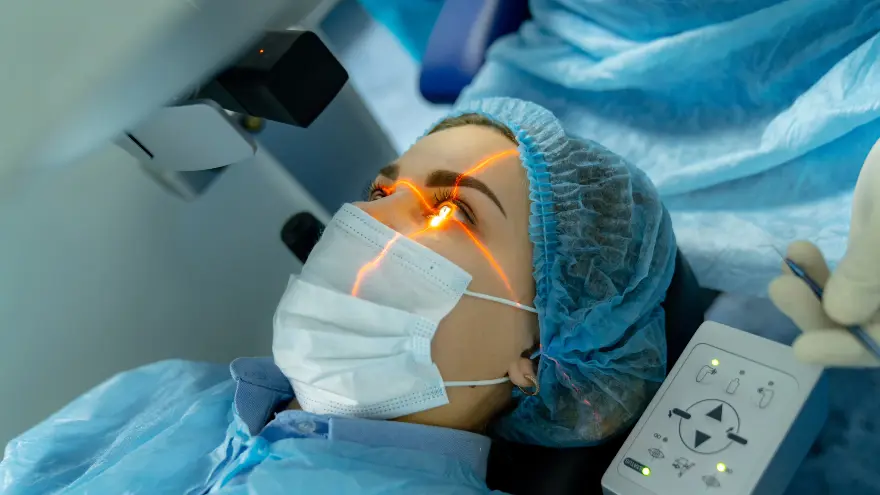
Understanding the Condition: Presbyopia vs. Cataracts
Before diving into the costs, it is essential to understand what is happening to your eyes. Many patients use these terms interchangeably, but they represent different biological changes.
Defining Presbyopia
Presbyopia is the natural, age-related loss of the eye's ability to focus on nearby objects. You might notice this when you have to hold a book or smartphone at arm's length to see the text clearly. It usually begins in the early to mid-40s and is caused by the hardening of the lens inside your eye.
Defining Cataracts
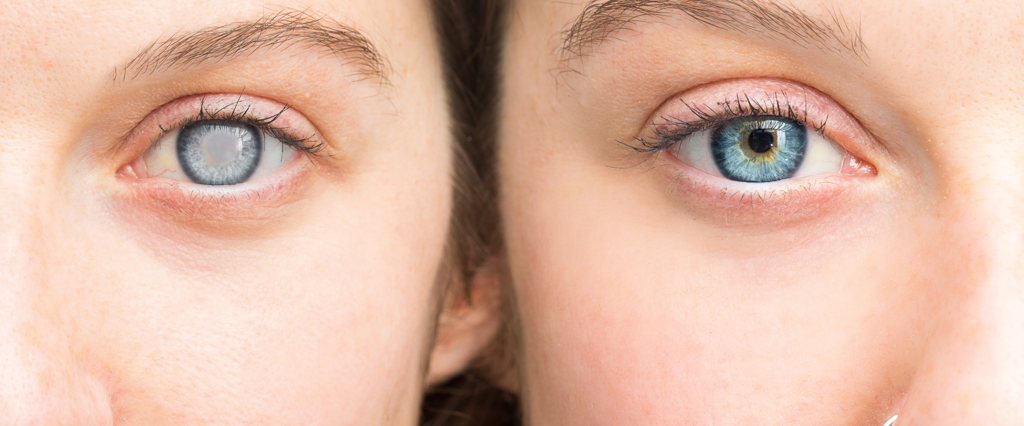
A cataract is the clouding of that same natural lens. Over time, proteins in the lens break down and clump together, creating a foggy or milky window. This makes colors look faded and night driving dangerous due to glare.
The Combined Solution
The modern Full-Vision solution in Korea involves replacing your clouded or stiff natural lens with a Multi-focal Intraocular Lens (IOL). These advanced artificial lenses are designed to focus light from all distances—near, intermediate, and far. This effectively treats both Presbyopia / Cataract symptoms simultaneously, allowing you to live a life entirely free from glasses.
The Korea Advantage: Why It Is the Cheapest and Best for Treatment
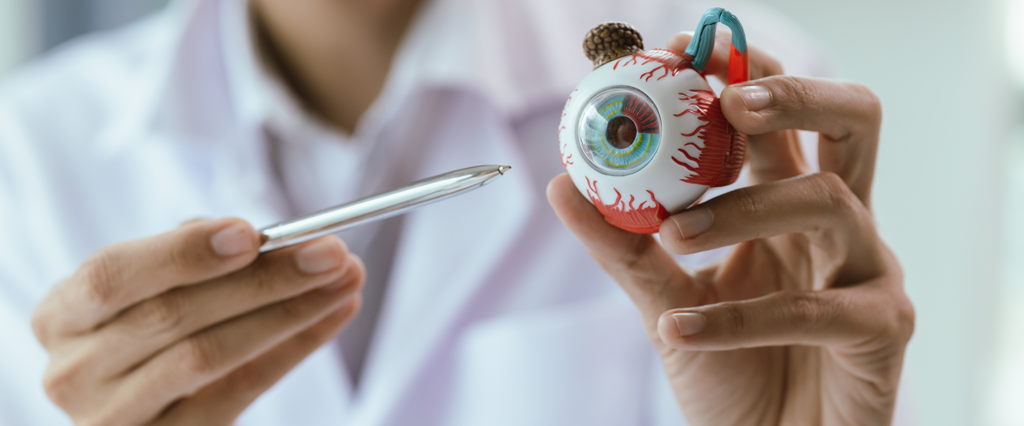
South Korea has solidified its reputation as the global hub for advanced ophthalmology. There are three primary reasons why South Korea is the cheapest and best for treatment:
- Manufacturer Hub: Because Korean eye clinics perform a massive volume of surgeries, they have incredible bargaining power with global lens manufacturers like Alcon (USA), Zeiss (Germany), and Johnson & Johnson. They procure premium lenses at wholesale prices that Russian clinics simply cannot match.
- Technological Density: In many parts of the world, laser-assisted surgery is a luxury upgrade. In Seoul, Femtosecond Laser technology (FLACS) is the standard. These lasers create perfect, microscopic incisions that heal faster than manual blade techniques used in many Russian private practices.
- Efficiency and Specialization: Seoul’s eye centers are designed for high-volume, high-precision care. This industrial-scale efficiency reduces the overhead cost per patient while maintaining a sterile, ultra-modern environment that often exceeds international safety standards.
Comprehensive Cost Analysis: Korea vs. Russia
When comparing the costs of treating Presbyopia / Cataract, the numbers speak for themselves. South Korea is the cheapest and best for treatment because their all-inclusive packages often cover the 50-step diagnostic exams that Russian clinics may bill as extra consultation fees.
| Procedure Type | Average Price in Russia (Private) | Average Price in South Korea | Potential Savings |
|---|---|---|---|
| Monofocal Cataract Surgery | $1,800 – $2,500 | $1,200 – $1,600 | ~35% |
| Multifocal (Presbyopia) IOL | $4,500 – $6,500 | $3,000 – $4,200 | ~30% |
| Laser-Assisted (FLACS) | $5,500 – $7,500 | $3,800 – $4,500 | ~40% |
The Procedure: The Seoul Sight Journey
Medical tourism in Korea is a highly organized experience. From the moment you land at Incheon Airport, the process is streamlined for your comfort.
Choosing the Right Lens: Multi-focal vs. Tri-focal vs. EDOF
Not all lenses are created equal. Your lifestyle determines which lens is right for you.
- Multi-focal/Tri-focal Lenses: Best for active people who want to read, use a computer, and drive without glasses. These provide the sharpest focus at three distinct points.
- EDOF (Extended Depth of Focus): Best for night drivers. These lenses provide a continuous range of high-quality vision and significantly reduce the halos or glare around streetlights at night.
- Hydrophobic Standard: Korean surgeons almost exclusively use hydrophobic lenses. These are more resistant to Secondary Cataracts, ensuring your vision stays clear for decades without needing follow-up laser cleaning.
Safety, Risks, and Logistics for International Patients
Questions to Ask Your Surgeon
Frequently Asked Questions
Conclusion
More Articles
Continue reading our ophthalmology guides and vision care insights.

SMILE vs LASIK: Recovery Benchmarks for Vision Correction Care
South Korea has solidified its position as a global epicenter for ophthalmology, with the domestic LASIK and refractive surgery market projected to reach **USD 167.37 million by 2035**, growing at a steady CAGR of 8.54%.
Learn More

Prevalence of Myopia in Korea: The Value of Dream Lens Therapy
The prevalence of myopia among young people in South Korea has reached critical levels, often described as a "myopia epidemic." According to recent data from the **Korean National Health and Nutrition Examination Survey (KNHANES)**, the prevalence of myopia...
Learn More

Multidisciplinary Care: The Future of Korean Pediatric Eye Clinics
The landscape of pediatric eye care in South Korea is shifting rapidly. With nearly **21.9% of Korean children** estimated to be affected by various visual disorders according to nationwide health screenings, the demand for specialized intervention has never...
Learn More