Comprehensive Eye Care & Vision Correction in Incheon · Multilingual International Concierge
23+ Years Clinical Experience
en-US

Ophthalmology Guide
How Much for Lens Implant Surgery in Korea? 30% Cheaper Than Russian Price
Discover how much lens implant surgery costs in Korea — often up to **30% cheaper than in Russia** — with advanced clinics, expert surgeons, and quality care for clearer vision.
Schedule a ConsultationIntroduction
For many residents of Moscow, Saint Petersburg, or Vladivostok, the dream of waking up with perfect vision often feels blocked by the high costs of local private clinics. While Russia has a historic reputation for ophthalmology, a major shift is occurring in the medical landscape.
The Evolution of Vision Correction
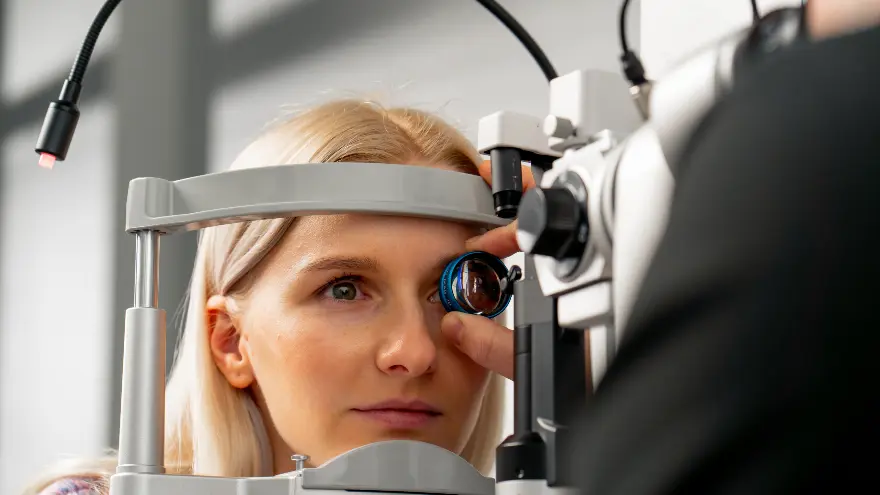
In the past, patients with severe nearsightedness or thin corneas were often told they were not candidates for vision correction. Traditional laser methods like LASIK work by reshaping the cornea, which requires a certain amount of tissue thickness. However, Lens Implant Surgery (also known as ICL or Implantable Collamer Lens) has changed the game.
What is Lens Implant Surgery?
Lens Implant Surgery is a revolutionary procedure where a small, flexible lens is inserted into the eye to sit between the iris and the natural crystalline lens. Think of it as a permanent contact lens that you never have to clean or take out.
Understanding Candidacy: Is ICL Right for You?
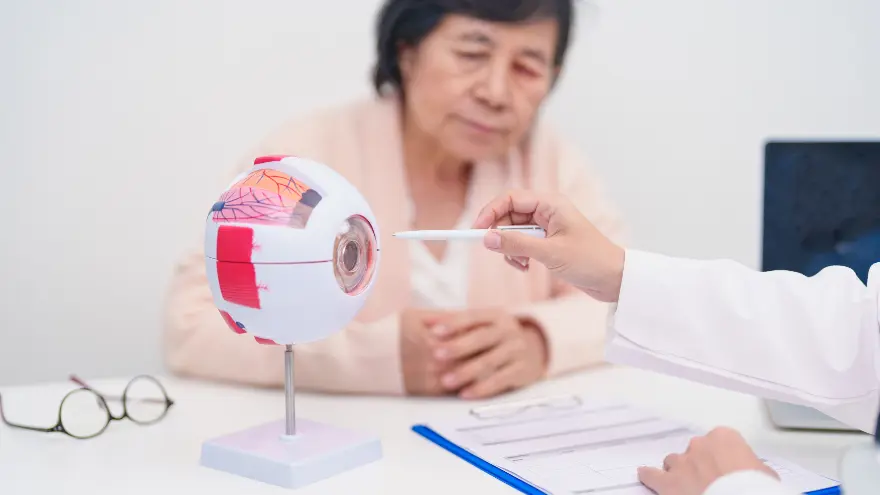
Not everyone is a fit for laser surgery, but many of those individuals are perfect candidates for Lens Implant Surgery. Generally, the ideal candidate is between 21 and 45 years old with a stable prescription.
Why South Korea is the Cheapest and Best for Treatment
It may seem counterintuitive that a country with more advanced technology can be cheaper than Russia. However, the unique medical economy of Seoul creates a perfect environment for high-quality, low-cost care.
Detailed Cost Comparison: South Korea vs. Russia
When traveling for medical care, transparency is vital. Russian clinics often quote a base price and then add separate fees for diagnostics, medications, and follow-ups. In contrast, Korean medical packages for international patients are typically all-inclusive.
| Feature / Service | Avg. Price in Russia (Private) | Avg. Price in South Korea | Estimated Savings |
|---|---|---|---|
| Lens Implant (Both Eyes) | $6,500 – $8,500 | $4,500 – $5,500 | ~30-40% |
| Toric ICL (Astigmatism) | $7,500 – $9,500 | $5,500 – $6,500 | ~30% |
| Pre-Op Diagnostic Suite | $250 – $500 | Included | 100% |
| Post-Op Meds & Drops | $150+ | Included | 100% |
| Airport Tax Refund | N/A | 7% – 10% Back | Instant Cash |
The Procedure and Recovery Timeline
The journey to clear vision is surprisingly fast. The procedure takes about 15 minutes per eye and is performed under local numbing drops, so you feel no pain. A microscopic incision is made, the lens is inserted, and it unfolds naturally into place.
Quality Standards and Safety Record
In the medical world, cheaper can sometimes cause concern. However, in Korea, the lower price is a result of efficiency, not a sacrifice in safety.
Strategic Advantages: What Competitors Miss
Beyond the price, there are hidden benefits to choosing Korea for your surgery. Korea has the world's most advanced inventory of Toric ICL lenses, meaning no long waiting periods for custom orders for astigmatism.
Questions to Ask Your Surgeon
Before committing to any clinic, ensure you have the following information: ask if they are using the EVO+ Visian ICL with the CentraFLOW hole. Confirm if the DNA screening and UBM diagnostic testing are included in the price. Finally, ask if they provide a written warranty or a touch-up guarantee for your peace of mind.
Frequently Asked Questions
1. Is South Korea Really The Cheapest And Best For Treatment?
Yes. Due to the high volume of surgeries and intense market competition, Seoul clinics offer the world's most advanced ICL technology at prices 30% to 40% lower than top-tier private clinics in Moscow.
2. Is The Lens Implant Permanent?
The lens is designed to stay in your eye indefinitely. However, it is reversible; if your vision changes or you develop cataracts later in life, the lens can be safely removed or replaced.
3. Will I Feel The Lens Inside My Eye?
No. You cannot see or feel the lens once it is placed. It sits behind the iris, where it is completely invisible to both you and others.
4. How Much Will I Actually Save Compared To Russia?
Typically, patients save between $2,000 and $3,500 USD per procedure. This includes the surgery itself, the diagnostic tests, and the tax refund available at the airport.
5. Can I Have Both Eyes Done On The Same Day?
Yes. In the Korean One-Day system, both eyes are treated during the same session, which is highly convenient for international travelers.
Conclusion
Choosing South Korea for your Lens Implant Surgery is an investment in your quality of life. You don't have to settle for older technology or pay the inflated prices of local private clinics. By choosing Seoul, you are choosing the global Gold Standard of eye care.
More Articles
Continue reading our ophthalmology guides and vision care insights.

SMILE vs LASIK: Recovery Benchmarks for Vision Correction Care
South Korea has solidified its position as a global epicenter for ophthalmology, with the domestic LASIK and refractive surgery market projected to reach **USD 167.37 million by 2035**, growing at a steady CAGR of 8.54%.
Learn More

Prevalence of Myopia in Korea: The Value of Dream Lens Therapy
The prevalence of myopia among young people in South Korea has reached critical levels, often described as a "myopia epidemic." According to recent data from the **Korean National Health and Nutrition Examination Survey (KNHANES)**, the prevalence of myopia...
Learn More

Multidisciplinary Care: The Future of Korean Pediatric Eye Clinics
The landscape of pediatric eye care in South Korea is shifting rapidly. With nearly **21.9% of Korean children** estimated to be affected by various visual disorders according to nationwide health screenings, the demand for specialized intervention has never...
Learn More