Comprehensive Eye Care & Vision Correction in Incheon · Multilingual International Concierge
23+ Years Clinical Experience
en-US

Ophthalmology Guide
How Macular Degeneration Impacts Your Life—And How We Help
Discover how macular degeneration affects vision and daily life. Learn about treatments, support options, and how we help you protect your sight—start now!
Schedule a ConsultationIntroduction: Vision Is More Than Sight
Vision is not just about seeing clearly. It's about connection, identity, confidence, and independence. At Global Ubal Eye Center, we meet patients every day who don’t realize how much their eyesight shapes their daily experience until it begins to fade. Macular degeneration is one of those conditions that changes lives slowly, then all at once. It isn't painful. It doesn't scream for attention.
When Clarity Fades: What Macular Degeneration Really Feels Like
Imagine sitting across from a loved one at dinner. You're talking, laughing—but their face isn't clear. It's not blurred like a foggy lens, nor dark like a curtain drawn over your eye. Instead, it's just... missing. A smudge in the middle of your vision. That's what macular degeneration can feel like.
More Than Aging: Understanding Why It Happens
Macular degeneration is often thought of as a simple consequence of aging, but that's an oversimplification. Yes, it's more common in people over 50, and especially over 65. But lifestyle, environment, and genetics all play key roles.
- Dry AMD: The most common type. It progresses slowly and is marked by the accumulation of drusen (yellow deposits) under the retina.
- Wet AMD: Less common but more severe. It involves abnormal blood vessel growth beneath the retina, leading to sudden vision loss if untreated.
Life Changes Subtly—Then All at Once
In early stages, people barely notice. Words might look fuzzier. Straight lines appear wavy. You might need brighter light to read, or find yourself squinting more often. It’s easy to dismiss as "just aging" or a need for new glasses.
- Reading a book becomes tiring.
- Driving feels risky, especially at night.
- Recognizing a friend across the street becomes impossible.
- Everyday activities—from cooking to watching TV—require adaptations.
How Global Ubal Eye Center Helps
Early Detection: Our First Line of Defense
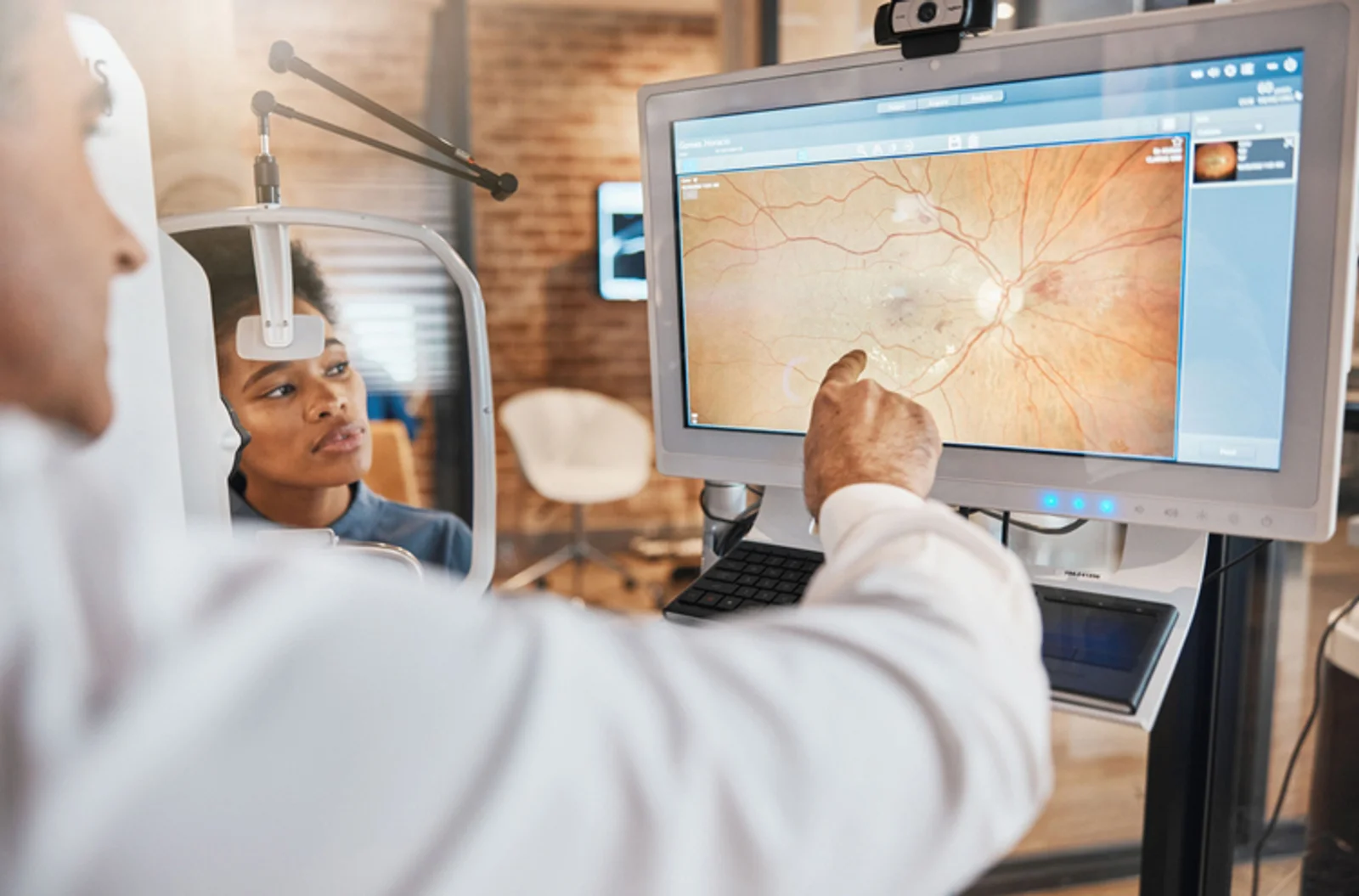
We believe early diagnosis is the most powerful tool we have. With tools like optical coherence tomography (OCT), fundus photography, and fluorescein angiography, we can detect AMD before vision loss becomes serious. Many patients are shocked to learn they already show early signs.
Dry AMD: Slowing the Clock
For dry AMD, there's no cure yet—but there's a roadmap. We recommend the AREDS2 supplement formula, which includes vitamins C and E, zinc, copper, lutein, and zeaxanthin. But supplements alone aren’t enough.
- Nutritional counseling for antioxidant-rich diets
- Smoking cessation programs
- Blood pressure and cholesterol management
- Screen time and lighting optimization
Wet AMD: Modern Medicine in Action
For wet AMD, time is vision. Anti-VEGF injections, such as ranibizumab (Lucentis) or aflibercept (Eylea), can slow or even reverse vision loss. These are administered directly into the eye—a procedure that sounds frightening but is quick, safe, and nearly painless in expert hands.
Low Vision Support: Reclaiming Daily Life
When vision loss becomes significant, the goal shifts from cure to adaptation. Our low-vision rehabilitation program is one of the most comprehensive in Incheon. We offer:
- Magnifiers and high-contrast reading aids
- Training in eccentric viewing (using side vision)
- Personalized lighting and device recommendations
- Coordination with occupational therapists
Real Stories, Real Strength
One of our patients, Ms. Kim, came to us after years of dry AMD progression. Reading had become exhausting, and she felt anxious in social settings. After a tailored rehab plan and improved nutrition, she shared, "I can follow subtitles again. It feels like a part of my life came back."
Why Choose Global Ubal Eye Center?
We’re not just an eye clinic. We’re a team that believes in long-term care, not quick fixes. Our international reputation is built on:
- Multilingual care (Korean, English, Japanese, Mongolian, Russian)
- Evidence-based treatments using the latest imaging and surgical tools
- Personalized care plans rooted in lifestyle, culture, and medical history
- Continuity of care with the same doctor from diagnosis to follow-up
Conclusion: You Deserve to See Clearly
Macular degeneration is not the end of vision—it’s a call to act early, wisely, and compassionately. Whether you're newly diagnosed, at risk, or already managing AMD, remember that you're not alone. With the right care, many patients live fully, independently, and visually connected lives for years.
More Articles
Continue reading our ophthalmology guides and vision care insights.

SMILE vs LASIK: Recovery Benchmarks for Vision Correction Care
South Korea has solidified its position as a global epicenter for ophthalmology, with the domestic LASIK and refractive surgery market projected to reach **USD 167.37 million by 2035**, growing at a steady CAGR of 8.54%.
Learn More

Prevalence of Myopia in Korea: The Value of Dream Lens Therapy
The prevalence of myopia among young people in South Korea has reached critical levels, often described as a "myopia epidemic." According to recent data from the **Korean National Health and Nutrition Examination Survey (KNHANES)**, the prevalence of myopia...
Learn More

Multidisciplinary Care: The Future of Korean Pediatric Eye Clinics
The landscape of pediatric eye care in South Korea is shifting rapidly. With nearly **21.9% of Korean children** estimated to be affected by various visual disorders according to nationwide health screenings, the demand for specialized intervention has never...
Learn More