Comprehensive Eye Care & Vision Correction in Incheon · Multilingual International Concierge
23+ Years Clinical Experience
en-US


Ophthalmology Guide
How Long-Term Dry Eye Syndrome Affects Your Vision
Discover how long-term dry eye syndrome impacts your vision, from blurry sight to discomfort, and explore effective relief options. Learn more today!
Schedule a ConsultationIntroduction: When Dry Eyes Are More Than Just a Minor Irritation
Almost everyone has experienced the discomfort of dry eyes at some point. Maybe after a long day at the computer, your eyes felt heavy and gritty. Or perhaps during a winter evening in Korea, with indoor heating running, you noticed your eyes stinging until you used eye drops. In those moments, dryness seems like a small, temporary inconvenience.
What Really Happens in Chronic Dry Eye?
The front of your eye — the cornea — works much like the lens of a camera. For sharp vision, it must stay smooth, evenly coated, and transparent. This stability comes from the tear film, a delicate mixture of water, oil, and proteins that constantly replenishes with every blink.
- Surface inflammation, leading to redness and irritation.
- Micro-damage to corneal cells, which can affect transparency.
- Light distortion, making glare and halos more noticeable.
The Real-Life Impact: How Dry Eye Shapes Everyday Vision?

Patients with long-term dry eye often describe a similar set of frustrations:
- Vision feels foggy or smeared, especially after reading for long periods.
- Words on a screen seem to fade in and out of focus.
- Night driving becomes stressful, with halos and starbursts around headlights.
- A constant need to blink or close the eyes for relief.
Why Long-Term Dry Eye Should Never Be Ignored?
Many people dismiss chronic eye irritation as part of aging or as a side effect of modern life. After all, who doesn’t spend long hours in front of screens these days? Yet, ignoring long-term dryness can have serious consequences:
- Chronic inflammation can damage the corneal surface, making vision less sharp.
- Reduced natural protection increases vulnerability to infection, since tears help flush away debris and bacteria.
- Complications after surgery: For patients planning LASIK, cataract surgery, or glaucoma treatment, untreated dry eye can interfere with surgical measurements, healing, and final results.
Common Misconceptions About Dry Eye
To be honest, one of the most common misunderstandings we encounter is the belief that dry eye simply means not enough tears. Patients often say, “But my eyes water all the time — how can I have dry eye?”
- If the oil layer is weak (due to Meibomian Gland Dysfunction), tears evaporate too quickly.
- If the mucin layer is deficient, tears don’t spread evenly across the cornea.
- If the aqueous layer is reduced, volume alone isn’t enough to maintain stability.
How Long-Term Dry Eye Interacts with Other Eye Conditions?
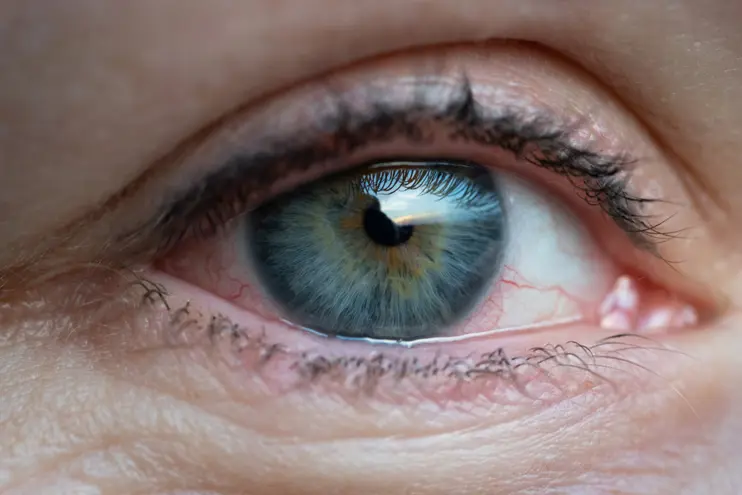
One of the reasons dry eye deserves serious attention is because it rarely exists in isolation. It often interacts with — and complicates — other eye conditions.
- After LASIK or LASEK: Temporary dryness is common, but in some patients, it persists unless treated. Left unchecked, it can slow healing and affect vision quality.
- Before cataract surgery: An unstable tear film can distort the measurements used to select the right intraocular lens, leading to less precise results.
- Glaucoma management: Long-term use of medicated drops, especially those with preservatives, can worsen dryness and irritation.
- Presbyopia and aging: As natural focusing ability declines, dry eye amplifies the frustration of blurry near vision.
Modern Treatments: Relief Beyond Eye Drops
If you’ve been battling dryness for months or years, you probably already know that eye drops are not enough. Lasting relief often requires a more comprehensive, personalized plan.
- Thermal lid therapy: Gently heating and expressing the oil glands to restore healthy tear film.
- Anti-inflammatory medications: Addressing the underlying irritation at the surface.
- Punctal plugs: Tiny, reversible inserts that help conserve natural tears.
- Scleral lenses: Special contact lenses that create a protective, fluid-filled reservoir over the cornea.
- Lifestyle adjustments: Simple changes like taking screen breaks, improving blinking habits, and adding indoor humidity can significantly reduce symptoms.
Living with Dry Eye: The Emotional Side
It’s easy to focus on the medical aspects of dry eye, but the emotional toll is just as real. Patients often tell us they feel frustrated, irritable, or even anxious because their eyes constantly distract them. Some quietly withdraw from activities they once enjoyed, such as reading novels, playing musical instruments, or driving at night.
Conclusion: Protecting Your Eyes for the Long Term
Long-term dry eye is not something to “tough out.” It is a condition that changes how you see and how you live. Left untreated, it can reduce visual quality, complicate other eye conditions, and erode everyday comfort.
More Articles
Continue reading our ophthalmology guides and vision care insights.

SMILE vs LASIK: Recovery Benchmarks for Vision Correction Care
South Korea has solidified its position as a global epicenter for ophthalmology, with the domestic LASIK and refractive surgery market projected to reach **USD 167.37 million by 2035**, growing at a steady CAGR of 8.54%.
Learn More

Prevalence of Myopia in Korea: The Value of Dream Lens Therapy
The prevalence of myopia among young people in South Korea has reached critical levels, often described as a "myopia epidemic." According to recent data from the **Korean National Health and Nutrition Examination Survey (KNHANES)**, the prevalence of myopia...
Learn More

Multidisciplinary Care: The Future of Korean Pediatric Eye Clinics
The landscape of pediatric eye care in South Korea is shifting rapidly. With nearly **21.9% of Korean children** estimated to be affected by various visual disorders according to nationwide health screenings, the demand for specialized intervention has never...
Learn More