Comprehensive Eye Care & Vision Correction in Incheon · Multilingual International Concierge
23+ Years Clinical Experience
en-US

Ophthalmology Guide
How Long Does All-Laser LASIK Recovery Take?
Wondering how long all-laser LASIK recovery takes? Learn about the typical healing process, expected recovery time, and tips for a smooth recovery.
Schedule a ConsultationIntroduction
If you're considering All-Laser LASIK, you're likely excited about the prospect of clearer vision without the hassle of glasses or contact lenses. But like any medical procedure, it’s natural to wonder about the recovery process. How long will it take to get back to your normal routine? How soon will you notice significant improvements in your vision?
What to Expect Right After All-Laser LASIK
The First 24 Hours: A Critical Period
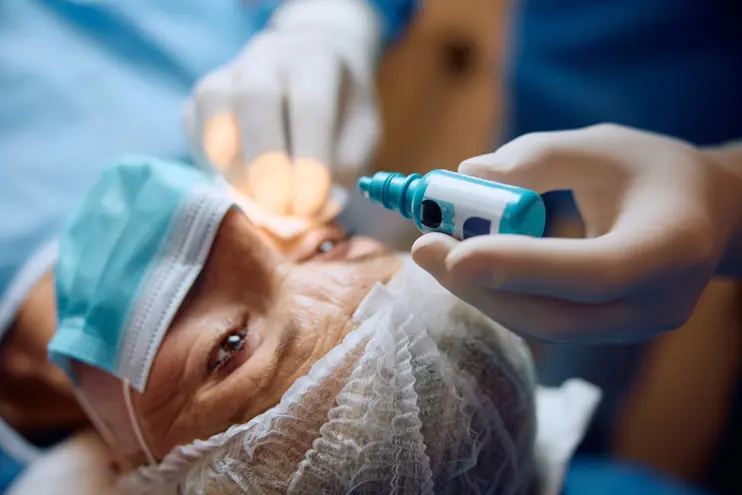
- Immediately after surgery: You might experience blurry vision, mild discomfort, or a sensation of something being in your eye, but this is completely normal and part of the healing process. Your doctor will likely prescribe lubricating eye drops to help ease discomfort and prevent dryness.
- Day 1 post-surgery: On your first post-surgery visit (typically the following day), your surgeon will check your eye health and vision. At this point, many patients notice a significant improvement in their sight. Still, it’s important to rest and avoid activities that may strain your eyes, such as reading or using a smartphone excessively.
The Early Stages of Recovery (First Week)
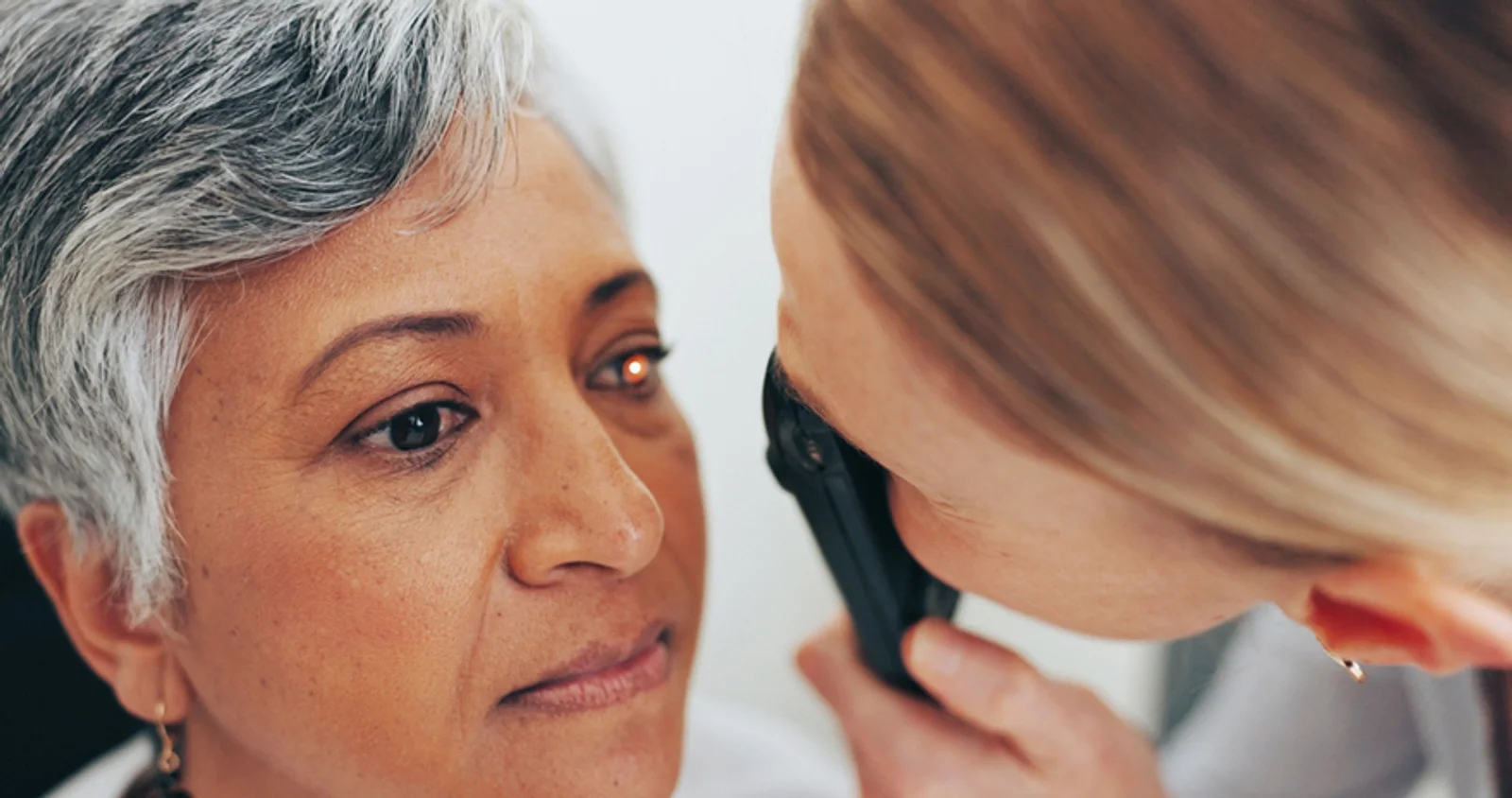
The recovery process really starts to take shape in the first week. While the bulk of the healing occurs during this time, there are several things you should keep in mind:
- Day 2 to Day 4: You may still experience mild dryness or sensitivity to light. It's important to follow the instructions for using your prescribed medications and avoid rubbing your eyes. Some patients experience fluctuating vision during this period, with their eyesight improving and then temporarily blurring. Don't worry—this is part of the healing process.
- Day 5 to Day 7: By the end of the first week, most patients report significant improvements in vision clarity. However, you should still avoid strenuous activities like exercise, swimming, or exposure to dirt and dust to ensure that your eyes heal properly. You should also wear protective goggles while sleeping to avoid accidentally rubbing your eyes.
The First Month: Settling In
As your eyes continue to heal over the next few weeks, your vision will stabilize. Some changes might be subtle, and others might be more noticeable.
- Week 1 to Week 2: By now, most patients feel confident enough to resume most daily activities, including driving, though some might still experience mild fluctuations in vision. It's important to continue attending follow-up appointments with your surgeon to ensure the healing process is progressing well.
- Week 3 to Week 4: You will likely notice your vision becoming even clearer and more stable. For some, there may still be occasional dryness or slight blurriness. This is entirely normal, especially as your cornea continues to reshape after the procedure.
Full Recovery Time: 3 to 6 Months

While the initial recovery can take place within the first month, full recovery from All-Laser LASIK can take a few months. Here’s what to expect:
- 3 to 6 months post-surgery: Most patients will have fully recovered by the 3- to 6-month mark. During this time, any minor visual fluctuations should subside. Your eyes will have completed the majority of their healing, and you’ll likely enjoy the permanent benefits of clearer, sharper vision. Follow-up appointments during this period will help monitor your eye health and ensure everything is progressing as it should.
Factors That Can Influence Recovery Time
Though the recovery process for All-Laser LASIK is relatively quick for most patients, several factors can influence how long it takes for you to fully heal. These include:
- Age: Younger patients tend to recover a bit faster than older individuals due to the natural healing ability of the eye. However, even older patients can expect a smooth recovery with proper care.
- Overall health: Patients with good general health and no pre-existing eye conditions tend to heal more quickly. If you have conditions like dry eye, diabetes, or other health concerns, you may experience a slightly longer recovery time.
- Adherence to aftercare: Proper post-surgical care is crucial. Skipping follow-up visits, not using eye drops as prescribed, or exposing your eyes to irritants can delay your recovery. Ensuring you follow the care instructions from your surgeon will ensure the best results.
Tips for Speeding Up Your Recovery
Long-Term Vision Stability
When to Contact Your Doctor
Why Choose Global Ubal Eye Center for Your LASIK Surgery?
Final Thoughts
More Articles
Continue reading our ophthalmology guides and vision care insights.

SMILE vs LASIK: Recovery Benchmarks for Vision Correction Care
South Korea has solidified its position as a global epicenter for ophthalmology, with the domestic LASIK and refractive surgery market projected to reach **USD 167.37 million by 2035**, growing at a steady CAGR of 8.54%.
Learn More

Prevalence of Myopia in Korea: The Value of Dream Lens Therapy
The prevalence of myopia among young people in South Korea has reached critical levels, often described as a "myopia epidemic." According to recent data from the **Korean National Health and Nutrition Examination Survey (KNHANES)**, the prevalence of myopia...
Learn More

Multidisciplinary Care: The Future of Korean Pediatric Eye Clinics
The landscape of pediatric eye care in South Korea is shifting rapidly. With nearly **21.9% of Korean children** estimated to be affected by various visual disorders according to nationwide health screenings, the demand for specialized intervention has never...
Learn More