Comprehensive Eye Care & Vision Correction in Incheon · Multilingual International Concierge
23+ Years Clinical Experience
en-US


Ophthalmology Guide
How Lens Implant Surgery Helps Achieve Better Vision Post-Cataract
Lens implant surgery after cataract removal restores clear vision by replacing the clouded lens with a synthetic one. Learn how this procedure enhances sight and quality of life.
Schedule a ConsultationIntroduction
Cataract surgery is one of the most common and successful medical procedures performed worldwide, offering millions of people the chance to regain their vision. However, the true magic of post-cataract recovery often comes with the next crucial step: lens implant surgery. After removing the clouded natural lens, an artificial intraocular lens (IOL) is implanted to restore and even enhance vision.
What Is Lens Implant Surgery?
Lens implant surgery is a procedure that occurs after cataract surgery, where the clouded natural lens of the eye is replaced with a clear artificial lens. The natural lens is responsible for focusing light on the retina, but when cataracts develop, it becomes opaque, causing blurred vision.
How Does Lens Implant Surgery Work?
After the cataract is removed, a small, clear IOL is implanted in place of the natural lens. These lenses are designed to provide high levels of clarity and vision correction, much like the original lens, but with the added benefit of being free from cataracts and other age-related issues.
Types of Lens Implants
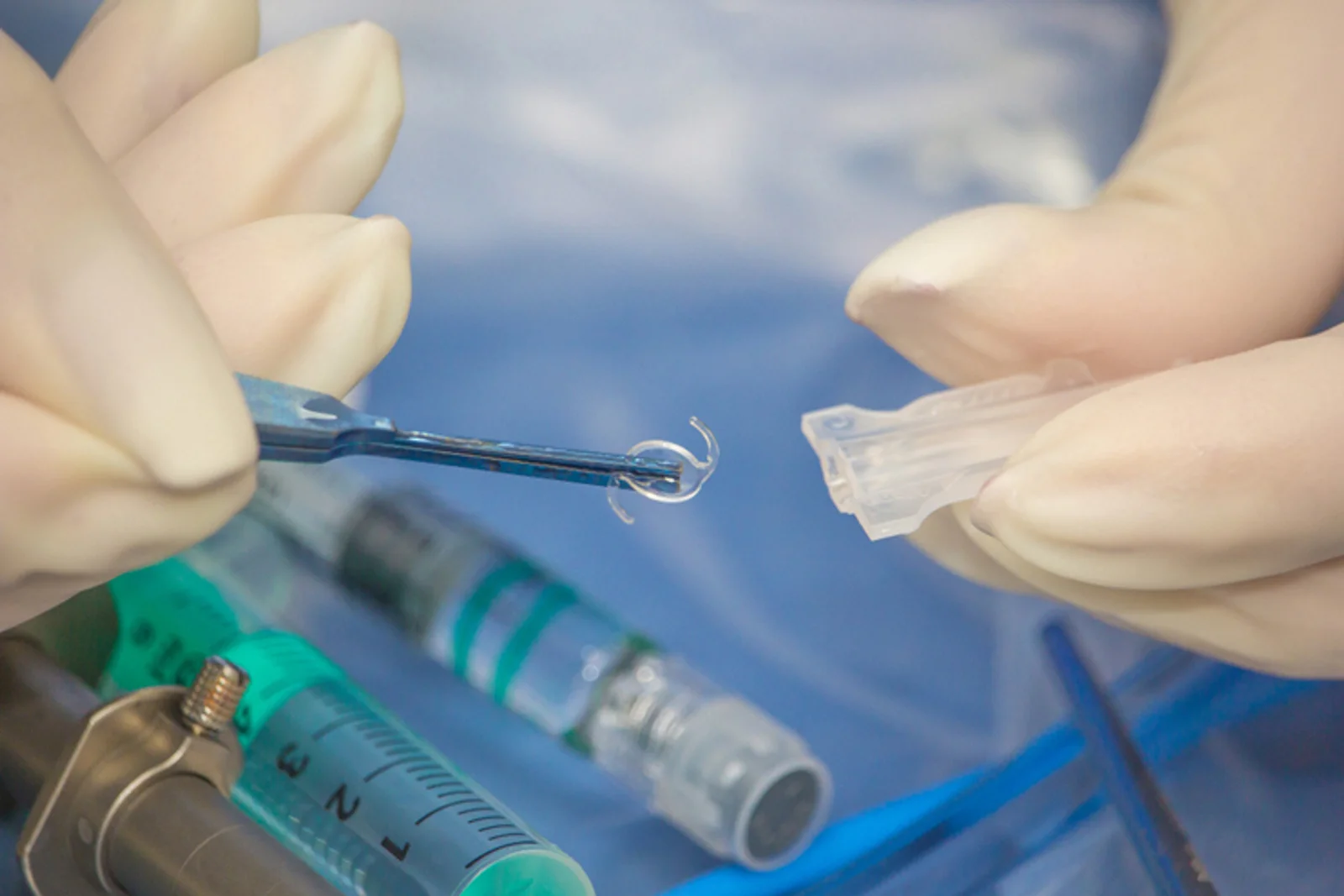
There are several types of intraocular lenses available, each offering different benefits depending on your vision needs. Some of the most common types include:
- Monofocal IOLs: These lenses offer clear vision at one distance—either near, intermediate, or far. Most patients choose monofocal IOLs for clear distance vision, but they may still need reading glasses for close-up tasks.
- Multifocal IOLs: These lenses have multiple focusing points, allowing patients to see clearly at various distances—near, intermediate, and far. This can reduce the need for glasses or contact lenses after surgery.
- Accommodating IOLs: Similar to multifocal lenses, accommodating IOLs allow the eye to focus at multiple distances. They mimic the eye's natural ability to change focus, though the range may be slightly less than that of multifocal lenses.
- Toric IOLs: These lenses are designed for patients with astigmatism. Toric IOLs help correct the distorted vision caused by an irregularly shaped cornea, in addition to restoring focus after cataract surgery.
Why Lens Implant Surgery is a Game-Changer
After undergoing cataract surgery and lens implantation, many patients experience an immediate improvement in vision. In fact, lens implant surgery can significantly enhance a patient's vision in ways that go beyond just restoring clarity. Here are a few key reasons why this procedure can be life-changing:
1. Restores Clear Vision Quickly
For those struggling with the blur caused by cataracts, the immediate effect of lens implant surgery is often dramatic. Once the clouded lens is replaced, patients typically experience much clearer, sharper vision. For many, it's a huge relief to finally be able to see without the haze that cataracts once caused.
2. Reduces Dependence on Glasses
A major benefit of lens implant surgery is that, depending on the type of IOL chosen, it can reduce or even eliminate the need for glasses. For example, multifocal and accommodating IOLs can offer patients improved vision at multiple distances, eliminating the need for both reading glasses and distance glasses. Even monofocal lenses, when tailored correctly, can provide exceptional clarity for the chosen focal point.
3. Improved Visual Quality
Modern IOLs are designed to provide high-definition, sharp vision. They often have better light transmission and contrast than natural lenses, which may become dimmer with age or cataracts. Patients often report an improvement in their overall quality of vision, including better color perception, clearer night vision, and reduced glare.
4. Tailored to Your Needs
Unlike the standard lenses of the past, today’s intraocular lenses come in a variety of designs that can be tailored to an individual’s lifestyle and preferences. Whether you spend your days reading, driving, or engaging in sports, there’s an IOL that can be customized to enhance your vision. If you have astigmatism, toric lenses can correct that as well, offering sharper, more focused vision.
5. Long-Term Benefits
Once the IOL is in place, it typically lasts for the rest of your life. While other aspects of your eye health may change as you age, the IOL itself won’t degrade in the same way a natural lens might. This offers long-term, stable vision correction with minimal ongoing maintenance.
Post-Surgery Considerations and Recovery

Is Lens Implant Surgery Right for You?
Conclusion
More Articles
Continue reading our ophthalmology guides and vision care insights.

SMILE vs LASIK: Recovery Benchmarks for Vision Correction Care
South Korea has solidified its position as a global epicenter for ophthalmology, with the domestic LASIK and refractive surgery market projected to reach **USD 167.37 million by 2035**, growing at a steady CAGR of 8.54%.
Learn More

Prevalence of Myopia in Korea: The Value of Dream Lens Therapy
The prevalence of myopia among young people in South Korea has reached critical levels, often described as a "myopia epidemic." According to recent data from the **Korean National Health and Nutrition Examination Survey (KNHANES)**, the prevalence of myopia...
Learn More

Multidisciplinary Care: The Future of Korean Pediatric Eye Clinics
The landscape of pediatric eye care in South Korea is shifting rapidly. With nearly **21.9% of Korean children** estimated to be affected by various visual disorders according to nationwide health screenings, the demand for specialized intervention has never...
Learn More