Comprehensive Eye Care & Vision Correction in Incheon · Multilingual International Concierge
23+ Years Clinical Experience
en-US


Ophthalmology Guide
How Dry Eye Syndrome Affects Your Daily Life and How to Fix It Fast
Struggling with Dry Eye Syndrome? Discover how it disrupts daily life and explore fast, effective relief options. Reclaim comfort—learn more now!
Schedule a ConsultationIntroduction: When Your Eyes Quietly Start to Change
Almost everyone has had days when their eyes feel unusually tired — maybe after a long video meeting, a late-night study session, or a dry winter morning with indoor heating running nonstop. But many of our patients at Global Ubal Eye Center describe something different. They come in saying things like:
The Unexpected Ways Dry Eye Shapes Your Daily Life
One of the most surprising truths about dry eye is that it affects far more than just comfort. It influences how you work, communicate, drive, rest, and even how you feel emotionally. Most patients don’t realize how deeply it has infiltrated their lives until we treat it and they experience relief.
Work becomes harder than it should be
Dry eye creates a unique kind of fatigue. When your tear film is unstable, your eyes lose clarity, blink more frequently, and strain to maintain focus. If you work with screens — and most people in Korea do — your blinking rate drops dramatically. Instead of the usual 15–20 blinks per minute, screen users may blink as few as four times per minute.
Night driving becomes uncomfortable
People often think night-time glare comes from aging or needing stronger glasses. But in reality, an unstable tear film scatters light, creating halos, glare bursts, and unpredictable blur. When someone tells us they’ve started avoiding driving at dusk or in rainy conditions, dry eye is often a major contributor.
Ordinary hobbies feel less enjoyable
Reading, crafting, playing games, applying makeup, photography — all these rely on visual comfort. When your eyes burn or blur after just a few minutes, you subconsciously avoid these activities. Patients often tell us they don’t feel like themselves anymore.
What’s Actually Happening: The Science Behind Dry Eye
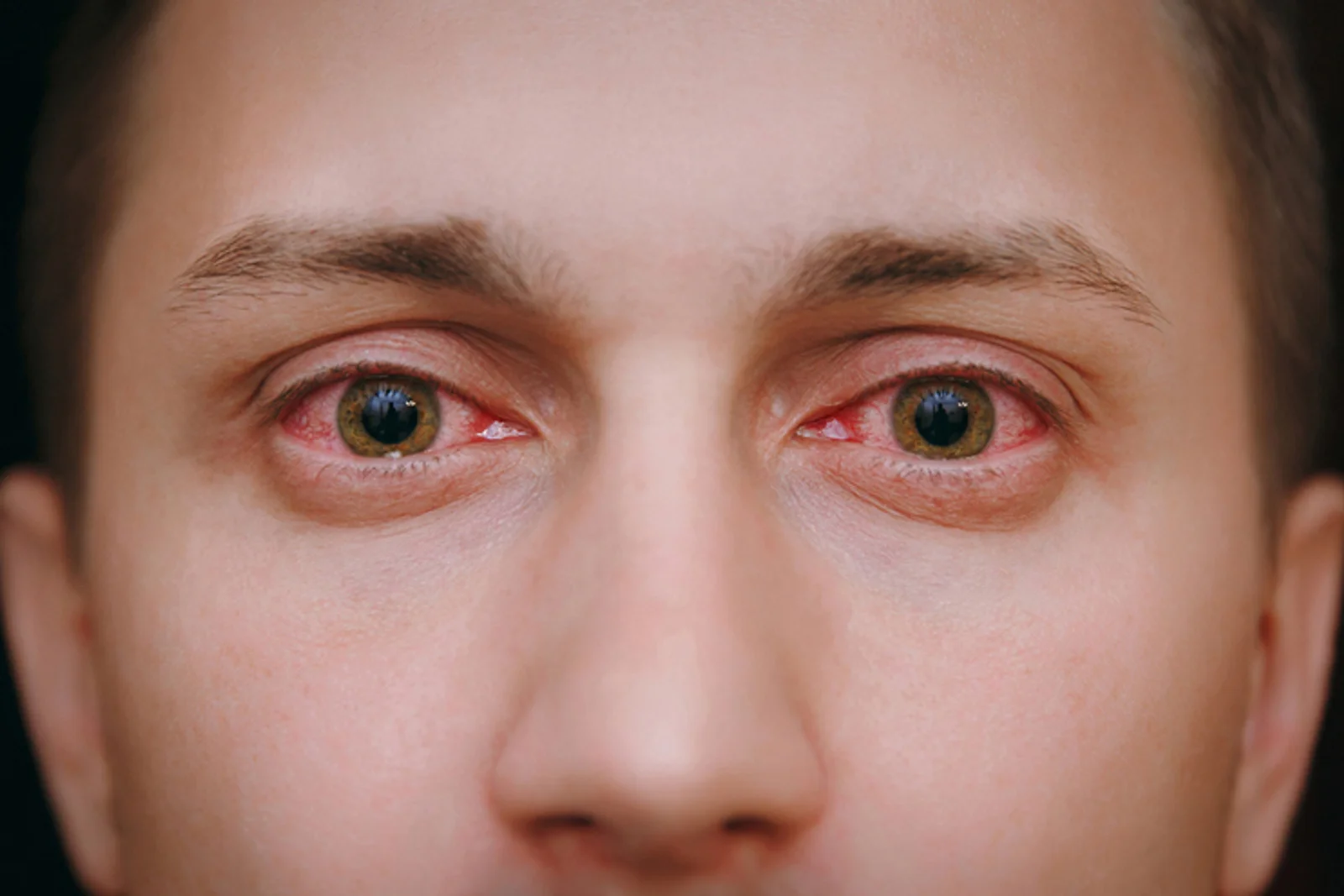
Despite being commonly misunderstood, dry eye is not simply “not enough moisture.” It’s a complex disorder of the tear film — a thin, delicate layer that coats your eye surface and is essential for clear vision.
- An oily layer from the meibomian glands
- A watery layer produced by the lacrimal glands
- A mucin layer that helps tears adhere evenly to the eye
The most common root cause: Meibomian Gland Dysfunction (MGD)
More than half of dry eye cases today are related to MGD. These tiny glands along the eyelid margins produce the essential oil that prevents tears from evaporating. When they become clogged — often due to screen use, aging, hormonal shifts, or inflammation — the tear film evaporates too quickly.
Why Dry Eye Has Become So Common Today
Dry eye has surged dramatically in recent years, especially among people in their 20s to 40s — a shift we didn’t see two decades ago. Several factors contribute to this rise:
Digital lifestyle
Korea has one of the world’s highest rates of digital device usage. Between smartphones, computers, gaming, and smart TVs, our eyes are rarely at rest.
Seasonal and environmental factors
Fine dust, air pollution, ultradry indoor heating, and air conditioning all reduce tear-film stability.
Contact lens overuse
Many young adults and teenagers wear lenses for long hours. Extended wear impairs oxygen delivery and disrupts natural lubrication.
Cosmetic and skincare habits
Certain makeup products block meibomian glands. Heavy eyelid cosmetics or improper cleansing can worsen inflammation.
Aging
Even in healthy adults, tear production decreases steadily with age, particularly after the mid-40s.
How Dry Eye Disrupts Vision in Ways People Don’t Expect
One of the main misconceptions about dry eye is that it affects comfort more than vision. But in reality, the tear film is the first optical surface of the eye. When it is unstable, vision becomes unpredictable.
Fluctuating vision
Many patients think they need new glasses because their vision sharpens and blurs throughout the day. Often the issue is not the lens prescription — it’s the tear film intermittently breaking apart.
Light sensitivity
An irritated cornea reacts strongly to light. Even soft indoor illumination can feel harsh when inflammation is present.
Redness and appearance
How We Diagnose Dry Eye at Global Ubal Eye Center
Treatments That Provide Fast and Effective Relief
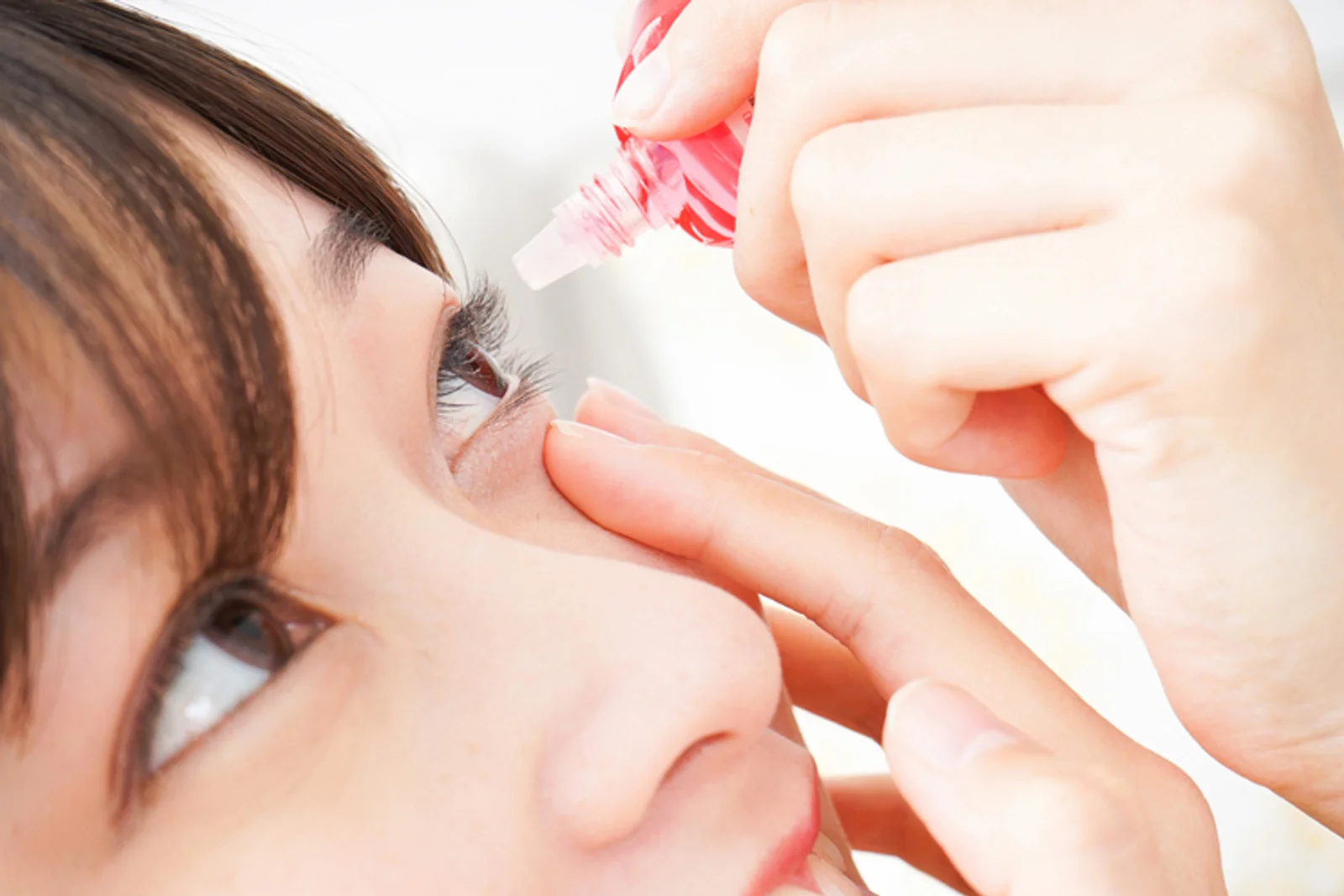
How Global Ubal Eye Center Approaches Dry Eye Differently
Conclusion: Your Eyes Can Feel Like Themselves Again
More Articles
Continue reading our ophthalmology guides and vision care insights.

SMILE vs LASIK: Recovery Benchmarks for Vision Correction Care
South Korea has solidified its position as a global epicenter for ophthalmology, with the domestic LASIK and refractive surgery market projected to reach **USD 167.37 million by 2035**, growing at a steady CAGR of 8.54%.
Learn More

Prevalence of Myopia in Korea: The Value of Dream Lens Therapy
The prevalence of myopia among young people in South Korea has reached critical levels, often described as a "myopia epidemic." According to recent data from the **Korean National Health and Nutrition Examination Survey (KNHANES)**, the prevalence of myopia...
Learn More

Multidisciplinary Care: The Future of Korean Pediatric Eye Clinics
The landscape of pediatric eye care in South Korea is shifting rapidly. With nearly **21.9% of Korean children** estimated to be affected by various visual disorders according to nationwide health screenings, the demand for specialized intervention has never...
Learn More