Comprehensive Eye Care & Vision Correction in Incheon · Multilingual International Concierge
23+ Years Clinical Experience
en-US

Ophthalmology Guide
How Clear Smile LASIK Differs from Other LASIK Procedures
Discover how Clear Smile LASIK stands apart from traditional LASIK with advanced precision, faster recovery, and no blade. Explore the benefits—book a consult today!
Schedule a ConsultationIntroduction
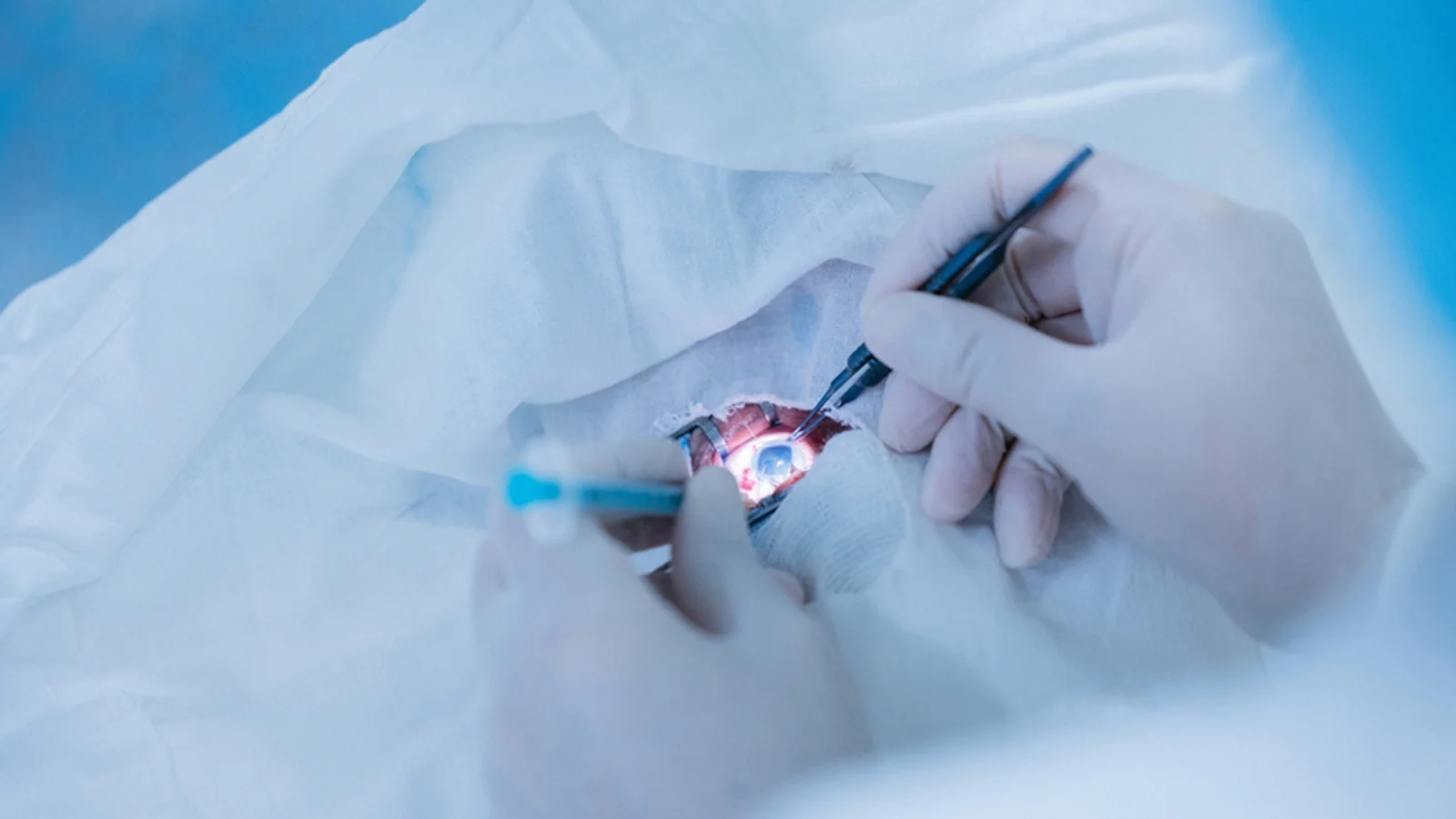
Imagine being able to see clearly the moment you wake up—no need to fumble for your glasses, no dryness from contact lenses. For many patients in Korea and around the world, that’s the promise of laser vision correction. But not all LASIK is the same. And in recent years, a newer procedure has been gaining attention for being less invasive and potentially more comfortable: Clear Smile LASIK.
Understanding LASIK: The Basics
In conventional LASIK, a flap is created on the cornea—the clear front surface of the eye—usually with a microkeratome blade or a femtosecond laser. This flap is lifted, and an excimer laser is used to reshape the underlying corneal tissue to correct nearsightedness, farsightedness, or astigmatism. The flap is then repositioned, and healing begins.
What Is Clear Smile LASIK?
Clear Smile LASIK is a next-generation laser eye surgery that corrects vision without creating a corneal flap—unlike traditional LASIK. Instead, it uses a precise, ultra-fast femtosecond laser to create a small, lens-shaped piece of tissue (called a lenticule) within the cornea. This lenticule is then removed through a micro-incision, typically just 2 to 4 millimeters wide.
How It Works
During the procedure:
Why It Matters
For patients, the experience is usually faster, quieter, and more comfortable than traditional LASIK. Visual recovery is rapid, and because the cornea stays more intact, long-term biomechanical strength is better preserved. That can mean a lower risk of dry eye, faster return to daily life, and fewer restrictions after surgery.
How Clear Smile Differs from Traditional LASIK
1. No Corneal Flap
This is perhaps the most important distinction. Because Clear Smile doesn’t involve creating or lifting a flap, the structural integrity of the cornea remains more intact. This is particularly significant for patients with thinner corneas or those who engage in contact sports, where trauma could otherwise dislodge a LASIK flap even years after surgery.
2. Smaller Incision, Less Disruption
In conventional LASIK, the flap involves an incision of around 20 millimeters in circumference. With Clear Smile, the incision is just a few millimeters wide. This means less disruption to the corneal nerves, which play a key role in tear production.
3. All-Laser, Single-Step Procedure
Clear Smile is performed entirely with a femtosecond laser—no excimer laser is involved. This contributes to surgical precision and reduces the risk of thermal damage to surrounding tissue.
4. Biomechanical Advantages
The cornea has a specific shape and strength that helps protect the eye. When a flap is cut—as in LASIK—that strength is altered. While most patients heal well, some experience long-term biomechanical changes that can increase the risk of complications, especially if there is any form of eye trauma later on.
Limitations of Clear Smile
That said, Clear Smile isn’t perfect—or suitable for everyone.
Patient Experience and Recovery
Recovery after Clear Smile tends to be smooth. Because there is no flap to reposition, patients are less restricted in their activities. Most can resume normal life—including light exercise—within a day or two.
The Global Ubal Perspective
At Global Ubal Eye Center, we don’t chase trends. We build long-term relationships with our patients, and we make recommendations based on what will serve their vision best—not what’s newest or most marketable.
Final Thoughts
Choosing the right vision correction procedure isn’t just a clinical decision—it’s a personal one. And the only way to make that decision confidently is through a comprehensive consultation with an experienced ophthalmologist.
More Articles
Continue reading our ophthalmology guides and vision care insights.

SMILE vs LASIK: Recovery Benchmarks for Vision Correction Care
South Korea has solidified its position as a global epicenter for ophthalmology, with the domestic LASIK and refractive surgery market projected to reach **USD 167.37 million by 2035**, growing at a steady CAGR of 8.54%.
Learn More

Prevalence of Myopia in Korea: The Value of Dream Lens Therapy
The prevalence of myopia among young people in South Korea has reached critical levels, often described as a "myopia epidemic." According to recent data from the **Korean National Health and Nutrition Examination Survey (KNHANES)**, the prevalence of myopia...
Learn More

Multidisciplinary Care: The Future of Korean Pediatric Eye Clinics
The landscape of pediatric eye care in South Korea is shifting rapidly. With nearly **21.9% of Korean children** estimated to be affected by various visual disorders according to nationwide health screenings, the demand for specialized intervention has never...
Learn More