Comprehensive Eye Care & Vision Correction in Incheon · Multilingual International Concierge
23+ Years Clinical Experience
en-US

Ophthalmology Guide
Glaucoma Treatment Korea: Expert Care for International Patients
Advanced glaucoma diagnosis and treatment in Korea by board-certified specialists. English-speaking international patient program at Global Ubal Eye Center.
Schedule a ConsultationIntroduction
Glaucoma is called "the silent thief of sight" because it often progresses without symptoms until significant vision loss occurs. If you've been diagnosed with glaucoma, received a concerning screening result, or have a family history of eye disease, the urgency of finding the right care and the right specialist is real.
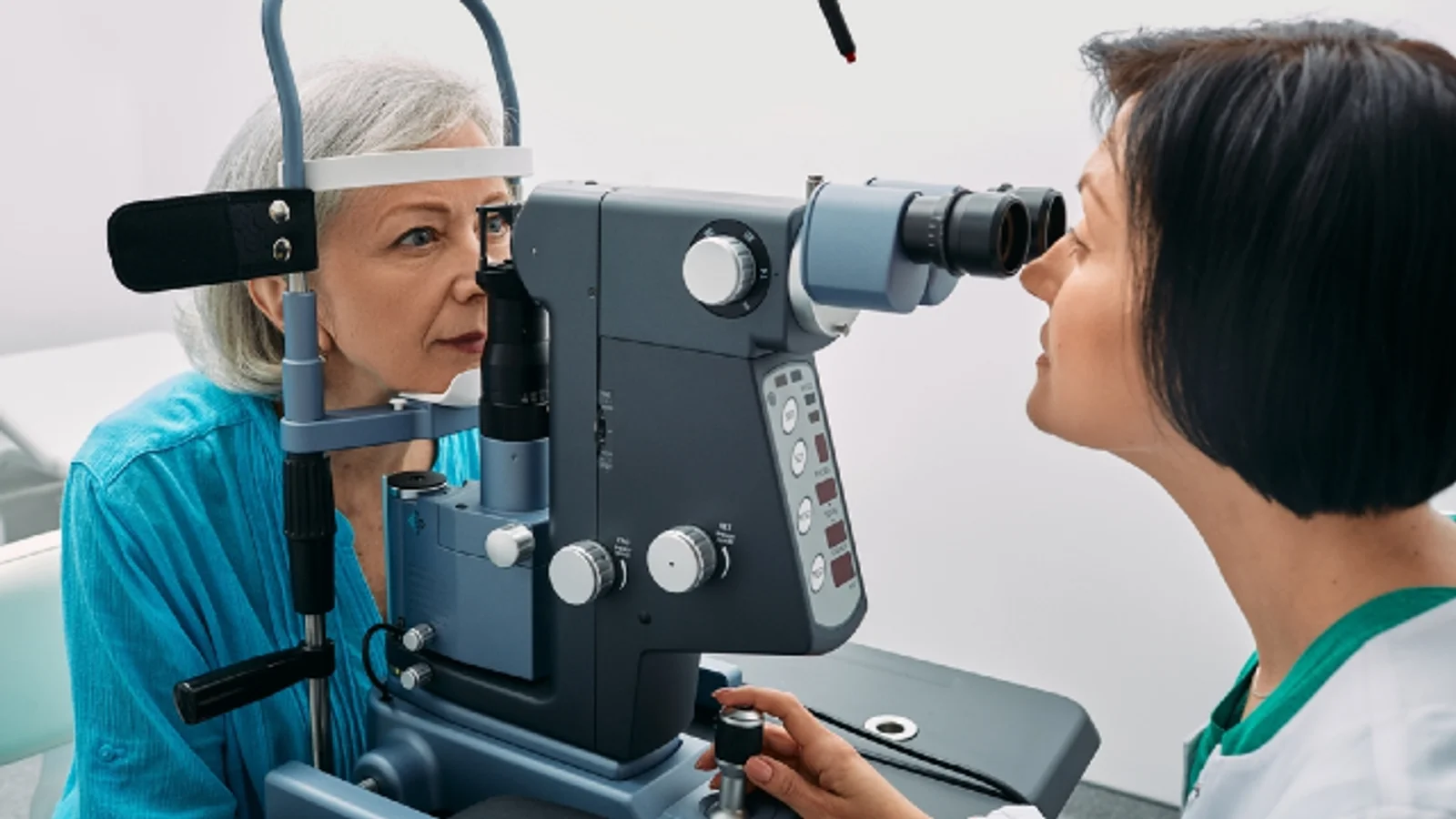
Understanding Glaucoma Treatment in Korea: Why International Patients Choose South Korea
What Is Glaucoma and How Does It Damage Vision?
Glaucoma is a progressive eye disease characterized by damage to the optic nerve, typically caused by elevated intraocular pressure (IOP), which is the fluid pressure inside the eye. To understand how glaucoma develops, it's helpful to understand the aqueous humor, a clear fluid that fills the front part of the eye.
Who Is at Risk? Screening for High-Risk Populations
Understanding your personal risk for glaucoma is the first step toward prevention. Age is one of the most significant risk factors. While glaucoma can develop at any age, risk increases significantly after age 45 and becomes dramatically higher after age 60. In fact, one in fifty people over age 60 will have glaucoma.
Why Early Detection Is Vision-Saving
The most compelling reason to pursue glaucoma screening and early detection is simple: vision loss from glaucoma is irreversible, but the disease is preventable through early detection and aggressive management. In the early stages of glaucoma, peripheral vision deteriorates first, often so gradually that patients don't notice the changes until substantial damage has occurred.
Advanced Glaucoma Diagnosis in Korea: Technology That Catches Disease Early
Comprehensive Glaucoma Screening Protocol at Global Ubal Eye Center
When you arrive for glaucoma diagnosis in Korea at Global Ubal Eye Center, you undergo the most comprehensive evaluation available anywhere in the world. The evaluation begins with a detailed patient history and risk factor interview. Our specialist asks about your symptoms (or lack thereof), family history of glaucoma or other eye diseases, medical conditions, current medications, and your lifestyle.
State-of-the-Art Imaging Technology: Equipment Specifications and Clinical Advantage
Optical Coherence Tomography represents a revolutionary advancement in eye disease detection. This technology uses light waves to create high-resolution cross-sectional images of the optic nerve and retina. Global Ubal Eye Center uses the latest-generation OCT equipment capable of detecting changes as small as 1 to 2 micrometers in nerve fiber layer thickness.
Remote Pre-Screening: Can I Know If I Need Evaluation Before I Travel?
Yes, patients can submit recent eye exams, measurements, and medical history remotely before committing to travel to Korea. Global Ubal Eye Center ophthalmologists review these records and assess preliminary risk of glaucoma or other eye conditions. A video consultation can clarify your symptoms, family history, and personal concerns in more detail than written communication alone.
Glaucoma Treatment Options Available in Korea
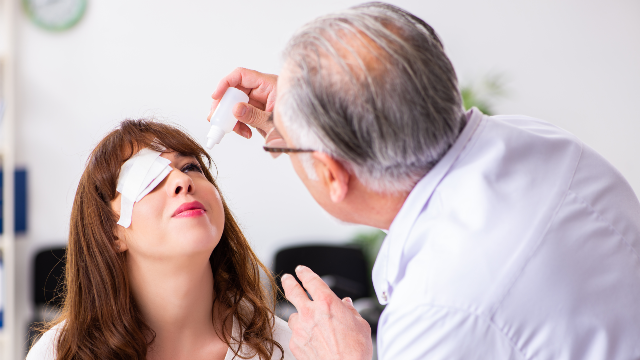
Medical Management: Eye Drops and Oral Medications
First-line treatment for most glaucoma patients involves topical eye drops. There are several classes of glaucoma medications, each working through different mechanisms. Prostaglandin analogs increase uveoscleral outflow of aqueous humor. Beta-blockers decrease aqueous humor production. Alpha-agonists both decrease production and increase outflow.
Laser Glaucoma Treatment: Minimally Invasive, Highly Effective
Laser trabeculoplasty uses focused laser energy to treat the trabecular meshwork, the eye's drainage tissue. The laser stimulates the drainage system to function more efficiently, improving aqueous humor outflow and lowering intraocular pressure. Selective laser trabeculoplasty, or SLT, is the preferred laser technique at Global Ubal Eye Center.
Glaucoma Surgery in Korea: Advanced Surgical Techniques
When medical and laser treatments have failed to achieve target intraocular pressure, glaucoma surgery becomes necessary. Trabeculectomy is considered the gold standard surgical approach for glaucoma. During this procedure, the surgeon creates an alternate drainage pathway for aqueous humor, bypassing the blocked trabecular meshwork.
Why South Korea Leads in Glaucoma Management: Clinical Excellence and Innovation
Global Ubal Eye Center's Glaucoma Program: Comprehensive Care From Diagnosis Through Lifelong Monitoring
International Patient Journey: From Uncertainty to Clarity and Beyond
Why Choose Global Ubal Eye Center For Glaucoma Treatment
How To Book Your Glaucoma Evaluation And Treatment At Global Ubal Eye Center

Frequently Asked Questions About Glaucoma Treatment in Korea
Conclusion
About the Author:
More Articles
Continue reading our ophthalmology guides and vision care insights.

SMILE vs LASIK: Recovery Benchmarks for Vision Correction Care
South Korea has solidified its position as a global epicenter for ophthalmology, with the domestic LASIK and refractive surgery market projected to reach **USD 167.37 million by 2035**, growing at a steady CAGR of 8.54%.
Learn More

Prevalence of Myopia in Korea: The Value of Dream Lens Therapy
The prevalence of myopia among young people in South Korea has reached critical levels, often described as a "myopia epidemic." According to recent data from the **Korean National Health and Nutrition Examination Survey (KNHANES)**, the prevalence of myopia...
Learn More

Multidisciplinary Care: The Future of Korean Pediatric Eye Clinics
The landscape of pediatric eye care in South Korea is shifting rapidly. With nearly **21.9% of Korean children** estimated to be affected by various visual disorders according to nationwide health screenings, the demand for specialized intervention has never...
Learn More