Comprehensive Eye Care & Vision Correction in Incheon · Multilingual International Concierge
23+ Years Clinical Experience
en-US


Ophthalmology Guide
Glaucoma Treatment & Care at Global Ubal Eye Center
Discover expert glaucoma treatment and prevention strategies at Global Ubal Eye Center in Incheon, Korea. Protect your vision with early detection and advanced care.
Schedule a ConsultationIntroduction: Protecting Your Vision from Glaucoma
Glaucoma is often called the "silent thief of sight," but this nickname doesn't quite capture the severity of the disease. It progresses quietly, often without warning, causing irreversible damage to the optic nerve. Unfortunately, millions of people worldwide are unaware they have it until it's too late.
What Is Glaucoma? Understanding the Disease

At its core, glaucoma is a group of eye diseases that progressively damage the optic nerve, which carries visual information to the brain. This damage is usually caused by elevated intraocular pressure (IOP), a condition where the eye’s fluid, called aqueous humor, doesn’t drain properly. As pressure builds, the optic nerve becomes damaged, often without any obvious symptoms until it's too late.
Recognizing the Symptoms of Glaucoma
Glaucoma’s early stages are often symptomless, making it challenging to detect without regular eye exams. However, as the disease progresses, you may notice some warning signs:
- Tunnel vision: A gradual loss of peripheral (side) vision often goes unnoticed until it becomes severe.
- Halos around lights: Particularly in angle-closure glaucoma, patients may see rainbow-colored rings around lights, a sign that pressure in the eye is too high.
- Blurred vision: Sudden spikes in pressure can lead to blurred vision or even sudden vision loss in one eye.
- Eye pain: In cases like angle-closure glaucoma, intense eye pain accompanied by nausea and vomiting may signal a medical emergency.
Risk Factors for Glaucoma
Certain factors can increase your risk of developing glaucoma:
- Age: People over 60 are at higher risk.
- Family history: A genetic predisposition, especially if a parent or sibling has glaucoma, significantly raises the likelihood of developing it.
- Ethnicity: African Americans, Hispanics, and Asians are at greater risk.
- High intraocular pressure: Consistently elevated pressure in the eye can lead to glaucoma.
- Other medical conditions: Conditions like diabetes, hypertension, and heart disease can contribute to higher risk.
- Eye injuries: Past trauma to the eye increases susceptibility.
Diagnosis of Glaucoma: What to Expect
Diagnosing glaucoma involves a series of tests that evaluate eye pressure, optic nerve health, and the visual field. Common diagnostic tests include:
- Tonometry: Measures eye pressure.
- Ophthalmoscopy: A detailed examination of the optic nerve for signs of damage.
- Perimetry: A visual field test that checks for vision loss.
- Gonioscopy: Examines the eye’s drainage angle to detect angle-closure glaucoma.
Treatment Options for Glaucoma
The treatment for glaucoma depends on the disease’s type and severity. Options include:
- Medications: The first line of treatment involves prescription eye drops or oral medications to lower intraocular pressure. These may reduce fluid production or improve fluid drainage in the eye.
- Laser treatment: Laser trabeculoplasty improves drainage and lowers eye pressure, often used for open-angle glaucoma. For angle-closure glaucoma, laser iridotomy can open up the drainage system.
- Surgical options: In more severe cases, surgical procedures like trabeculectomy or glaucoma valve surgery may be necessary to control pressure. Minimally invasive glaucoma surgeries (MIGS) like the iStent are also options for mild-to-moderate cases and offer shorter recovery times.
Innovative Glaucoma Treatment at Global Ubal Eye Center
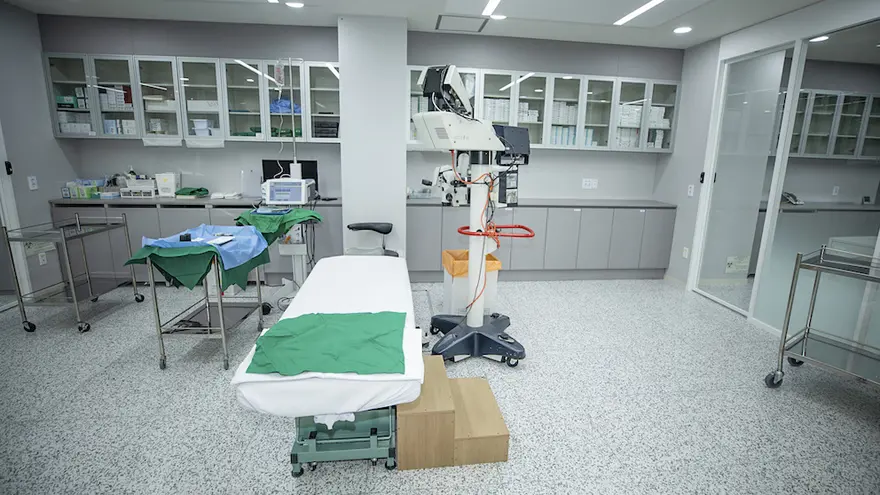
At Global Ubal Eye Center, we are proud to offer some of the most advanced glaucoma treatments available. Under the guidance of Dr. Heecheol Bae, our team uses cutting-edge laser therapies like Selective Laser Trabeculoplasty (SLT) and innovative devices such as the iStent to improve fluid drainage and manage eye pressure effectively.
Preventing Vision Loss from Glaucoma

Living with Glaucoma: Coping Strategies
Conclusion: Safeguarding Your Vision
More Articles
Continue reading our ophthalmology guides and vision care insights.

SMILE vs LASIK: Recovery Benchmarks for Vision Correction Care
South Korea has solidified its position as a global epicenter for ophthalmology, with the domestic LASIK and refractive surgery market projected to reach **USD 167.37 million by 2035**, growing at a steady CAGR of 8.54%.
Learn More

Prevalence of Myopia in Korea: The Value of Dream Lens Therapy
The prevalence of myopia among young people in South Korea has reached critical levels, often described as a "myopia epidemic." According to recent data from the **Korean National Health and Nutrition Examination Survey (KNHANES)**, the prevalence of myopia...
Learn More

Multidisciplinary Care: The Future of Korean Pediatric Eye Clinics
The landscape of pediatric eye care in South Korea is shifting rapidly. With nearly **21.9% of Korean children** estimated to be affected by various visual disorders according to nationwide health screenings, the demand for specialized intervention has never...
Learn More