Comprehensive Eye Care & Vision Correction in Incheon · Multilingual International Concierge
23+ Years Clinical Experience
en-US

Ophthalmology Guide
Glaucoma Screening After 40: Protect Your Vision Early
Glaucoma screenings are essential for those over 40. Early detection can prevent vision loss. Learn why screenings are crucial and how Global Ubal Eye Center can help.
Schedule a ConsultationIntroduction
Glaucoma, often referred to as the "silent thief of sight," is a leading cause of irreversible blindness worldwide. This progressive eye condition can damage the optic nerve and steal vision without noticeable symptoms. For many people, the condition remains undetected until significant damage has occurred.
What Is Glaucoma and Why Is Early Detection Important?
Glaucoma is a group of eye diseases that primarily damage the optic nerve due to elevated intraocular pressure (IOP). The optic nerve transmits visual information to the brain, and when it becomes compromised, vision loss follows. Most forms of glaucoma develop gradually, often without any obvious signs in the early stages.
Understanding the Risk Factors for Glaucoma
As we age, the risk of developing glaucoma rises. The eye's drainage system, which regulates IOP, can become less efficient with time, leading to an increase in eye pressure. In addition, age-related changes in the optic nerve make it more susceptible to damage. For individuals over 40, routine glaucoma screenings are crucial, as this is when the risk of developing glaucoma becomes significantly higher.
The Importance of Regular Eye Exams
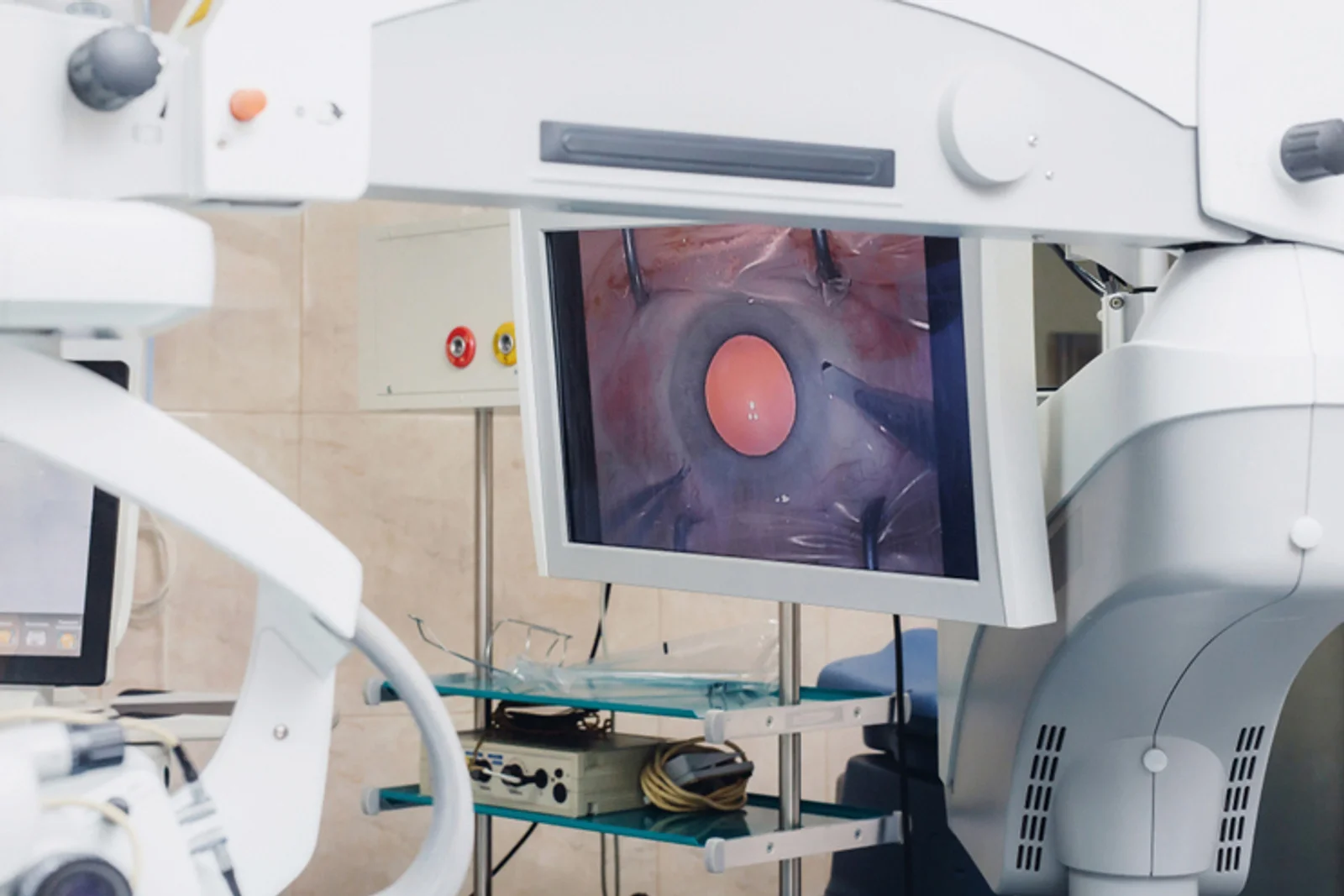
Routine eye exams are essential for maintaining overall eye health, and they become even more important as you age. These exams can help catch glaucoma in its early stages, preventing irreversible vision loss. At Global Ubal Eye Center, we offer comprehensive eye exams, which include several specialized tests to evaluate your eye pressure, optic nerve health, and peripheral vision.
- Tonometry: This test measures the intraocular pressure to check for signs of glaucoma. Elevated pressure is a primary risk factor.
- Ophthalmoscopy: The ophthalmologist inspects the optic nerve to identify any damage indicative of glaucoma.
- Visual Field Test: This test helps detect early signs of peripheral vision loss, often the first symptom of glaucoma.
- Pachymetry: By measuring the thickness of the cornea, this test can provide additional information on your glaucoma risk.
How Early Detection Saves Vision
When glaucoma is identified early, its progression can often be controlled with medications, laser treatments, or surgery. Lowering intraocular pressure helps prevent further damage to the optic nerve and can preserve your vision for years to come. The sooner treatment begins, the better the outcome, with many patients able to maintain healthy vision long into their senior years.
What If You Have a Family History of Glaucoma?
If you have a family history of glaucoma, your risk of developing the condition increases, particularly after age 40. Genetic factors and family history assessments play an important role in your screening schedule. At Global Ubal Eye Center, we take a personalized approach, offering genetic testing and risk evaluations to determine the optimal time to begin screenings.
Glaucoma Prevention Tips
While you cannot entirely prevent glaucoma, there are several lifestyle habits that can help reduce your risk:
- Exercise Regularly: Physical activity improves circulation and helps regulate intraocular pressure. Even a brisk walk each day can benefit your eye health.
- Maintain Healthy Blood Pressure: High blood pressure is a known risk factor for glaucoma. Regular monitoring and a heart-healthy lifestyle can help keep your blood pressure within a normal range.
- Eat a Nutrient-Rich Diet: A diet high in antioxidants, vitamins, and omega-3 fatty acids can support eye health. Include plenty of fruits, vegetables, and fish to nourish your eyes.
- Avoid Smoking: Smoking is a significant contributor to many health conditions, including glaucoma. Quitting smoking can help protect your vision.
Treatment Options for Glaucoma
Should glaucoma be detected, various treatment options are available, depending on the type and severity. Treatment aims to lower intraocular pressure to prevent further damage. Common treatments include:
Success Stories from Global Ubal Eye Center

Frequently Asked Questions
Conclusion
More Articles
Continue reading our ophthalmology guides and vision care insights.

SMILE vs LASIK: Recovery Benchmarks for Vision Correction Care
South Korea has solidified its position as a global epicenter for ophthalmology, with the domestic LASIK and refractive surgery market projected to reach **USD 167.37 million by 2035**, growing at a steady CAGR of 8.54%.
Learn More

Prevalence of Myopia in Korea: The Value of Dream Lens Therapy
The prevalence of myopia among young people in South Korea has reached critical levels, often described as a "myopia epidemic." According to recent data from the **Korean National Health and Nutrition Examination Survey (KNHANES)**, the prevalence of myopia...
Learn More

Multidisciplinary Care: The Future of Korean Pediatric Eye Clinics
The landscape of pediatric eye care in South Korea is shifting rapidly. With nearly **21.9% of Korean children** estimated to be affected by various visual disorders according to nationwide health screenings, the demand for specialized intervention has never...
Learn More