Comprehensive Eye Care & Vision Correction in Incheon · Multilingual International Concierge
23+ Years Clinical Experience
en-US

Ophthalmology Guide
Everything About Toric Lens Implants for Astigmatism Correction
Discover everything about toric lens implants for astigmatism correction—how they work, benefits, risks, and who qualifies. Improve your vision today!
Schedule a ConsultationIntroduction: When Astigmatism and Cataracts Collide
If you've ever struggled with blurry or distorted vision—and later found out you also have a cataract—you're not alone. It’s a common double dilemma. Many patients are surprised to learn that their distorted vision isn't only due to cataracts, but also because of astigmatism, a condition where the eye's surface isn’t perfectly round.
What is a Toric Lens Implant?
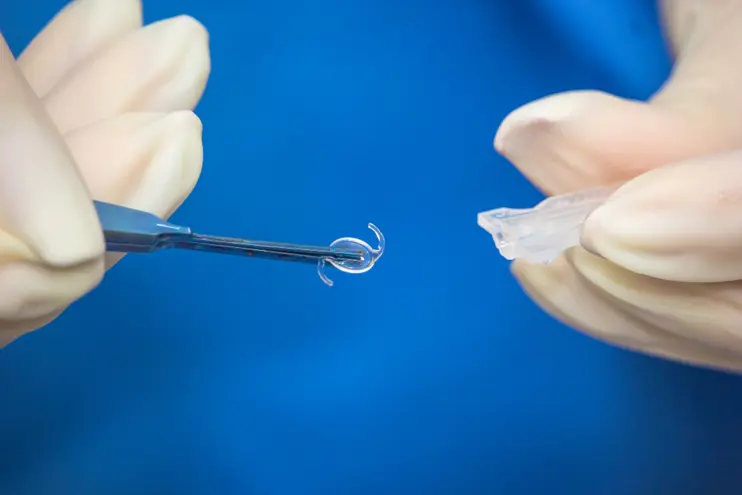
A toric intraocular lens is a specially designed artificial lens that corrects not only the clouded natural lens (in the case of a cataract) but also neutralizes pre-existing astigmatism. In a healthy eye, light focuses cleanly on the retina because the cornea and lens are evenly shaped.
Why Patients with Astigmatism Should Consider Toric IOLs
The Burden of Astigmatism
Even moderate levels of astigmatism (1.0 diopter or more) can blur both near and far vision. If a standard lens implant is used during cataract surgery without correcting astigmatism, patients often find themselves needing glasses for most daily tasks—and may still experience glare or halos, especially at night.
Clinical Benefits of Toric IOLs
- Improved uncorrected distance vision: Many patients can see clearly without glasses, especially for driving and walking.
- Reduced need for corrective lenses: This is particularly meaningful for patients who dislike wearing glasses or have had difficulty with contact lenses.
- Lower risk of postoperative visual distortion: Including fewer reports of halos, glare, and image doubling.
How the Process Works at Our Clinic
Step 1: Preoperative Assessment
Your journey begins with a comprehensive diagnostic exam. Here’s what we check:
- Corneal topography: We map the shape of the cornea to understand the type and axis of your astigmatism.
- Axial length and biometry: This tells us the dimensions of your eye to help select the proper IOL power.
- Wavefront analysis: For more complex cases, we use this to understand higher-order aberrations.
- Dry eye testing: Because the surface of your eye must be stable for accurate measurements.
- Lifestyle consultation: We discuss your visual goals—do you want to reduce glasses for distance, near, or both?
Step 2: Lens Planning
We use state-of-the-art calculation software to determine the right toric lens model, power, and alignment axis. At Global Ubal Eye Center, we incorporate data from multiple devices (IOLMaster, Pentacam, Galilei) to increase precision.
Step 3: The Surgery Itself
Toric IOL implantation follows the same general procedure as cataract surgery:
- Anesthesia: Typically via numbing drops and sometimes mild sedation.
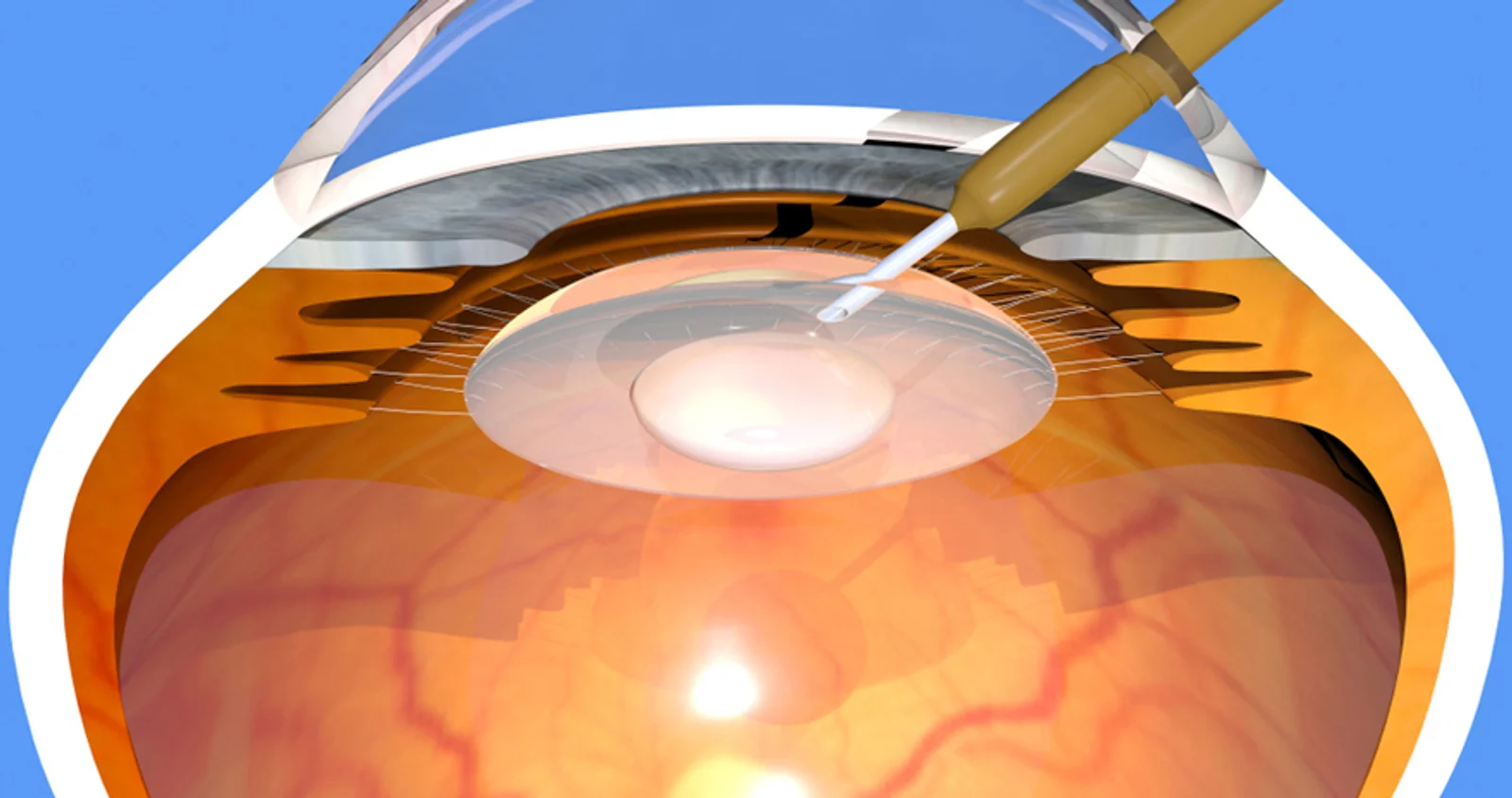
- Phacoemulsification: We remove the natural cloudy lens using ultrasound.
- Lens insertion: The toric IOL is carefully inserted into the lens capsule.
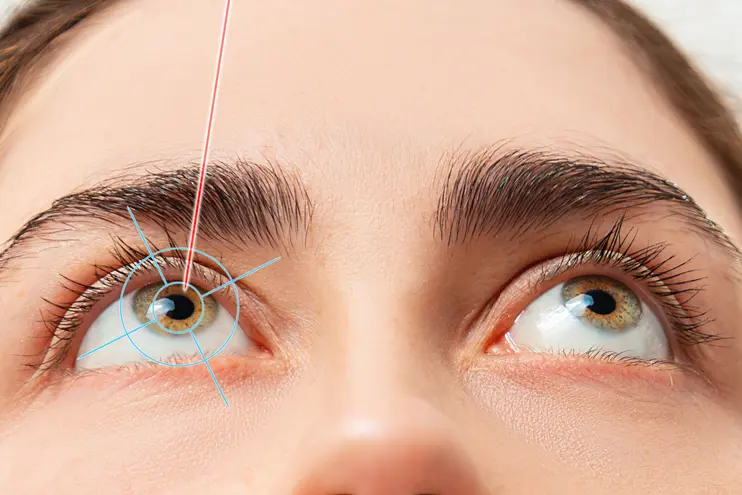
- Axis alignment: We rotate the IOL to match your astigmatism's meridian using laser or digital guidance.
Step 4: Postoperative Monitoring
- First-day check: We assess the eye pressure, vision, and lens position.
- One-week and one-month visits: We ensure the IOL hasn’t rotated and monitor healing.
- Final refraction: At about 6–8 weeks, we check for residual refractive error and discuss reading aids if necessary.
Who is a Good Candidate for a Toric IOL?
Ideal candidates include:
- Adults undergoing cataract surgery with regular astigmatism
- Patients seeking greater independence from glasses
- Individuals with healthy retinas and no significant corneal disease
Realistic Outcomes & Long-Term Expectations
Toric IOLs don’t eliminate astigmatism entirely in every case—but they can reduce it dramatically. Clinical results show:
- Residual astigmatism often reduced to ≤0.50 D
- Uncorrected distance vision frequently good enough for driving, walking, and watching TV without glasses
- Reading glasses still needed unless a multifocal toric lens is chosen
Our Approach at Global Ubal Eye Center
Frequently Asked Questions
Conclusion: A Clearer Future with the Right Lens
More Articles
Continue reading our ophthalmology guides and vision care insights.

SMILE vs LASIK: Recovery Benchmarks for Vision Correction Care
South Korea has solidified its position as a global epicenter for ophthalmology, with the domestic LASIK and refractive surgery market projected to reach **USD 167.37 million by 2035**, growing at a steady CAGR of 8.54%.
Learn More

Prevalence of Myopia in Korea: The Value of Dream Lens Therapy
The prevalence of myopia among young people in South Korea has reached critical levels, often described as a "myopia epidemic." According to recent data from the **Korean National Health and Nutrition Examination Survey (KNHANES)**, the prevalence of myopia...
Learn More

Multidisciplinary Care: The Future of Korean Pediatric Eye Clinics
The landscape of pediatric eye care in South Korea is shifting rapidly. With nearly **21.9% of Korean children** estimated to be affected by various visual disorders according to nationwide health screenings, the demand for specialized intervention has never...
Learn More