Comprehensive Eye Care & Vision Correction in Incheon · Multilingual International Concierge
23+ Years Clinical Experience
en-US

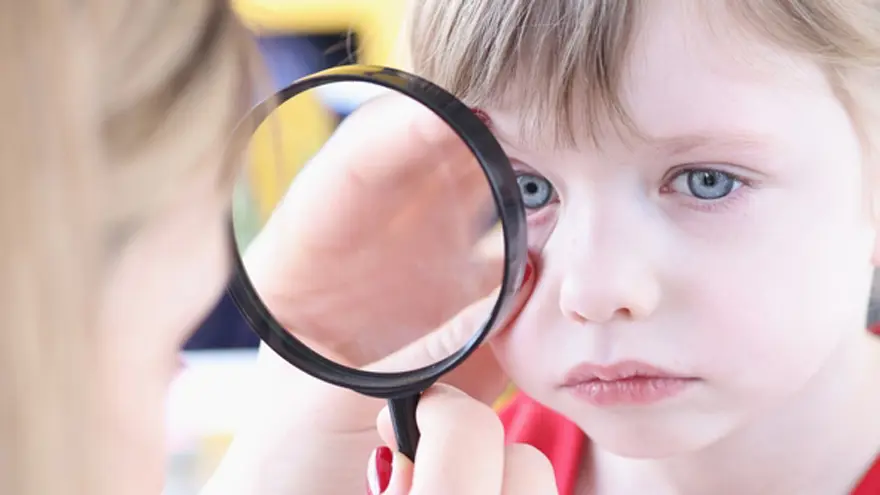
Ophthalmology Guide
Ensure Healthy Vision: Pediatric Eye Exams for Your Child's Growth
Early pediatric eye exams are essential for your child's development. Detect vision issues early to improve learning, social interaction, and overall well-being.
Schedule a ConsultationIntroduction:
Imagine this: Your child struggles to read the board at school, misses out on social activities because of difficulty recognizing faces, or frequently complains of headaches. These may be subtle signs of vision problems that can go unnoticed without regular eye exams. A mother, Sarah, recalls how her 8-year-old daughter, Emma, had difficulty concentrating in class. After an eye exam, it was revealed that Emma had undiagnosed nearsightedness, which was affecting her ability to participate fully in class. With the right corrective lenses, Emma’s grades and confidence improved dramatically. This story highlights how early detection of vision issues can transform a child's educational experience and quality of life. Pediatric eye exams are a vital step in ensuring that your child can grow, learn, and thrive without limitations.
Why Pediatric Eye Exams Are Crucial
Pediatric eye exams are far more than just a routine check-up. They are fundamental to your child’s overall development, with lasting benefits for their learning, behavior, and well-being. Here’s why:
Signs Your Child Might Have Vision Problems
As a parent, you may notice that your child is not performing as well as they could at school or may seem overly tired or irritable. These could be signs of a vision problem. If you observe any of the following, it’s worth scheduling an eye exam:
Behavioral Indicators:
- Frequently squinting or blinking
- Sitting very close to the TV or holding books too close
- Complaints of headaches or eye pain after reading or using electronic devices
- Avoiding tasks that require sustained visual attention, such as homework or reading
Physical Clues:
- Excessive rubbing of the eyes
- One eye turning inward or outward, or seeming to "wander"
- Struggling with hand-eye coordination or frequently tripping over things
Academic or Social Impacts:
- Difficulty concentrating or getting easily distracted in class
- Trouble recognizing people or objects from a distance
- Slow reading or challenges with understanding what is read
These are just a few examples of the signs that your child might be experiencing vision problems. While not all of them necessarily indicate serious issues, it’s important to address them promptly with an eye exam.
What to Expect During a Pediatric Eye Exam
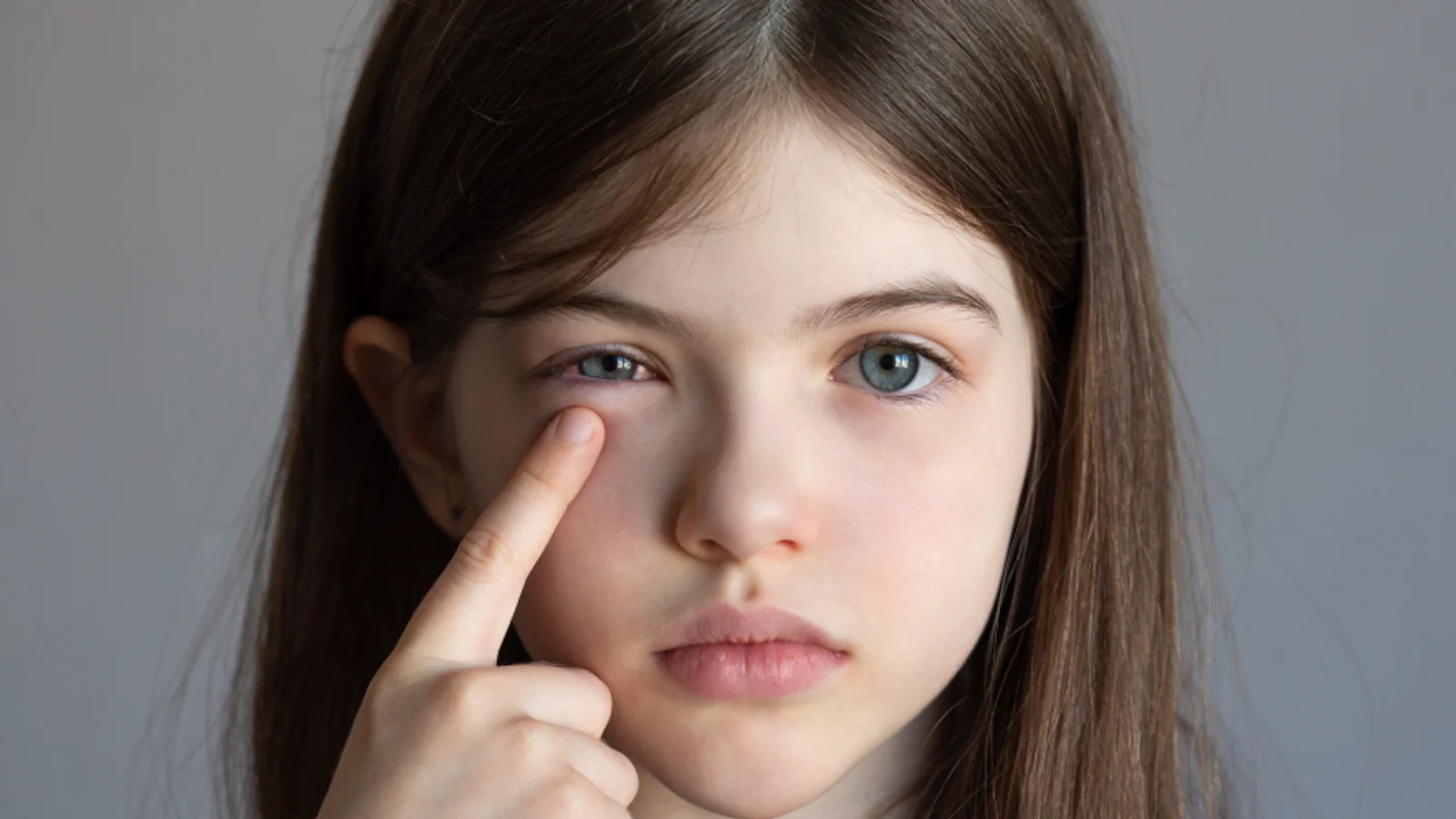
A pediatric eye exam should be a positive experience for both children and parents. Here’s what typically happens during an exam:
By making the exam experience as engaging and stress-free as possible, children are more likely to have a positive experience, making future exams easier.
Common Eye Conditions in Children and Their Treatment
Several eye conditions are common among children, and recognizing them early ensures better treatment outcomes. Here’s a look at some of the most common:
The Role of Pediatric Eye Specialists
Pediatric ophthalmologists and optometrists specialize in diagnosing and treating vision issues in children. Here's a deeper look at their roles:
- Pediatric Ophthalmologists: These medical doctors (MDs) specialize in treating eye diseases and performing surgery if needed. They are often consulted for complex eye conditions, including strabismus or cataracts.
- Pediatric Optometrists: Optometrists (ODs) focus on vision testing, prescribing corrective lenses, and monitoring eye health. They are often the first point of contact for general vision care and can manage conditions like refractive errors or mild strabismus.
Both professionals are essential in ensuring your child’s eye health, and in some cases, they may work together to provide the best care.
Conclusion: Prioritize Your Child’s Eye Health Today
Your child’s vision is crucial for their academic success, social interactions, and overall well-being. Ignoring or delaying eye exams can result in undiagnosed vision problems that may affect their growth and development. By scheduling regular pediatric eye exams, you are taking a proactive step in ensuring your child’s eyes develop properly, and any issues are addressed before they impact their future.
Early detection of vision problems can lead to effective treatments that improve not only your child’s eyesight but also their confidence and ability to engage fully in school and social activities. Whether it’s correcting nearsightedness, addressing lazy eye, or simply ensuring that your child’s vision is on track, pediatric eye exams play an essential role in safeguarding their future.
More Articles
Continue reading our ophthalmology guides and vision care insights.

SMILE vs LASIK: Recovery Benchmarks for Vision Correction Care
South Korea has solidified its position as a global epicenter for ophthalmology, with the domestic LASIK and refractive surgery market projected to reach **USD 167.37 million by 2035**, growing at a steady CAGR of 8.54%.
Learn More

Prevalence of Myopia in Korea: The Value of Dream Lens Therapy
The prevalence of myopia among young people in South Korea has reached critical levels, often described as a "myopia epidemic." According to recent data from the **Korean National Health and Nutrition Examination Survey (KNHANES)**, the prevalence of myopia...
Learn More

Multidisciplinary Care: The Future of Korean Pediatric Eye Clinics
The landscape of pediatric eye care in South Korea is shifting rapidly. With nearly **21.9% of Korean children** estimated to be affected by various visual disorders according to nationwide health screenings, the demand for specialized intervention has never...
Learn More