Comprehensive Eye Care & Vision Correction in Incheon · Multilingual International Concierge
23+ Years Clinical Experience
en-US


Ophthalmology Guide
Effective Treatments for Dry Eye Syndrome That Actually Work
Discover effective treatments for Dry Eye Syndrome that provide lasting relief, from artificial tears and warm compresses to prescription medications and advanced therapies like punctal plugs and intense pulsed light.
Schedule a ConsultationIntroduction
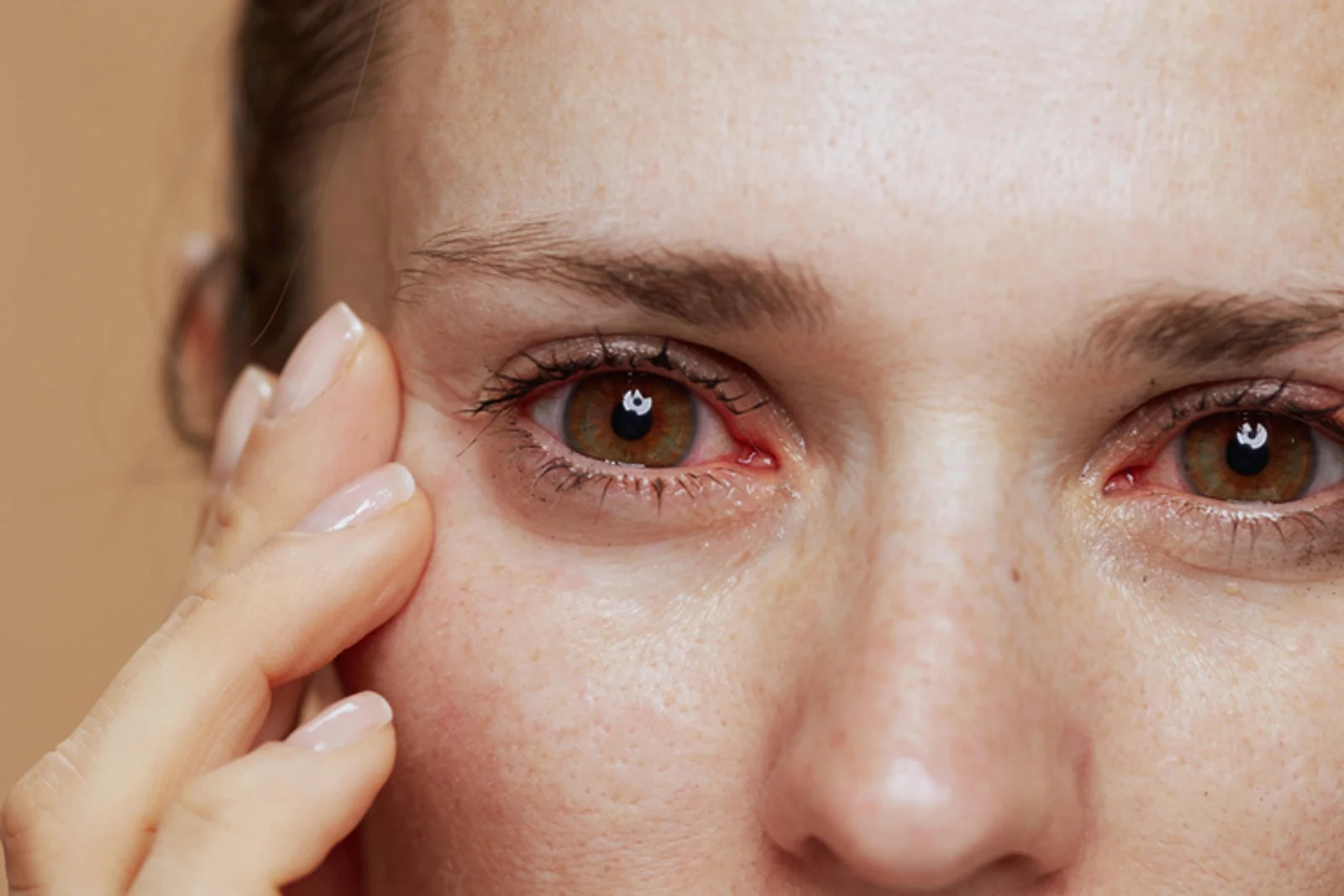
Dry Eye Syndrome (DES) is a prevalent condition that affects millions of people worldwide. It occurs when the eyes do not produce enough tears or when the tears evaporate too quickly, leading to irritation, discomfort, and sometimes more serious complications. Dry eyes can manifest as a sensation of grittiness, burning, itching, blurred vision, and redness.
Artificial Tears and Lubricating Drops
Artificial tears are often the first line of defense when it comes to treating Dry Eye Syndrome. These over-the-counter solutions help to lubricate the eye's surface, providing temporary relief from the discomfort caused by dryness. There are many different types of artificial tears, including those with preservatives for occasional use and preservative-free options for frequent use.
Prescription Medications
If over-the-counter artificial tears aren't enough, your doctor may recommend prescription medications to help manage Dry Eye Syndrome. These medications can either increase tear production or address underlying inflammation.
- Restasis (Cyclosporine A): This prescription eye drop reduces inflammation in the tear glands, allowing the body to produce more natural tears. It is most effective when used consistently and for an extended period of time.
- Xiidra (Lifitegrast): Another prescription option that targets inflammation on the surface of the eye. Xiidra works by blocking specific proteins that contribute to the inflammatory response in Dry Eye Syndrome, helping to increase tear production.
- Steroid Drops: Steroids may be prescribed to reduce inflammation during acute flare-ups of dry eye symptoms. However, they are typically used for short periods to avoid side effects like increased intraocular pressure or cataract formation.
Punctal Plugs
For individuals whose dry eye symptoms are more severe or persistent, punctal plugs may be recommended. These tiny devices are inserted into the tear ducts to block the drainage of tears, allowing moisture to remain on the surface of the eyes for longer periods. Punctal plugs can be either temporary or permanent, and they come in different sizes to suit individual needs.
Meibomian Gland Expression
Meibomian Gland Dysfunction (MGD) is one of the most common causes of Dry Eye Syndrome, especially in older adults. This condition occurs when the oil-producing glands in the eyelids (the meibomian glands) become clogged or dysfunctional, leading to poor-quality tears that evaporate too quickly.
Lipiflow Treatment
Lipiflow is a revolutionary, FDA-approved treatment designed specifically for those with Meibomian Gland Dysfunction. This procedure uses heat and gentle pressure to massage the eyelids and clear blockages from the meibomian glands. It can significantly improve the function of the glands and increase tear quality, leading to long-term relief from dry eye symptoms.
Warm Compresses and Eyelid Hygiene
For individuals who suffer from mild to moderate dry eye, warm compresses and eyelid hygiene can be highly effective. Applying a warm compress to the eyelids helps to soften and release oils from the meibomian glands, improving tear quality. Additionally, gently cleaning the eyelids with a specially formulated lid scrub can help remove debris, bacteria, and oils that can contribute to blocked glands.
Omega-3 Fatty Acids
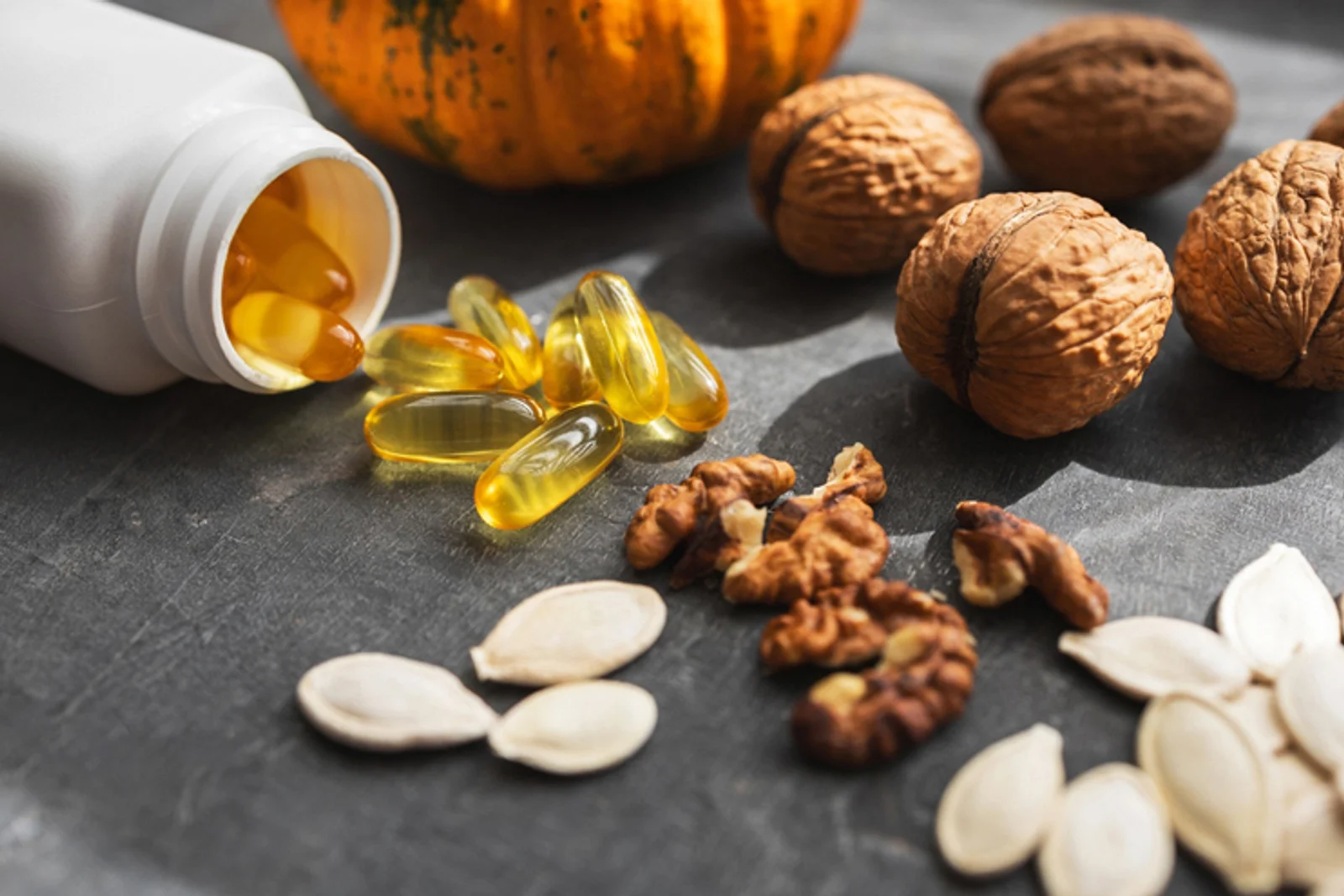
Omega-3 fatty acids, found in fish oil and flaxseed oil supplements, have been shown to have anti-inflammatory properties that may help to reduce dry eye symptoms. They can help regulate the function of the meibomian glands, enhance tear production, and improve the overall health of the tear film. Incorporating omega-3 fatty acids into your diet can be a natural and effective way to manage Dry Eye Syndrome.
Autologous Serum Eye Drops
Autologous serum eye drops are made from the patient's own blood serum and are used as a more natural alternative to artificial tears. These drops are particularly useful for individuals with severe dry eye caused by underlying conditions such as autoimmune diseases, or for those who experience significant damage to the surface of the eye.
Why Choose Global Ubal?
Conclusion
More Articles
Continue reading our ophthalmology guides and vision care insights.

SMILE vs LASIK: Recovery Benchmarks for Vision Correction Care
South Korea has solidified its position as a global epicenter for ophthalmology, with the domestic LASIK and refractive surgery market projected to reach **USD 167.37 million by 2035**, growing at a steady CAGR of 8.54%.
Learn More

Prevalence of Myopia in Korea: The Value of Dream Lens Therapy
The prevalence of myopia among young people in South Korea has reached critical levels, often described as a "myopia epidemic." According to recent data from the **Korean National Health and Nutrition Examination Survey (KNHANES)**, the prevalence of myopia...
Learn More

Multidisciplinary Care: The Future of Korean Pediatric Eye Clinics
The landscape of pediatric eye care in South Korea is shifting rapidly. With nearly **21.9% of Korean children** estimated to be affected by various visual disorders according to nationwide health screenings, the demand for specialized intervention has never...
Learn More