Comprehensive Eye Care & Vision Correction in Incheon · Multilingual International Concierge
23+ Years Clinical Experience
en-US

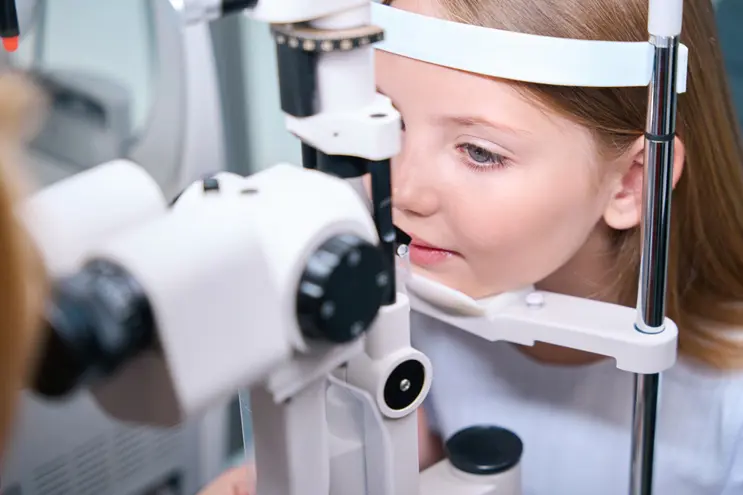
Ophthalmology Guide
Early Detection of Eye Conditions: Why Pediatric Eye Exams Matter
Ensure your child’s vision health with early pediatric eye exams. Detect eye conditions early for lifelong clarity and success—learn more today!
Schedule a ConsultationIntroduction
When parents think about their child’s health, they often focus on nutrition, growth milestones, or academic readiness. Yet vision, one of the most vital senses for learning and development, can sometimes be overlooked. Good eyesight is not just about seeing clearly — it’s about giving children the ability to read, explore, interact, and understand the world with confidence.
Why Pediatric Eye Health Is Different
Children are not simply “small adults.” Their eyes and visual pathways are still developing, especially during the first decade of life. This stage is when the brain learns how to process and interpret visual signals. If one eye is weaker or misaligned, the brain may suppress it, leading to amblyopia (commonly known as “lazy eye”).
Signs Parents Might Miss
Unlike adults, children rarely articulate vision problems in words. Instead, their behavior often tells the story. Common but often overlooked signs include:
- Tilting the head or covering one eye while reading or watching TV
- Sitting unusually close to screens or books
- Excessive eye rubbing unrelated to tiredness
- Complaints of frequent headaches
- Difficulty maintaining attention on visual tasks
The Critical Window for Early Detection
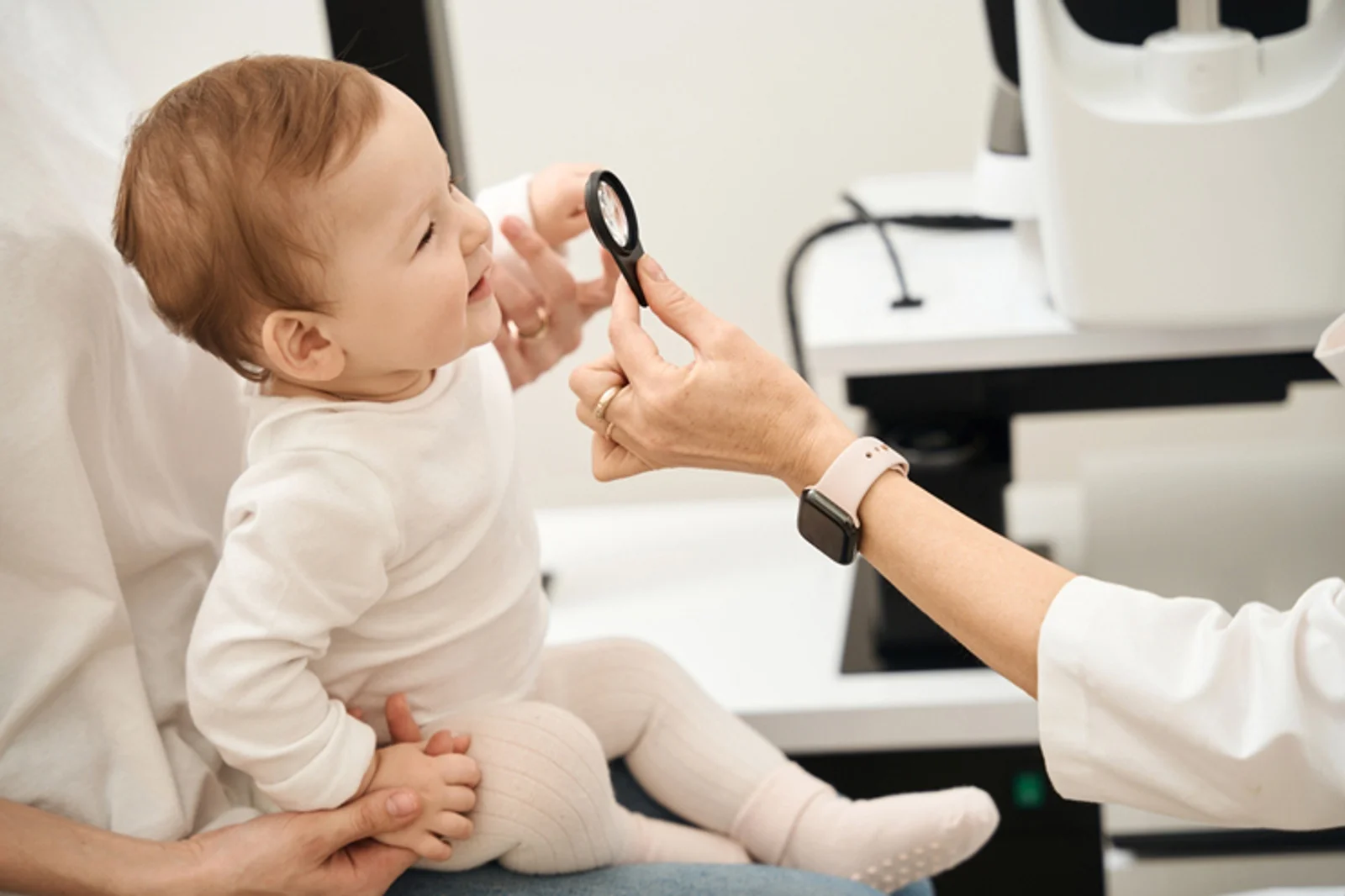
Ophthalmologists emphasize the importance of the “critical period” — the time before the age of 7 or 8 when the visual system is most adaptable. During this time, interventions such as glasses, patching, or vision therapy are highly effective. Once the window closes, untreated conditions can become permanent, leaving children with lifelong vision impairment.
Why School Screenings Are Not Enough
Many parents assume school vision checks are sufficient. While useful for identifying obvious nearsightedness, these screenings miss more subtle but equally important conditions. For example, a child can pass a basic test and still suffer from amblyopia or convergence insufficiency (eye teaming problems).
Cultural and Educational Impact
In Korea, where educational achievement carries significant importance, vision problems can have an outsized impact. A child who cannot see clearly may avoid reading, fall behind in class, or be unfairly labeled as inattentive. For international families we care for — whether from Mongolia, Russia, Japan, or beyond — discovering that their child’s struggles were vision-related often brings immense relief.
Global Perspective: Rising Myopia and Childhood Vision Concerns
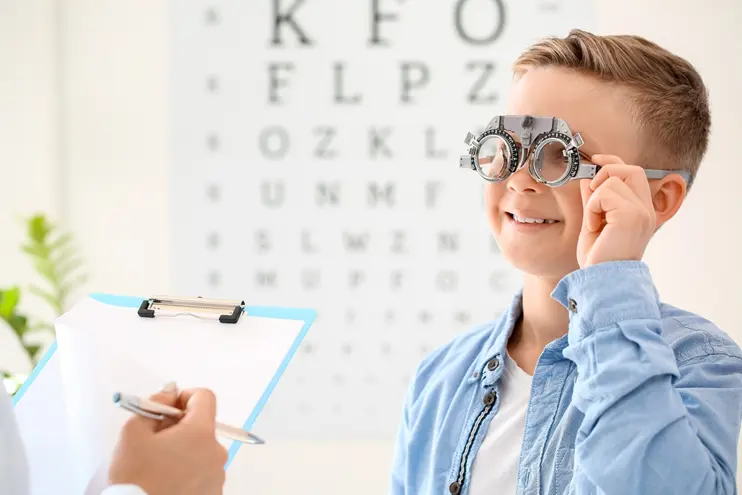
Globally, pediatric eye health is gaining more attention because of rising rates of myopia (nearsightedness). According to international studies, nearly half of young people in East Asia are now myopic, a number that continues to grow with increased screen use and reduced outdoor activity. In Korea, the rate is even higher, with some studies suggesting up to 80% of teenagers require corrective lenses.
The Role of Parents in Lifelong Eye Health
Parents hold the key to prevention. Scheduling the first comprehensive eye exam before school entry and maintaining follow-up visits every 1–2 years can make an enormous difference. This is especially crucial for children with a family history of eye diseases or vision problems. To be honest, it’s not always about using the most advanced surgical tools — although we rely on them when necessary.
Compassionate Care at Global Ubal Eye Center
With over 23 years of expertise, Global Ubal Eye Center has built a reputation for precision and trust. Under the guidance of Dr. Heecheol Bae, our team specializes in pediatric ophthalmology with a focus on early detection, accurate diagnosis, and personalized care. We know that children need a safe and reassuring environment, so we take the time to explain procedures gently and clearly.
Conclusion: An Investment in Your Child’s Future
Clear vision is not a luxury for children — it is the foundation for learning, growth, and self-confidence. The earlier eye conditions are detected, the more effective and lasting the treatment. As parents, ensuring your child receives timely and comprehensive eye care is one of the most powerful steps you can take for their future.
More Articles
Continue reading our ophthalmology guides and vision care insights.

SMILE vs LASIK: Recovery Benchmarks for Vision Correction Care
South Korea has solidified its position as a global epicenter for ophthalmology, with the domestic LASIK and refractive surgery market projected to reach **USD 167.37 million by 2035**, growing at a steady CAGR of 8.54%.
Learn More

Prevalence of Myopia in Korea: The Value of Dream Lens Therapy
The prevalence of myopia among young people in South Korea has reached critical levels, often described as a "myopia epidemic." According to recent data from the **Korean National Health and Nutrition Examination Survey (KNHANES)**, the prevalence of myopia...
Learn More

Multidisciplinary Care: The Future of Korean Pediatric Eye Clinics
The landscape of pediatric eye care in South Korea is shifting rapidly. With nearly **21.9% of Korean children** estimated to be affected by various visual disorders according to nationwide health screenings, the demand for specialized intervention has never...
Learn More