Comprehensive Eye Care & Vision Correction in Incheon · Multilingual International Concierge
23+ Years Clinical Experience
en-US

Ophthalmology Guide
Early Detection of Eye Conditions in Kids: Why Eye Exams Matter
Ensure your child’s healthy vision with early detection of eye conditions. Discover why regular eye exams matter for kids’ development—learn more today!
Schedule a ConsultationIntroduction: The Unseen Struggles of Childhood Vision
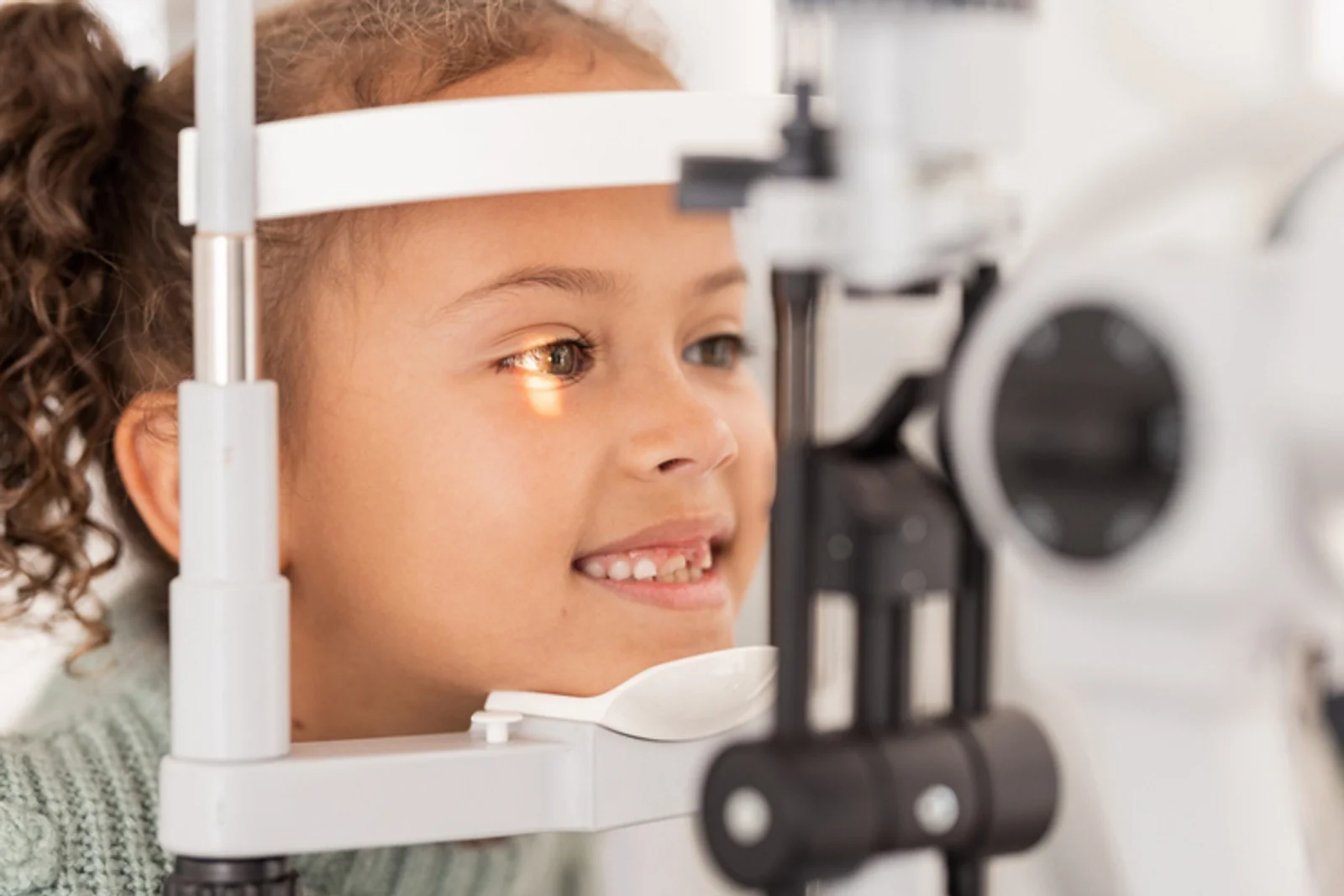
A child’s world is built on discovery — colors, shapes, words, and faces all come together to form their understanding of life. Imagine trying to read your first book when the letters blur together, or playing your favorite game when the ball seems to split in two. For adults, vision problems are frustrating; for children, they can be life-shaping.
Why Eye Health in Children Is So Critical
Vision is not a static ability. In the first years of life, the eyes and the brain form connections that allow for clear, coordinated sight. If these connections are disrupted — by misaligned eyes, unequal vision, or even uncorrected refractive errors — the brain may “shut off” one eye, leading to amblyopia (lazy eye) or other long-term challenges.
Common Childhood Eye Conditions
Amblyopia (Lazy Eye)
This condition occurs when one eye develops weaker vision than the other. The brain favors the stronger eye and suppresses the weaker one. Left untreated, amblyopia can lead to lifelong vision loss.
- Eye patching of the stronger eye to encourage the weaker one to work
- Corrective glasses or contact lenses
- Atropine drops to blur the stronger eye temporarily
Strabismus (Eye Misalignment)
When the eyes do not align properly, a child may develop double vision or the brain may ignore one eye’s input. Strabismus is often visible as “crossed eyes” or one eye that drifts outward.
- Glasses or prism correction
- Eye exercises (vision therapy)
- Surgery in some cases to realign the muscles
Refractive Errors (Nearsightedness, Farsightedness, Astigmatism)
Children with refractive errors may have difficulty reading the board in class, focusing on books, or seeing clearly at any distance. These issues can easily be corrected with glasses, but often go undiagnosed if the child does not report them.
Pediatric Cataracts and Glaucoma
Though less common, children can also be affected by cataracts or glaucoma. These require urgent diagnosis and specialist care to prevent vision loss.
The Subtle Signs Parents Miss
Many parents are surprised when they hear their child needs glasses or treatment — especially if their child never complained. That’s because children adapt quickly. They may squint, tilt their head, or hold books close without realizing it’s unusual.
- Frequent eye rubbing
- Sitting very close to screens or books
- Covering one eye to read or watch TV
- Difficulty with coordination and sports
- Complaints of headaches or eye strain
- Lack of interest in reading or drawing
Why School Screenings Are Not Enough
In Korea and many other countries, schools provide basic vision screenings. While these are useful, they have limitations:
- They usually test only distance vision (not eye alignment, depth perception, or near focus).
- They may miss subtle conditions like amblyopia.
- Results can vary depending on the child’s attention during the test.
Recommended Eye Exam Schedule
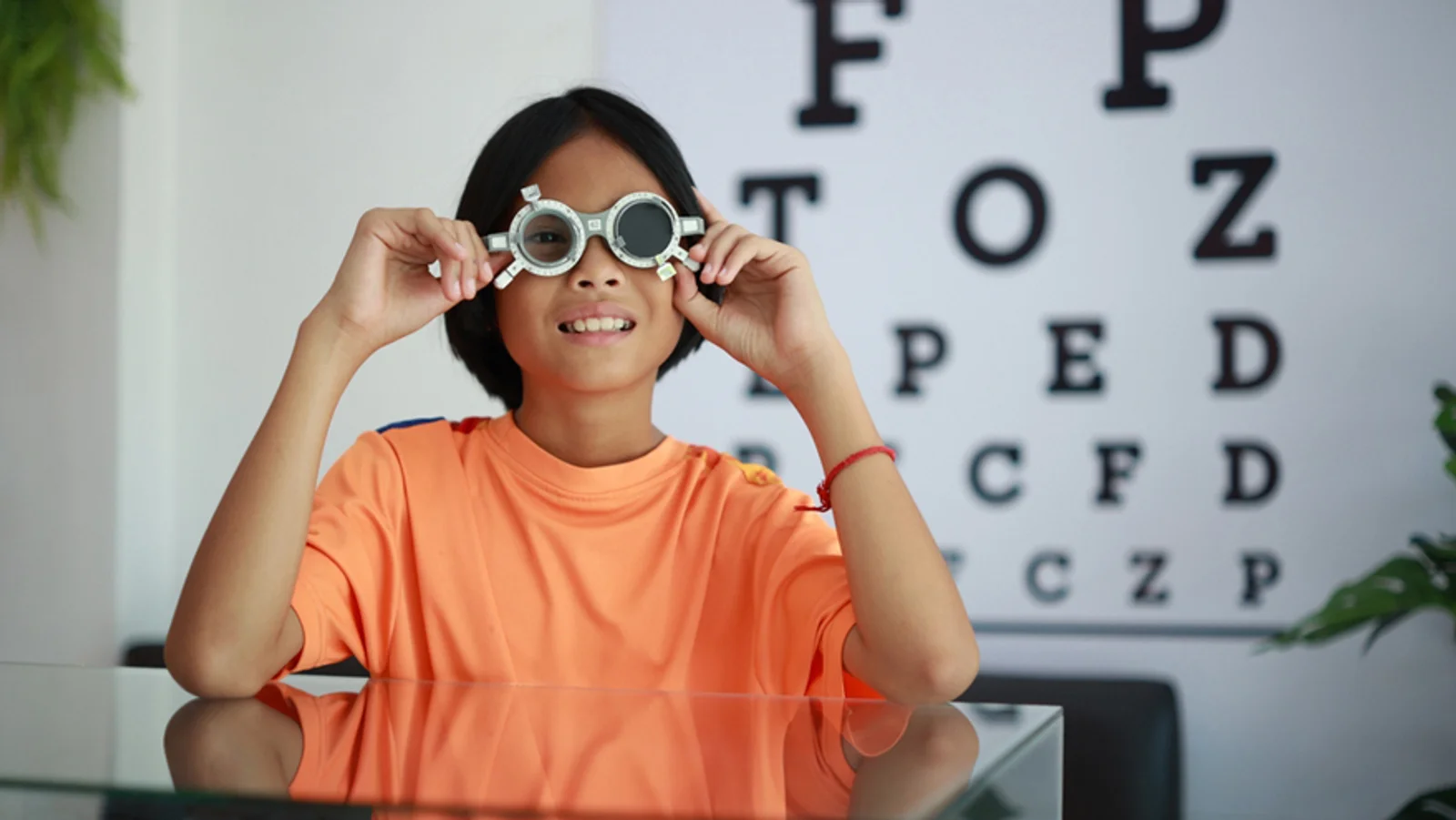
Experts generally recommend:
- Infants: An initial eye health check after birth, followed by a screening around 6 months.
- Toddlers (3 years): A full eye exam before preschool.
- School-age children: An exam before entering school, then every 1–2 years.
- At-risk children: Those with family histories of eye conditions, premature birth, or developmental delays may need more frequent exams.
The Digital Age and Its Impact on Kids’ Eyes
In Korea, childhood myopia (nearsightedness) is rising at alarming rates. With children spending hours on digital devices for schoolwork, games, and entertainment, the strain on developing eyes has never been greater.
- Outdoor time matters. Children who spend at least 2 hours outside daily have a lower risk of developing myopia. Natural light and focusing on distant objects give the eyes a healthy “break.”
- Screen breaks are crucial. Following the “20-20-20 rule” — looking at something 20 feet away for 20 seconds every 20 minutes — can reduce digital strain.
The Emotional Side of Vision
The Global Ubal Eye Center Approach
Conclusion: Giving Children the Gift of Clear Sight
More Articles
Continue reading our ophthalmology guides and vision care insights.

SMILE vs LASIK: Recovery Benchmarks for Vision Correction Care
South Korea has solidified its position as a global epicenter for ophthalmology, with the domestic LASIK and refractive surgery market projected to reach **USD 167.37 million by 2035**, growing at a steady CAGR of 8.54%.
Learn More

Prevalence of Myopia in Korea: The Value of Dream Lens Therapy
The prevalence of myopia among young people in South Korea has reached critical levels, often described as a "myopia epidemic." According to recent data from the **Korean National Health and Nutrition Examination Survey (KNHANES)**, the prevalence of myopia...
Learn More

Multidisciplinary Care: The Future of Korean Pediatric Eye Clinics
The landscape of pediatric eye care in South Korea is shifting rapidly. With nearly **21.9% of Korean children** estimated to be affected by various visual disorders according to nationwide health screenings, the demand for specialized intervention has never...
Learn More