Comprehensive Eye Care & Vision Correction in Incheon · Multilingual International Concierge
23+ Years Clinical Experience
en-US

Ophthalmology Guide
Early Detection and Treatment of Diabetic Retinopathy: Save Your Vision
Discover why early detection of diabetic retinopathy is essential for vision preservation. Learn about symptoms, risk factors, treatments, and preventive strategies.
Schedule a ConsultationIntroduction: A Personal Story of Vision Loss Prevented
Imagine being told that the blurry vision you've been experiencing isn't just a sign of aging, but a symptom of a serious eye condition. This is the reality for many people with diabetes who may not realize they have diabetic retinopathy until it’s too late.
What Is Diabetic Retinopathy?
Diabetic retinopathy is an eye disease that can result in vision loss and blindness for those living with diabetes. It occurs when high blood sugar levels cause damage to the blood vessels in the retina, the light-sensitive layer at the back of the eye. Over time, these damaged vessels can leak or block blood flow, impairing the retina’s function.
Stages of Diabetic Retinopathy
Diabetic retinopathy is a progressive condition, with two primary stages:
- Non-proliferative Diabetic Retinopathy (NPDR): At this stage, blood vessels in the retina become weak, leaking fluid or blood. Though symptoms may not be immediately noticeable, the disease can worsen over time, leading to more severe stages.
- Proliferative Diabetic Retinopathy (PDR): In this advanced stage, the lack of oxygen in the retina leads to the growth of abnormal blood vessels. These vessels are fragile and prone to bleeding, causing floaters, blurred vision, and potential retinal detachment.
The Importance of Early Detection
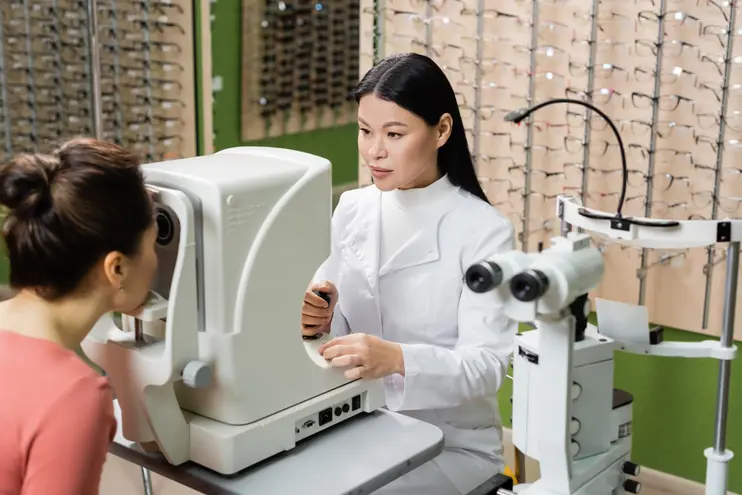
Detecting diabetic retinopathy early can significantly reduce the risk of vision loss. Since the disease often progresses without symptoms in the beginning, regular eye exams are vital for people with diabetes.
Symptoms to Watch For
Diabetic retinopathy often progresses without noticeable symptoms in the early stages, making it crucial for individuals with diabetes to undergo routine eye exams. However, as the condition advances, the following symptoms may occur:
- Blurry or Distorted Vision: As blood vessels in the retina leak or become blocked, vision can become unclear or distorted.
- Floaters: These small specks or cobweb-like shapes can appear in your field of vision when blood leaks into the vitreous.
- Night Blindness: Difficulty seeing in low-light conditions may signal retinal damage.
- Dark or Empty Spots: Advanced stages can cause areas of vision loss due to bleeding or swelling in the retina.
- Sudden Vision Loss: In the most severe cases, the retina may detach, leading to rapid vision loss that requires immediate medical attention.
Personalized Treatment at Global Ubal Eye Center
Global Ubal Eye Center offers personalized treatment plans, using the latest technology to detect and treat diabetic retinopathy. Patients benefit from a team of experts who take a holistic approach to managing both their diabetes and eye health. With over two decades of experience, the clinic’s specialists provide tailored care, offering cutting-edge therapies to help stabilize the condition and preserve vision.
Real Patient Story: Overcoming the Odds
At Global Ubal Eye Center, we’ve seen firsthand how early intervention can change lives. Take, for example, Mrs. Lee, a long-time diabetic patient who noticed minor blurry vision. A routine eye exam at the center revealed early-stage diabetic retinopathy, allowing the team to treat her condition with laser therapy. Today, she enjoys clear vision and is living proof that early detection works.
Key Risk Factors for Diabetic Retinopathy
Several factors can increase the likelihood of developing diabetic retinopathy. Understanding these risk factors is key to preventing the disease:
- Uncontrolled Blood Sugar Levels: High glucose levels over time can damage blood vessels in the retina.
- Hypertension: High blood pressure exacerbates retinal damage, making blood vessels more fragile.
- Duration of Diabetes: The longer a person has diabetes, the higher the risk of retinopathy, especially in those who’ve had diabetes for many years.
- Pregnancy: Women with diabetes are at increased risk due to hormonal changes.
- Genetics: A family history of diabetic retinopathy may increase the likelihood of developing the disease.
Treatment Options for Diabetic Retinopathy
If diagnosed with diabetic retinopathy, there are several treatment options available. The goal is to preserve vision, prevent further damage, and maintain the health of the retina:
Preventing Diabetic Retinopathy
Conclusion: Early Intervention Saves Sight
More Articles
Continue reading our ophthalmology guides and vision care insights.

SMILE vs LASIK: Recovery Benchmarks for Vision Correction Care
South Korea has solidified its position as a global epicenter for ophthalmology, with the domestic LASIK and refractive surgery market projected to reach **USD 167.37 million by 2035**, growing at a steady CAGR of 8.54%.
Learn More

Prevalence of Myopia in Korea: The Value of Dream Lens Therapy
The prevalence of myopia among young people in South Korea has reached critical levels, often described as a "myopia epidemic." According to recent data from the **Korean National Health and Nutrition Examination Survey (KNHANES)**, the prevalence of myopia...
Learn More

Multidisciplinary Care: The Future of Korean Pediatric Eye Clinics
The landscape of pediatric eye care in South Korea is shifting rapidly. With nearly **21.9% of Korean children** estimated to be affected by various visual disorders according to nationwide health screenings, the demand for specialized intervention has never...
Learn More