Comprehensive Eye Care & Vision Correction in Incheon · Multilingual International Concierge
23+ Years Clinical Experience
en-US


Ophthalmology Guide
Dry Eye Treatments in Korea: What Works Best in 2025?
Meta Description: Discover the top Dry Eye Treatments in Korea for 2025, from advanced clinics to effective therapies. Find what works best & improve your comfort — learn more now!
Schedule a ConsultationIntroduction: Understanding Dry Eye Disease and Its Growing Impact
Dry eye disease (DED), also known as keratoconjunctivitis sicca, is a condition that affects millions of people worldwide. It occurs when the eyes don't produce enough tears or when the tears evaporate too quickly, leading to dryness, irritation, and discomfort.
The Landscape of Dry Eye Disease in Korea
South Korea has become a global hub for ophthalmic care due to its advanced healthcare infrastructure, access to the latest medical technologies, and a culture of innovation in healthcare. Korean clinics are equipped with state-of-the-art diagnostic tools that allow for precise diagnosis of dry eye disease.
Dry Eye Disease: Types and Causes
Dry eye disease can manifest in different ways, depending on the underlying causes of the condition. Understanding the two main types of dry eye disease is essential for selecting the right treatment.
Aqueous-Deficient Dry Eye (ADDE)
This type occurs when the lacrimal glands do not produce enough watery tears, leading to a dry, irritated feeling in the eyes. It is often caused by autoimmune conditions, such as Sjögren’s syndrome, or damage to the lacrimal glands due to aging or environmental factors.
Evaporative Dry Eye
This type is caused by dysfunction in the meibomian glands, which are responsible for producing the oil layer of the tear film. When these glands fail to produce sufficient oil, the tears evaporate too quickly, leading to dryness. This type of dry eye is often exacerbated by factors such as screen time, environmental pollutants, and poor eyelid hygiene.
Top Dry Eye Treatments in Korea in 2025
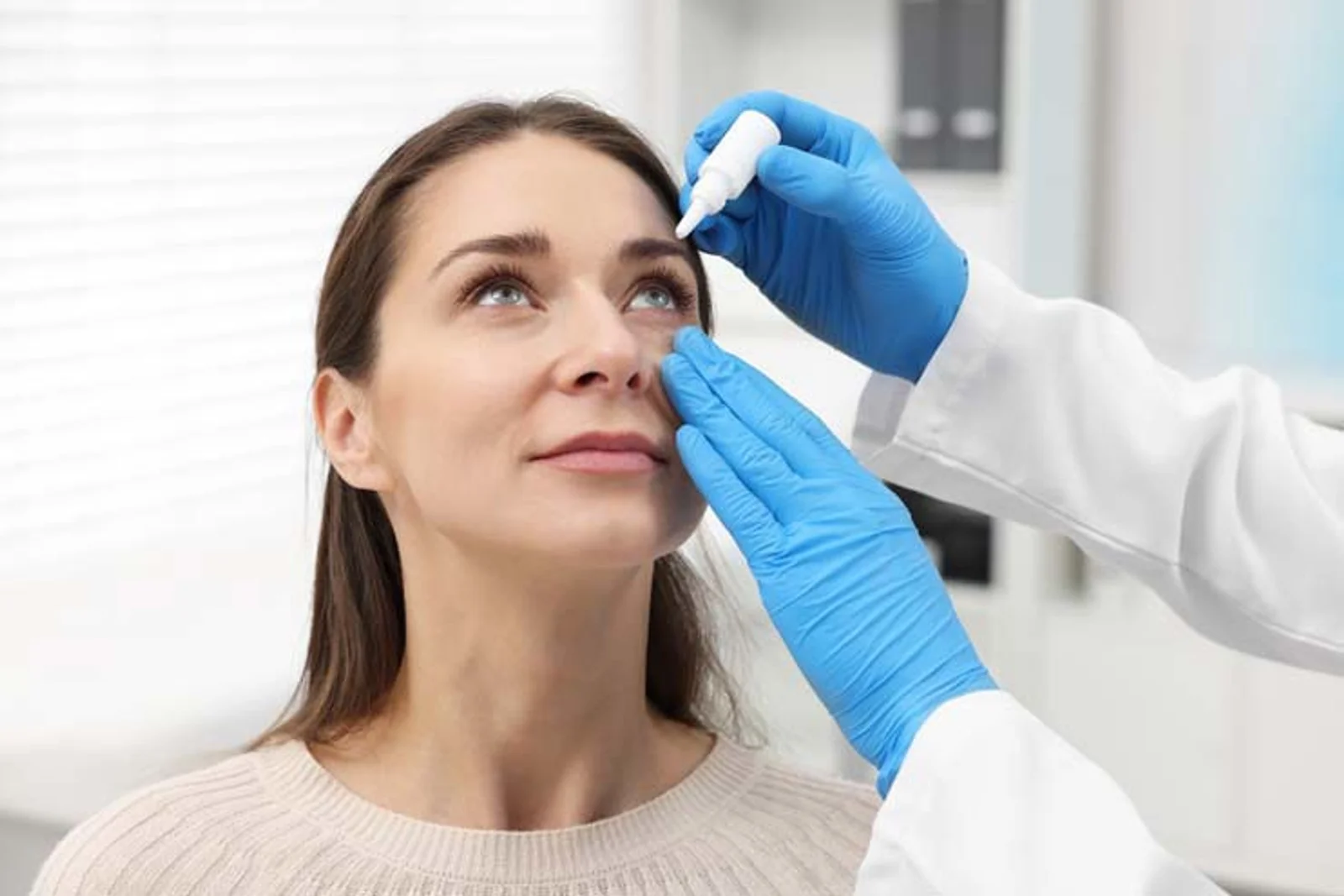
In 2025, South Korea offers a broad range of dry eye treatments, from traditional options such as artificial tears to high-tech therapies aimed at addressing the root causes of dry eye. These treatments can be categorized into conservative, pharmacological, and advanced clinical interventions.
Artificial Tears and Prescription Eye Drops
For many patients, the first line of treatment for dry eye is artificial tears. These are available over-the-counter in Korea and provide temporary relief for mild cases of dry eye by lubricating the eyes. There are various types of artificial tears available, including those with different viscosities and ingredients to address specific needs (e.g., gel-based tears for longer-lasting lubrication).
LipiFlow® Thermal Pulsation Therapy
LipiFlow® is a revolutionary treatment specifically designed for individuals suffering from meibomian gland dysfunction (MGD), the leading cause of evaporative dry eye. MGD occurs when the meibomian glands become clogged or inflamed, reducing the quality of the oil produced, which is essential for stabilizing the tear film and preventing excessive evaporation of tears.
Intense Pulsed Light (IPL) Therapy
Intense Pulsed Light (IPL) therapy, initially used for dermatological purposes, has become a popular and highly effective treatment for dry eye disease, especially when inflammation and MGD are involved. IPL therapy uses light pulses to target the area around the eyes, reducing inflammation and stimulating the meibomian glands to produce more oil.
Punctal Plugs
For individuals with aqueous-deficient dry eye, punctal plugs are an effective way to retain tears on the surface of the eyes for a longer period. These small, biocompatible plugs are inserted into the tear ducts, blocking the drainage of tears and allowing the eyes to stay lubricated.
Autologous Serum Eye Drops

For individuals with severe dry eye or ocular surface damage, autologous serum eye drops offer a promising solution. These drops are made from the patient’s own blood serum, which contains growth factors and nutrients that promote healing of the ocular surface. Autologous serum drops are particularly effective for patients who have severe dry eye that does not respond to conventional treatments.
Conclusion: The Future of Dry Eye Treatment in Korea
As we move into 2025, South Korea continues to be a leader in dry eye disease treatment, offering both traditional therapies and innovative procedures that cater to patients' specific needs. The advanced diagnostics, personalized care, and cutting-edge technologies available in Korean ophthalmology clinics provide patients with a comprehensive and effective treatment approach.
More Articles
Continue reading our ophthalmology guides and vision care insights.

SMILE vs LASIK: Recovery Benchmarks for Vision Correction Care
South Korea has solidified its position as a global epicenter for ophthalmology, with the domestic LASIK and refractive surgery market projected to reach **USD 167.37 million by 2035**, growing at a steady CAGR of 8.54%.
Learn More

Prevalence of Myopia in Korea: The Value of Dream Lens Therapy
The prevalence of myopia among young people in South Korea has reached critical levels, often described as a "myopia epidemic." According to recent data from the **Korean National Health and Nutrition Examination Survey (KNHANES)**, the prevalence of myopia...
Learn More

Multidisciplinary Care: The Future of Korean Pediatric Eye Clinics
The landscape of pediatric eye care in South Korea is shifting rapidly. With nearly **21.9% of Korean children** estimated to be affected by various visual disorders according to nationwide health screenings, the demand for specialized intervention has never...
Learn More