Comprehensive Eye Care & Vision Correction in Incheon · Multilingual International Concierge
23+ Years Clinical Experience
en-US

Ophthalmology Guide
Dry Eye Syndrome: Causes, Symptoms, and Treatments
Discover the causes, symptoms, and treatments for Dry Eye Syndrome (DES), including artificial tears, medications, and lifestyle tips for relief.
Schedule a ConsultationIntroduction
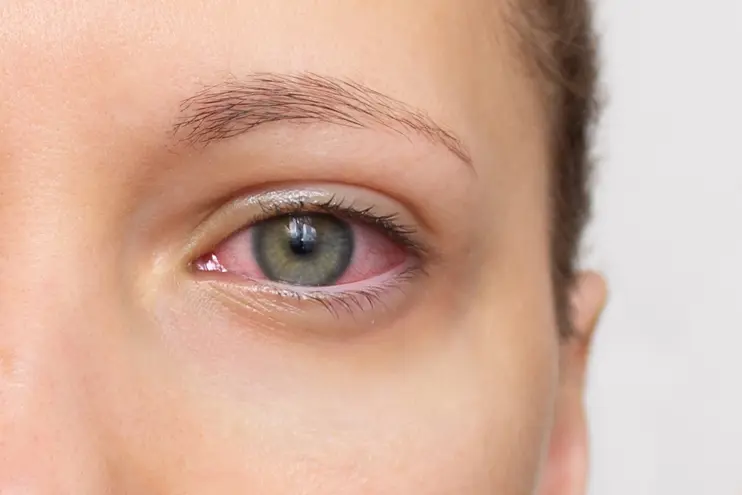
Dry Eye Syndrome (DES) is a prevalent and often frustrating condition that affects millions of people worldwide. Characterized by a persistent feeling of dryness, irritation, or even a gritty sensation in the eyes, this condition can be more than just a minor inconvenience.
Causes of Dry Eye Syndrome
Dry Eye Syndrome can be caused by a variety of factors, ranging from environmental influences to underlying health conditions. By understanding these causes, you can better manage or prevent the condition.
1. Decreased Tear Production
Tears are essential for keeping the eyes moist, nourished, and protected from infections. When the body doesn’t produce enough tears, the eyes are unable to maintain their moisture balance, leading to dryness and irritation. Several factors can lead to decreased tear production, including:
- Age: As people age, tear production naturally decreases. This is particularly noticeable after the age of 50, making older adults more susceptible to Dry Eye Syndrome.
- Hormonal Changes: Women, in particular, are more prone to dry eyes due to hormonal fluctuations, especially during pregnancy, menopause, or while taking birth control pills. The decrease in estrogen and progesterone levels can affect tear production, making it more challenging for the eyes to stay moist.
- Medical Conditions: Autoimmune diseases, such as Sjögren’s syndrome, rheumatoid arthritis, and thyroid disorders, can cause inflammation that impacts the tear glands, reducing their ability to produce sufficient tears. Similarly, other conditions like diabetes can also contribute to dry eyes.
- Medications: Many medications have side effects that reduce tear production. Drugs such as antihistamines, decongestants, antidepressants, and blood pressure medications can all lead to dry eyes. If you're taking medication, it's important to discuss potential side effects with your doctor.
2. Increased Tear Evaporation
Even if the eyes produce a normal amount of tears, excessive evaporation can lead to dry eye symptoms. This often occurs due to environmental factors or other underlying conditions:
- Environmental Factors: Exposure to dry air, wind, smoke, or even air conditioning and heating systems can accelerate the evaporation of the tear film, leading to dry eyes. People living in arid climates or those who spend long hours in air-conditioned spaces are particularly at risk.
- Contact Lens Wear: Prolonged use of contact lenses can reduce the amount of oxygen reaching the surface of the eye and cause the tears to evaporate faster. Dry eyes are a common issue for contact lens wearers, especially if they wear lenses for extended periods or don’t maintain proper lens hygiene.
- Blepharitis: This condition involves inflammation of the eyelids and can lead to dysfunction of the meibomian glands, which produce the oily layer of the tear film. A deficiency in this oily layer causes tears to evaporate more quickly, leaving the eyes dry and irritated.
3. Imbalance in Tear Composition
The composition of the tear film is crucial in maintaining proper eye health. Tears consist of three main layers: a water layer, an oily layer, and a mucus layer. An imbalance in any of these layers can result in unstable tear film, leading to dry eyes:
- Insufficient Oil Production: The oil layer of the tear film prevents rapid evaporation. When the meibomian glands produce inadequate oil, tears can evaporate quickly, causing dry eyes.
- Mucus Layer Dysfunction: The mucus layer helps tears adhere to the surface of the eye. A deficiency in mucus production can cause tears to spread unevenly across the eye, leading to dryness and discomfort.
Symptoms of Dry Eye Syndrome

Dry Eye Syndrome manifests in a variety of ways, with symptoms that can range from mild irritation to more severe and persistent discomfort. Some of the most common symptoms include:
1. Irritation and Burning Sensation
One of the hallmark symptoms of Dry Eye Syndrome is a burning, stinging, or gritty sensation in the eyes. People with dry eyes often describe the feeling of having something foreign (like sand or dust) in their eyes, which can be particularly uncomfortable.
Treatments for Dry Eye Syndrome

Why Choose Global Ubal?
Conclusion
More Articles
Continue reading our ophthalmology guides and vision care insights.

SMILE vs LASIK: Recovery Benchmarks for Vision Correction Care
South Korea has solidified its position as a global epicenter for ophthalmology, with the domestic LASIK and refractive surgery market projected to reach **USD 167.37 million by 2035**, growing at a steady CAGR of 8.54%.
Learn More

Prevalence of Myopia in Korea: The Value of Dream Lens Therapy
The prevalence of myopia among young people in South Korea has reached critical levels, often described as a "myopia epidemic." According to recent data from the **Korean National Health and Nutrition Examination Survey (KNHANES)**, the prevalence of myopia...
Learn More

Multidisciplinary Care: The Future of Korean Pediatric Eye Clinics
The landscape of pediatric eye care in South Korea is shifting rapidly. With nearly **21.9% of Korean children** estimated to be affected by various visual disorders according to nationwide health screenings, the demand for specialized intervention has never...
Learn More