Comprehensive Eye Care & Vision Correction in Incheon · Multilingual International Concierge
23+ Years Clinical Experience
en-US

Ophthalmology Guide
Dry Eye Syndrome and LASIK: Risks and Prevention Tips
Discover the link between Dry Eye Syndrome and LASIK. Learn the risks, symptoms, and prevention tips to protect your vision before and after surgery.
Schedule a ConsultationIntroduction
At Global Ubal Eye Center, we believe in not just correcting vision, but safeguarding the long-term health and comfort of your eyes. When you’re considering vision correction such as LASIK (Laser-Assisted In Situ Keratomileusis), it’s essential to understand one of the most commonly discussed post-surgical concerns: dry eye syndrome.
What Is Dry Eye Syndrome After LASIK?
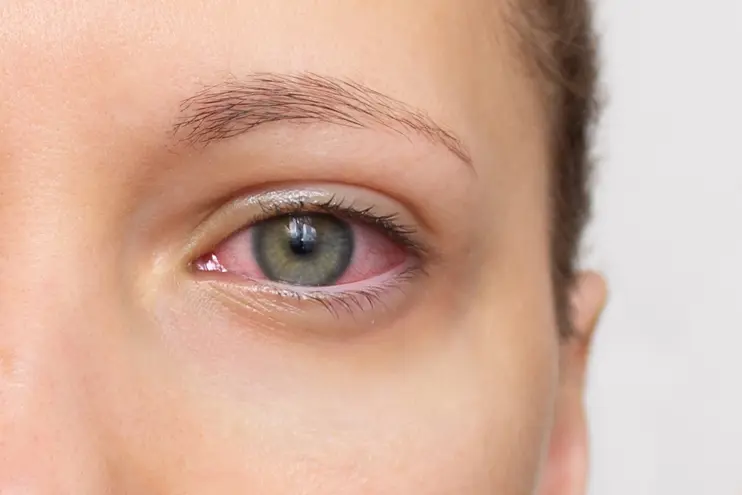
Dry eye syndrome refers to a condition where the eye’s tear film becomes unstable or insufficient, leading to symptoms like irritation, a gritty feeling, redness, fluctuating vision, and sometimes a foreign-body sensation. After LASIK, patients may notice such symptoms—especially in the early months.
Why Does Dry Eye Happen After LASIK?
It’s helpful to think of your cornea and tear film like a finely tuned instrument. LASIK changes how your cornea is shaped, which is great for vision—but it also temporarily impacts the nerves and tear mechanics.
- Nerve Disruption: During LASIK, a flap is created and the corneal stroma is ablated. Many corneal nerves—especially those that feed the reflex loop for tear production—are cut or disturbed. This reduces corneal sensitivity and reflex tear production. In some individuals, this nerve disruption can take longer to heal, especially if pre-existing ocular surface issues were already present.
- Tear Film Instability: The altered corneal surface leads to a less stable tear film. Tear break-up time (TBUT) shortens, and the volume of tears may decrease. This instability can result in inconsistent vision—where your eyesight fluctuates throughout the day—and can affect night vision, contrast sensitivity, or reading comfort.
- Inflammation and Surface Changes: Postoperative inflammation, altered blinking patterns, and tear evaporation all contribute. Inflammation can lead to a self-perpetuating cycle of dryness, surface damage, and discomfort. In severe cases, patients may also develop superficial punctate keratitis or corneal erosions.
How Long Does Dry Eye Last After LASIK?
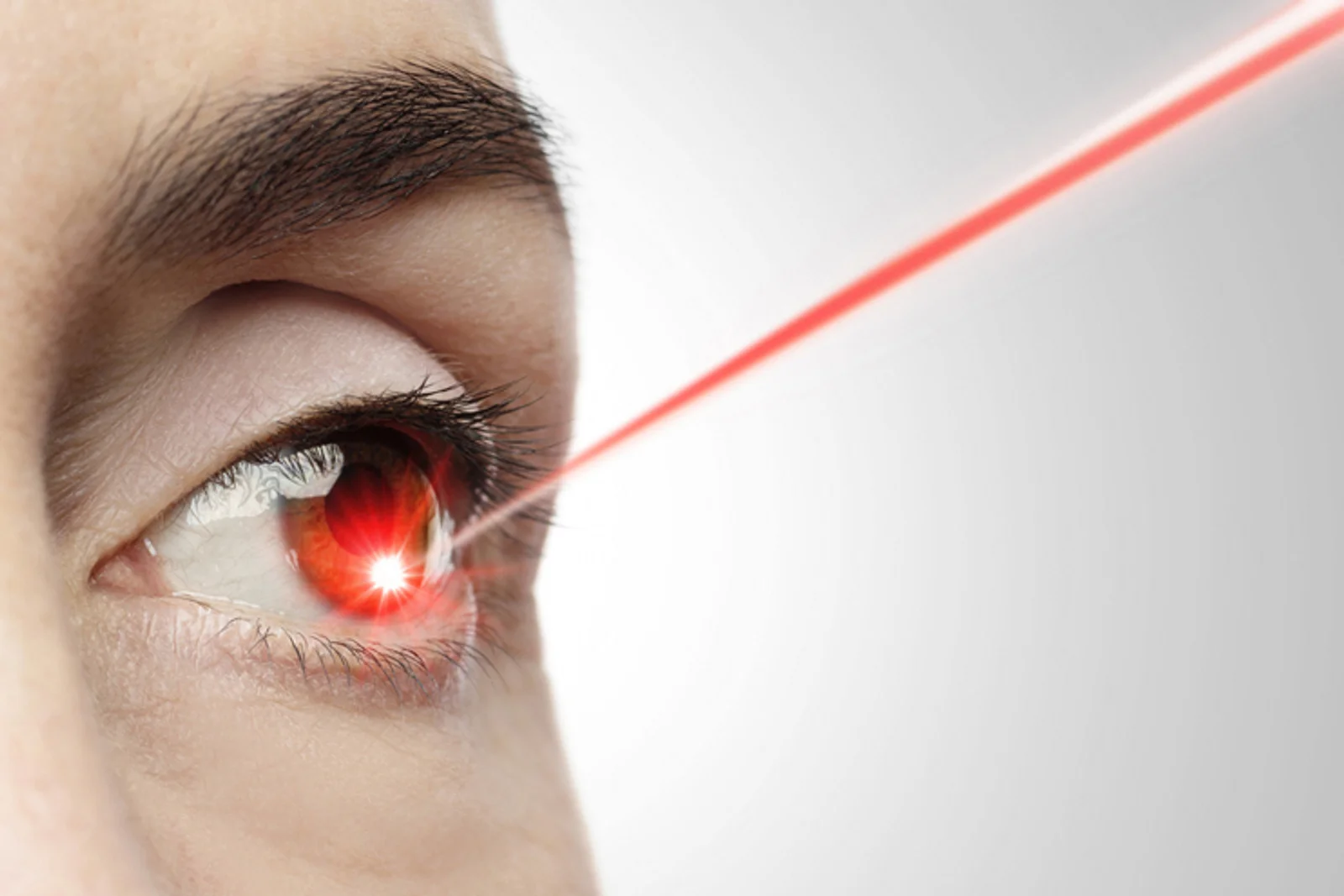
For most patients, symptoms are worst during the first few weeks to months and then improve. But some experience longer-term issues.
- Most cases improve by 3 to 6 months as the nerves begin to regenerate and the ocular surface stabilizes.
- About 20% may experience symptoms lasting 6 months or more, requiring continued treatment and monitoring.
- Chronic cases, while rare, can lead to long-term reliance on artificial tears, prescription medications, or procedural interventions.
What We Do at Global Ubal Eye Center to Prevent Dry Eye
1. Pre-Operative Screening
We assess your tear film, meibomian glands, corneal sensitivity, and risk profile. If issues are found, we treat them before surgery. Our decisions are based on individualized data—not one-size-fits-all checklists.
- Starting patients on omega-3 supplements
- Treating meibomian gland dysfunction with thermal pulsation or IPL
- Using anti-inflammatory drops like cyclosporine or lifitegrast if indicated
- Counseling patients on blinking techniques and screen-time hygiene
2. Tailored Surgical Techniques
- We choose flap thickness and hinge location with the goal of minimizing nerve disruption.
- We may suggest SMILE or LASEK for patients at high risk of dry eye. SMILE, for example, has shown to preserve more corneal nerves.
- Our laser systems use intelligent tracking and energy optimization to reduce collateral damage and accelerate healing.
3. Post-Operative Care
- Lubricating drops, gels, and ointments to support tear film stability
- Preservative-free options for sensitive eyes
- Use of punctal plugs in patients with persistent symptoms
- Eyelid hygiene regimens for those with blepharitis or MGD
- Anti-inflammatory agents where appropriate
4. Long-Term Monitoring
We don't stop caring after your first follow-up. We check ocular surface health at 3, 6, and 12 months, watching for subtle changes that could impact comfort and visual quality. In some patients, we continue annual monitoring, especially if they have systemic risk factors like autoimmune disease or diabetes.
When LASIK Might Not Be Ideal

Patient Tips to Reduce Dry Eye Risk
Why Choose Global Ubal Eye Center
Conclusion: Comfort Matters as Much as Clarity
More Articles
Continue reading our ophthalmology guides and vision care insights.

SMILE vs LASIK: Recovery Benchmarks for Vision Correction Care
South Korea has solidified its position as a global epicenter for ophthalmology, with the domestic LASIK and refractive surgery market projected to reach **USD 167.37 million by 2035**, growing at a steady CAGR of 8.54%.
Learn More

Prevalence of Myopia in Korea: The Value of Dream Lens Therapy
The prevalence of myopia among young people in South Korea has reached critical levels, often described as a "myopia epidemic." According to recent data from the **Korean National Health and Nutrition Examination Survey (KNHANES)**, the prevalence of myopia...
Learn More

Multidisciplinary Care: The Future of Korean Pediatric Eye Clinics
The landscape of pediatric eye care in South Korea is shifting rapidly. With nearly **21.9% of Korean children** estimated to be affected by various visual disorders according to nationwide health screenings, the demand for specialized intervention has never...
Learn More