Comprehensive Eye Care & Vision Correction in Incheon · Multilingual International Concierge
23+ Years Clinical Experience
en-US

Ophthalmology Guide
Dry Eye Relief: Top Treatments for Comfort in 2025
Discover the best dry eye relief treatments in 2025. Explore effective solutions, tips, and expert advice to soothe discomfort and improve eye health today.
Schedule a ConsultationIntroduction: Living with Dry Eye in Today’s World
Dry eye is one of those conditions that often gets underestimated until you personally experience it. Many patients describe it as if a thin film is permanently covering their eyes, or as if they constantly have dust stuck under their eyelids. Others say their vision becomes foggy after just a few hours of reading or working at the computer, forcing them to blink repeatedly to clear it.
Why Dry Eye Deserves Serious Attention?
It’s tempting to dismiss dry eye as a minor irritation, but anyone living with chronic symptoms knows the toll it can take. Eyes that constantly sting, water, or feel gritty interfere with professional tasks, family life, and social interactions. Beyond discomfort, untreated dry eye can accelerate corneal damage and contribute to long-term visual decline.
Understanding the Science Behind Dry Eye
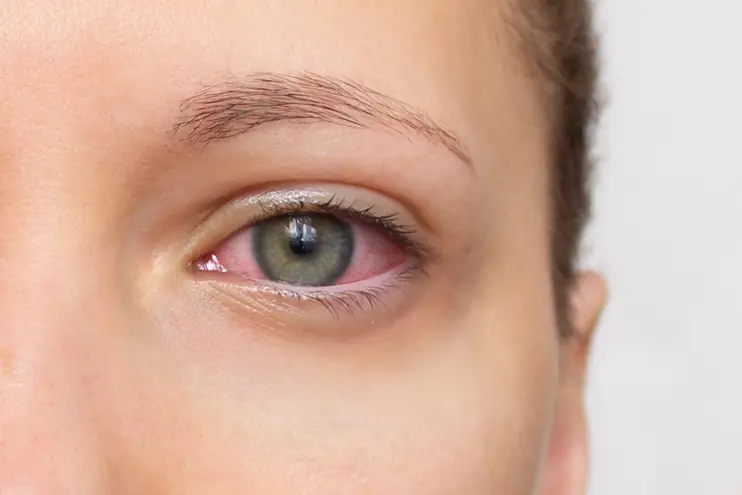
Dry eye isn’t one uniform condition. It typically falls into two broad categories:
- Aqueous-deficient dry eye: when the eyes simply don’t produce enough tears.
- Evaporative dry eye: when tears evaporate too quickly, usually due to poor oil layer quality from the eyelid glands.
Top Treatments for Dry Eye Relief in 2025
1. Advanced Artificial Tears
Artificial tears have evolved far beyond the simple saline drops of years past. In 2025, preservative-free, lipid-enhanced formulas mimic the natural tear film more closely, staying longer on the eye’s surface. Some even contain growth factors and bioactive molecules to promote corneal healing. Patients who previously needed to apply drops dozens of times a day now find relief with only a few applications.
2. Punctal Plugs and Tear Conservation
When natural tears are scarce, tiny punctal plugs placed in the tear ducts prevent rapid drainage. Modern versions are biocompatible, comfortable, and customizable. At Global Ubal Eye Center, we’ve seen excellent results in patients with autoimmune-related dry eye, such as those with Sjögren’s syndrome. By conserving natural tears, plugs allow the eyes to stay lubricated for much longer.
3. Meibomian Gland Therapy
Many patients suffer from clogged eyelid glands that fail to secrete the protective oils needed to stabilize tears. Thermal pulsation therapies gently warm and massage the eyelids, restoring oil flow. Patients often feel significant improvement after just one session, with results that can last months. To patients, it feels more like a warm massage than a medical procedure — yet its impact is life-changing.
4. Light-Based Therapies
Intense Pulsed Light (IPL) and Low-Level Light Therapy (LLLT) have become mainstays for treating inflammation-related dry eye. These treatments reduce eyelid inflammation, improve gland function, and are particularly helpful for patients with skin conditions like rosacea that worsen eye dryness. Many of our patients who struggled with constant redness around the eyes find IPL to be the missing piece in their care.
5. Prescription Medications
Modern ophthalmology offers targeted anti-inflammatory eye drops that do more than soothe — they alter the disease process itself. By addressing immune-mediated inflammation, these medications help restore natural tear production over time. In 2025, we now have second-generation formulations that work faster and with fewer side effects than earlier versions.
6. Nutritional and Lifestyle Approaches
Dry eye management isn’t only clinical. Omega-3 fatty acids, proper hydration, regular breaks from digital screens, and indoor humidity control can greatly reduce symptoms. At Global Ubal Eye Center, we guide patients toward daily habits that support long-term ocular health. Even simple adjustments like mindful blinking during screen use or avoiding overly dry environments can make a major difference.
Personalized Care: More Than Just Technology

To be honest, dry eye care is as much about listening as it is about technology. We’ve seen patients who tried every drop on the pharmacy shelf without success — not because the treatments were ineffective, but because the underlying cause wasn’t properly identified. At our clinic, personalization is key.
When to See a Doctor for Dry Eye?
Conclusion: Finding Relief in 2025 and Beyond
More Articles
Continue reading our ophthalmology guides and vision care insights.

SMILE vs LASIK: Recovery Benchmarks for Vision Correction Care
South Korea has solidified its position as a global epicenter for ophthalmology, with the domestic LASIK and refractive surgery market projected to reach **USD 167.37 million by 2035**, growing at a steady CAGR of 8.54%.
Learn More

Prevalence of Myopia in Korea: The Value of Dream Lens Therapy
The prevalence of myopia among young people in South Korea has reached critical levels, often described as a "myopia epidemic." According to recent data from the **Korean National Health and Nutrition Examination Survey (KNHANES)**, the prevalence of myopia...
Learn More

Multidisciplinary Care: The Future of Korean Pediatric Eye Clinics
The landscape of pediatric eye care in South Korea is shifting rapidly. With nearly **21.9% of Korean children** estimated to be affected by various visual disorders according to nationwide health screenings, the demand for specialized intervention has never...
Learn More