Comprehensive Eye Care & Vision Correction in Incheon · Multilingual International Concierge
23+ Years Clinical Experience
en-US

Ophthalmology Guide
Dry Eye Relief: Latest Treatments to Improve Comfort
Discover the latest dry eye relief treatments to soothe irritation, reduce symptoms, and restore comfort. Explore effective solutions—learn more today!
Schedule a ConsultationIntroduction
If your eyes often feel dry, gritty, or like there's something stuck in them, you're not alone. Dry eye disease is one of the most common complaints in eye clinics worldwide, especially in places like Korea where digital screen use, contact lens wear, and air-conditioned environments are everyday realities.
Why “Just Use Drops” Often Falls Short
We hear it all the time: "I’ve been using eye drops for months, but the dryness keeps coming back." That’s because most traditional artificial tears only replace the watery layer of the tear film — and only temporarily. Dry eye disease actually involves three key components:
- Aqueous deficiency – not producing enough tears
- Evaporative loss – tears evaporating too quickly
- Ocular surface inflammation – chronic irritation damaging the tear film
Latest Breakthroughs in Dry Eye Treatment
1. Evaporation-Stabilizing Eye Drops
One of the most promising advances is Perfluorohexyloctane, a next-generation drop available under brand names like Miebo, EvoTears, or NovaTears. Unlike watery artificial tears, this drop mimics the natural oily layer of the tear film, slowing evaporation and providing lasting comfort.
2. Anti-Inflammatory Therapies
Chronic inflammation is a major driver of dry eye, especially in patients with autoimmune conditions or long-term contact lens use. Anti-inflammatory eye drops like Lifitegrast (Xiidra) and Cyclosporine A (Restasis, Cequa) can reduce ocular surface inflammation and improve natural tear production.
3. Intense Pulsed Light (IPL) Therapy
This is a game-changer for patients with MGD. IPL uses gentle light pulses to heat the eyelid area, unclogging oil glands and restoring their function. Think of it as a reset button for the meibomian glands. At our clinic, we often combine IPL with manual gland expression to boost its effectiveness.
4. Eyelid Cleaning and Debridement (BlephEx)
For those with blepharitis or lid margin disease, in-office lid cleaning can make a huge difference. BlephEx is like a gentle exfoliation for your eyelids, removing bacterial buildup, debris, and inflammatory biofilm that disrupt tear stability.
5. Punctal Plugs and Tear Conservation
When your eyes don’t retain tears well, punctal plugs — tiny devices inserted into tear ducts — can help keep moisture on the eye longer. They’re reversible and can be paired with drops or other therapies. We often use them for patients with aqueous tear deficiency, post-surgical dry eye (like after LASIK or cataract surgery), or severe seasonal dryness.
Matching Treatment to Your Dry Eye Type
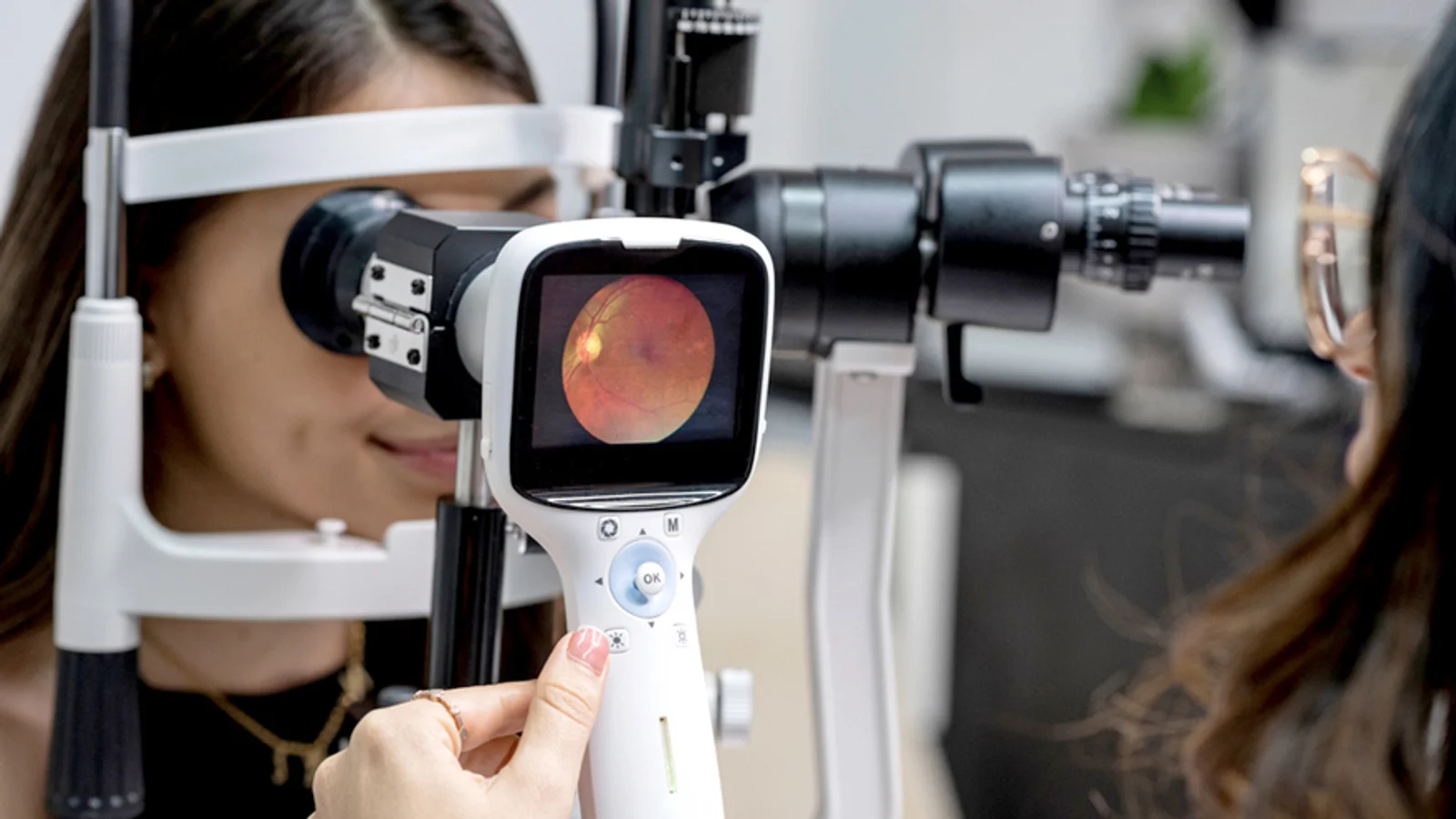
Dry eye isn’t one-size-fits-all. That’s why we always start with a detailed diagnostic workup:
- Tear film breakup time – measures tear stability
- Meibography – visualizes oil gland health
- Ocular surface staining – identifies inflammation or damage
- Tear osmolarity – detects tear film imbalance
Why Ongoing Care Matters
One of the most overlooked truths about dry eye? It changes over time. What works today might need adjusting in six months, especially if your screen time increases, the seasons change, or your general health shifts.
A Final Word from Global Ubal Eye Center
At our Incheon clinic, we’re proud to combine advanced diagnostics with deep clinical experience. Dr. Heecheol Bae and our team have spent over 20 years treating the full spectrum of ocular conditions, and dry eye is no exception. We understand the frustration of recurring symptoms — and the relief that comes when patients finally feel comfortable again.
More Articles
Continue reading our ophthalmology guides and vision care insights.

SMILE vs LASIK: Recovery Benchmarks for Vision Correction Care
South Korea has solidified its position as a global epicenter for ophthalmology, with the domestic LASIK and refractive surgery market projected to reach **USD 167.37 million by 2035**, growing at a steady CAGR of 8.54%.
Learn More

Prevalence of Myopia in Korea: The Value of Dream Lens Therapy
The prevalence of myopia among young people in South Korea has reached critical levels, often described as a "myopia epidemic." According to recent data from the **Korean National Health and Nutrition Examination Survey (KNHANES)**, the prevalence of myopia...
Learn More

Multidisciplinary Care: The Future of Korean Pediatric Eye Clinics
The landscape of pediatric eye care in South Korea is shifting rapidly. With nearly **21.9% of Korean children** estimated to be affected by various visual disorders according to nationwide health screenings, the demand for specialized intervention has never...
Learn More