Comprehensive Eye Care & Vision Correction in Incheon · Multilingual International Concierge
23+ Years Clinical Experience
en-US

Ophthalmology Guide
Dry Eye Clinic Korea | 2026 Treatment | Global Ubal Eye Center
Seeking a dry eye clinic in Korea? Global Ubal Eye Center offers IPL and MGD treatments for lasting relief. Book your 2026 consultation in Incheon today.
Schedule a ConsultationIntroduction
For many patients in cities like New York or Los Angeles, chronic dry eye is not just an annoyance; it is a barrier to daily life. If you have spent years relying on artificial tears only to find your symptoms worsening, you are likely searching for more than a temporary fix.
What To Expect At A Dry Eye Clinic In Korea
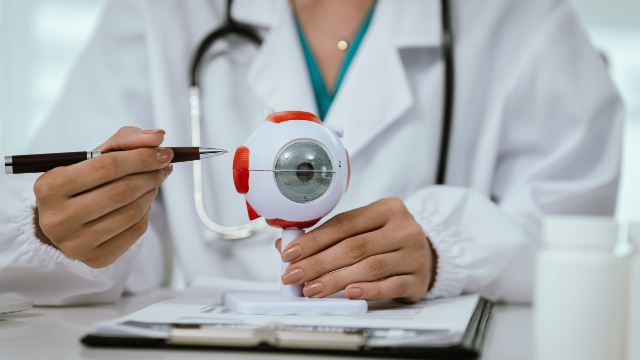
The experience of visiting a dry eye clinic in Korea is significantly different from standard optometry visits in many parts of the world. In Korea, the focus is on a multi disciplinary approach that combines advanced diagnostics with specialized therapeutic interventions.
Beyond Artificial Tears: The 2026 Standard
The traditional approach to dry eye often involves a cycle of artificial tears and generic lubricating ointments. However, at a leading dry eye clinic in Korea, we recognize that these are merely bandages. The 2026 standard of care focuses on biological restoration. This means we look at the cellular health of the ocular surface.
Understanding Meibomian Gland Dysfunction MGD
Meibomian Gland Dysfunction or MGD is the primary driver of evaporative dry eye. In a specialized dry eye clinic in Korea, we find that nearly 90 percent of our chronic dry eye patients suffer from this condition. These glands, located within the eyelids, are supposed to secrete a clear oil that prevents tears from evaporating. When these glands become clogged, the oil becomes stagnant and inflammatory.
The Diagnostic Battery At Global Ubal
A comprehensive diagnosis is the foundation of everything we do at our dry eye clinic in Korea. We do not just perform one test; we perform a battery of evaluations to get a complete picture of your ocular health. This includes checking the osmolarity of your tears, which tells us how salty they are. High salt content is a sign of severe dryness and inflammation.
| Tool Name | Primary Function | Patient Benefit |
|---|---|---|
| Keratograph 5M | Non invasive tear film imaging | Painless and highly accurate diagnosis |
| Meibography | Visualizing gland structure | Shows exact level of gland loss or blockage |
| TBUT Test | Measuring tear stability | Determines how fast tears evaporate |
| Osmolarity Test | Measuring salt concentration | Quantifies the severity of inflammation |
| Interferometry | Checking the lipid layer | Identifies if oil production is sufficient |
Benefits Of Advanced Dry Eye Treatment
The benefits of receiving advanced care at a dry eye clinic in Korea are life changing. For patients who have lived with the constant grit and pain of dry eye, the relief can be profound. The primary benefit is the restoration of your natural tear film. This means your eyes feel moist and comfortable naturally, without the need for constant drops.
Improving Visual Clarity And Focus
Visual clarity is the most noticeable benefit of treatment at a dry eye clinic in Korea. A stable tear film is essential for light to focus correctly on the retina. If the film is broken, the light scatters, creating blurriness. Our dry eye clinic in Korea uses 2026 protocols to ensure your tear film is as thick and stable as possible.
Freedom From Constant Maintenance
One of the greatest gifts a dry eye clinic in Korea can provide is time. Patients with severe dry eye often spend a significant portion of their day managing their symptoms. From applying drops every thirty minutes to using warm compresses and cleaning their lids, the maintenance is a full time job. Our dry eye clinic in Korea offers treatments that reduce this burden significantly.
Long Term Ocular Surface Health
The health of your eyes is a long term investment. If left untreated, chronic dry eye can lead to serious complications, including corneal ulcers and permanent vision loss. A dry eye clinic in Korea provides the preventive care needed to avoid these outcomes. By keeping the surface of the eye moist and reducing inflammation, we protect the delicate tissues of the cornea and conjunctiva.
The Dry Eye MGD Korea Treatment Process
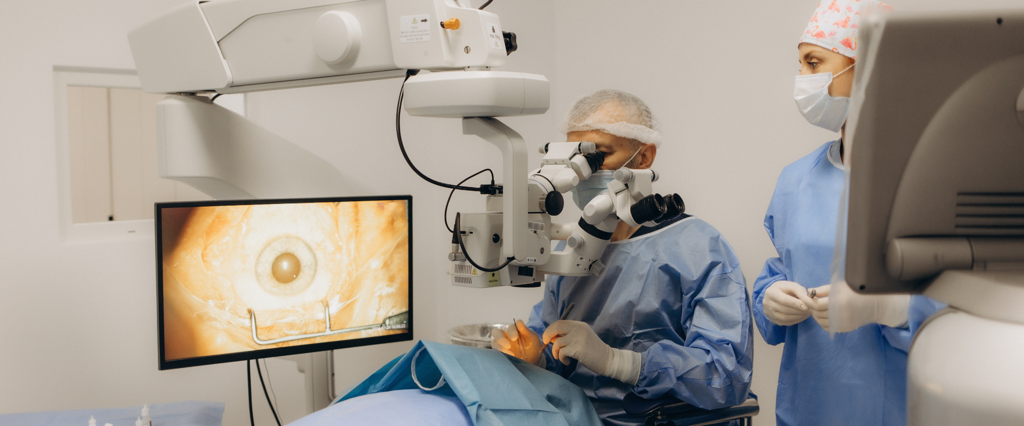
The treatment process at our dry eye clinic in Korea is a carefully orchestrated series of events designed to maximize your results. It begins with a thorough cleaning of the eyelids. This is essential because many patients have a buildup of bacteria or mites called Demodex that contribute to inflammation.
| Treatment | Typical Duration | Primary Focus |
|---|---|---|
| IPL Therapy | 10 to 15 minutes | Reducing inflammation and bacteria |
| Manual Gland Expression | 5 to 10 minutes | Physically clearing gland blockages |
| Thermal Pulsation | 12 to 20 minutes | Liquefying hardened oils with heat |
| Eyelid Debridement | 5 minutes | Removing biofilm from the lid margin |
Recovery Timeline And Long Term Results
| Timeframe | Expected Experience | Key Action |
|---|---|---|
| Day 1 to 2 | Mild redness and sensitivity | Use prescribed soothing drops |
| Week 1 | Gradual reduction in grit sensation | Maintain gentle eyelid hygiene |
| Week 4 | Improved tear film stability | Follow up diagnostic scan |
| Month 3 to 6 | Long term comfort and clarity | Schedule maintenance if needed |
Dry Eye Treatment Investment Korea Vs USA
| Location | IPL Session Cost | Comprehensive MGD Package |
|---|---|---|
| New York City | 500 to 800 USD | 2500 to 4000 USD |
| Los Angeles | 450 to 750 USD | 2200 to 3800 USD |
| Chicago | 400 to 700 USD | 2000 to 3500 USD |
| Global Ubal Korea | 200 to 350 USD | 1200 to 1800 USD |
Why Choose Global Ubal Eye Center
How To Book Your Dry Eye Clinic Korea Visit

Conclusion
About The Author
Frequently Asked Questions
More Articles
Continue reading our ophthalmology guides and vision care insights.

SMILE vs LASIK: Recovery Benchmarks for Vision Correction Care
South Korea has solidified its position as a global epicenter for ophthalmology, with the domestic LASIK and refractive surgery market projected to reach **USD 167.37 million by 2035**, growing at a steady CAGR of 8.54%.
Learn More

Prevalence of Myopia in Korea: The Value of Dream Lens Therapy
The prevalence of myopia among young people in South Korea has reached critical levels, often described as a "myopia epidemic." According to recent data from the **Korean National Health and Nutrition Examination Survey (KNHANES)**, the prevalence of myopia...
Learn More

Multidisciplinary Care: The Future of Korean Pediatric Eye Clinics
The landscape of pediatric eye care in South Korea is shifting rapidly. With nearly **21.9% of Korean children** estimated to be affected by various visual disorders according to nationwide health screenings, the demand for specialized intervention has never...
Learn More