Comprehensive Eye Care & Vision Correction in Incheon · Multilingual International Concierge
23+ Years Clinical Experience
en-US

Ophthalmology Guide
Dream Lens (Ortho-K) Cost in Korea: A US Patient Guide
What shapes Dream Lens (Ortho-K) costs in Korea for US patients: fitting, custom lenses, follow-up, and why an in-person exam sets the quote.
Schedule a ConsultationDream Lens (Ortho-K) Cost in Korea: A US Patient Guide
Medically reviewed by Dr. Shin Young Hwang, Korean Board-Certified Ophthalmologist, Global Ubal Eye Center
What Dream Lens (Ortho-K) Actually Is
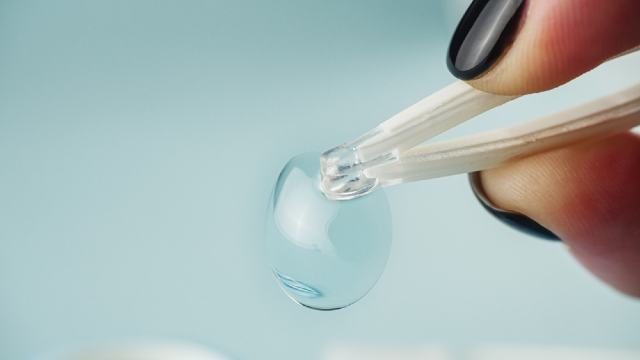
Dream Lens is a marketing name for orthokeratology. Orthokeratology uses custom-made rigid gas-permeable lenses worn overnight. While you sleep, the lenses apply gentle, controlled pressure to reshape the cornea, the clear front window of the eye. In the morning you remove the lenses and, for many people who are nearsighted, daytime vision is improved without glasses or daytime contact lenses.
Why There Is No Single Price for Dream Lens
People often expect a fixed price for a vision program the way they might expect a fixed price for a consumer product. Orthokeratology does not work that way, and understanding why can save you frustration. An Ortho-K program is a service built around your individual eyes, not a single item pulled off a shelf.
Factors That Influence Dream Lens Cost
Rather than a price, it is more useful to think about the categories of care that make up an orthokeratology program. Understanding these categories helps you interpret any quote a clinic provides and compare programs on substance rather than on a headline number.
The Fitting and Corneal Mapping Process
The foundation of orthokeratology is a careful fitting. This usually includes a comprehensive eye examination and detailed measurements of the shape and curvature of your cornea, often using corneal mapping (topography). These measurements determine the custom lens design.
The Custom Lenses Themselves
Because Ortho-K lenses are individually designed rather than standardized, the lenses are a distinct part of the program. If your eyes need a particular design, or if the first design needs to be refined to reach a stable, comfortable fit, the lens component of your program reflects that. This is normal and is part of tailoring the lenses to your specific corneas.
Lens Replacements Over Time
Orthokeratology is an ongoing routine, not a one-time event. Lenses can wear, become damaged, or need updating over months and years of nightly use. Planning for eventual replacements is a realistic part of budgeting for any long-term contact lens program. When you speak with the clinic, it is reasonable to ask how replacements are handled so you can plan for the life of the program, not just the first fitting.
Follow-Up Visits and Monitoring
Follow-up care is essential to orthokeratology, both for checking that the lenses are reshaping the cornea as intended and for protecting eye health. Early in a program, follow-up visits and repeat corneal mapping are common as the fit is confirmed and refined. Ongoing check-ups help catch any issues early.
Solutions, Care Supplies, and Accessories
Contact lens care requires cleaning and disinfecting solutions, cases, and related supplies. According to the National Eye Institute, proper lens care and hygiene are critical for anyone who wears contact lenses, and orthokeratology is no exception. These ongoing supplies are a small but real part of the total picture, and they matter far beyond cost because they directly affect safety.
What a Dream Lens Program May Include or Exclude
Clinics structure their orthokeratology programs differently, so it is worth asking specifically what a given program covers. Broadly, a program may bundle the initial examination, corneal mapping, the custom lens design, and a defined series of early follow-up visits. It may or may not include later replacement lenses, extended follow-up beyond an initial window, or care supplies.
Why an In-Person Exam Sets the Real Number
No responsible clinic can give you an accurate, personalized quote without examining your eyes, and there is a clinical reason for this. Orthokeratology candidacy and fitting depend on measurements that only an in-person examination can capture: the degree of your nearsightedness, the shape and health of your cornea, your tear film, and the overall health of the eye.
Planning a Trip for Ortho-K Care in Korea
If you are considering traveling internationally for orthokeratology, treating the trip as a medical journey rather than a vacation with an appointment attached will serve you well. The US Centers for Disease Control and Prevention offers general guidance for people seeking care abroad, including advice on researching providers, understanding follow-up needs, and planning for care once you return home.
Verifying Pricing and Payment With the Clinic
More Articles
Continue reading our ophthalmology guides and vision care insights.

SMILE vs LASIK: Recovery Benchmarks for Vision Correction Care
South Korea has solidified its position as a global epicenter for ophthalmology, with the domestic LASIK and refractive surgery market projected to reach **USD 167.37 million by 2035**, growing at a steady CAGR of 8.54%.
Learn More

Prevalence of Myopia in Korea: The Value of Dream Lens Therapy
The prevalence of myopia among young people in South Korea has reached critical levels, often described as a "myopia epidemic." According to recent data from the **Korean National Health and Nutrition Examination Survey (KNHANES)**, the prevalence of myopia...
Learn More

Multidisciplinary Care: The Future of Korean Pediatric Eye Clinics
The landscape of pediatric eye care in South Korea is shifting rapidly. With nearly **21.9% of Korean children** estimated to be affected by various visual disorders according to nationwide health screenings, the demand for specialized intervention has never...
Learn More