Comprehensive Eye Care & Vision Correction in Incheon · Multilingual International Concierge
23+ Years Clinical Experience
en-US

Ophthalmology Guide
Comparing Vision Correction Costs: Why Korea is 30% Cheaper Than Russia
Learn why **vision correction costs in Korea are about 30% cheaper than in Russia** — with clear comparisons of pricing, advanced treatment options, surgeon expertise, clinic quality, and overall value for patients.
Schedule a ConsultationIntroduction
For many people living in major hubs like Moscow, St. Petersburg, or Vladivostok, the dream of waking up with perfect sight has often felt out of reach due to the high costs of local private care. However, a major shift is occurring in the medical world.
The Global Shift in Vision Correction
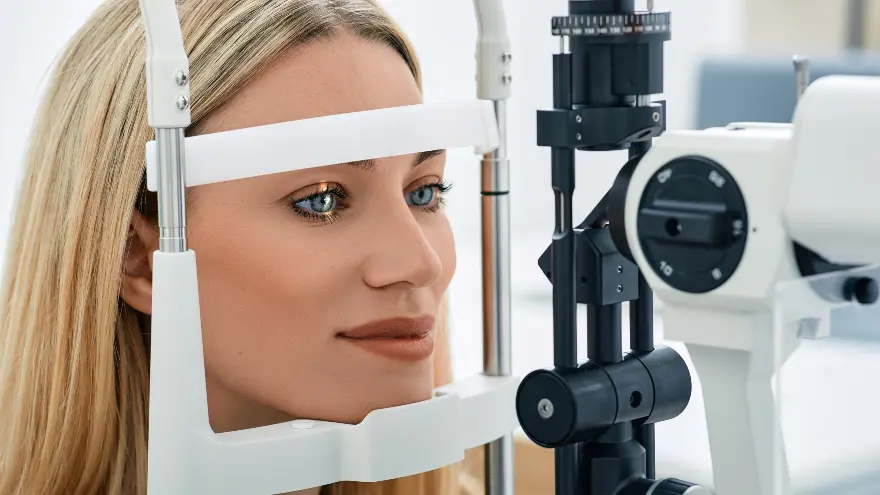
The price gap between Russia and South Korea has led thousands of international patients to bypass their local clinics. In Russia, premium private eye centers often face high overheads due to import taxes on equipment and lower overall surgical volumes. This naturally inflates the final bill for the patient.
Understanding Modern Vision Correction Options
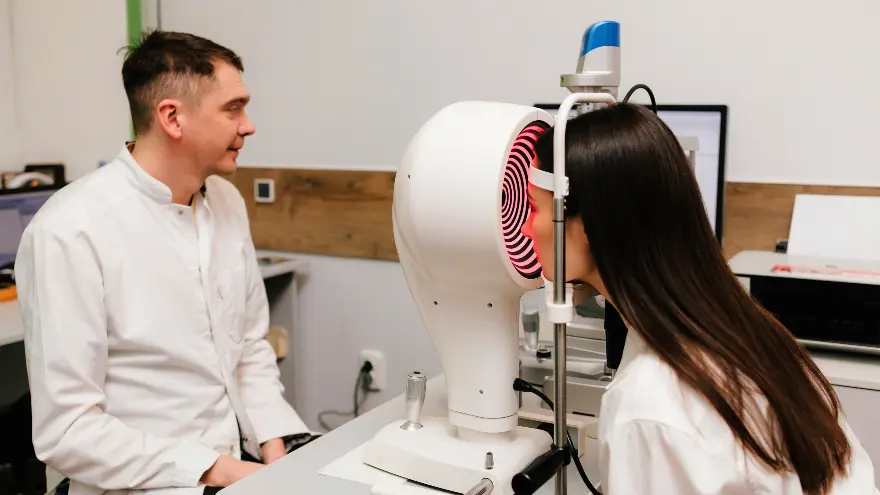
Before comparing costs, it is essential to understand the modern technologies available. Today’s Vision Correction procedures do more than just "fix" a problem; they optimize your sight for a lifestyle free from glasses and contact lenses.
- Laser Vision Correction (SMILE, LASIK): These procedures reshape the cornea to correct nearsightedness, farsightedness, and astigmatism. SMILE is the newest "flapless" technology, known for its rapid recovery.
- Premium Cataract Surgery (IOL Exchange): This involves replacing the eye's natural, cloudy lens with a Multi-focal Intraocular Lens (IOL). This treats both cataracts and age-related reading issues (presbyopia) simultaneously.
- ICL (Implantable Collamer Lens): For patients with thin corneas who are not candidates for laser surgery, a tiny, permanent lens is inserted into the eye. Whether you are a young professional looking to ditch daily contacts or a senior seeking to restore youthful vision, Korea’s clinics offer personalized diagnostics to find the perfect match for your eye anatomy.
Why South Korea is the Cheapest and Best for Treatment
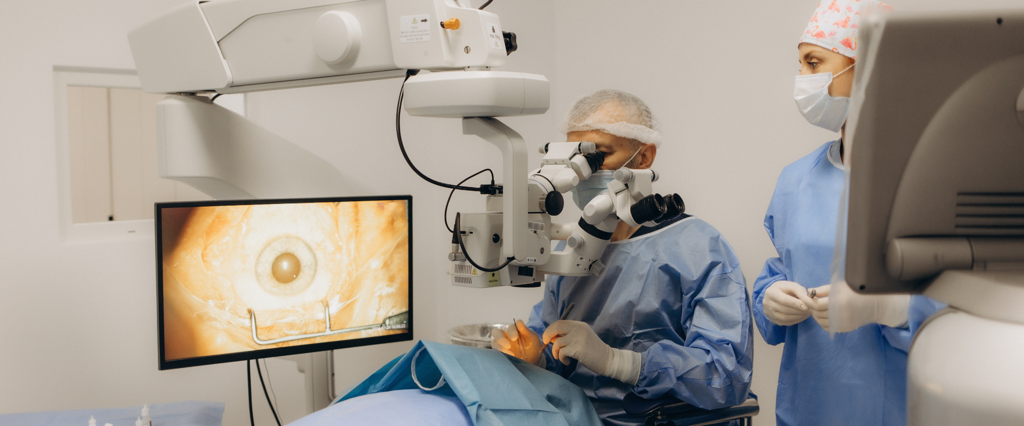
You might wonder how a country with such advanced technology can be significantly cheaper than Russia. The answer lies in three key pillars:
- High Procedure Volume: Seoul, specifically the Gangnam district, has the highest density of eye clinics in the world. Leading clinics may perform more surgeries in a single day than a regional Russian clinic performs in a month. This "Economy of Scale" allows them to offer lower prices.
- Direct Supply Chains: Because of their massive volume, Korean clinics have incredible bargaining power with global manufacturers like Zeiss, Alcon, and Johnson & Johnson. They procure premium lenses and lasers at wholesale prices that Russian clinics simply cannot match.
- Government Support: The South Korean government actively promotes medical tourism. They provide infrastructure and tax incentives for clinics catering to international patients, ensuring the industry remains the cheapest and best for treatment globally.
Detailed Cost Comparison: South Korea vs. Russia
When comparing Vision Correction costs, transparency is vital. Many Russian clinics quote a base price, but additional fees for diagnostics and follow-ups can add up. Korean clinics typically offer all-inclusive "One-Day" packages.
| Procedure Type | Average Cost in Russia (Private) | Average Cost in South Korea | Estimated Savings |
|---|---|---|---|
| SMILE / LASIK | $2,800 – $4,000 | $1,800 – $2,500 | ~35% |
| Premium Cataract (Multifocal) | $4,500 – $6,500 | $3,000 – $4,200 | ~30% |
| ICL (Lens Implantation) | $5,000 – $7,000 | $3,500 – $4,800 | ~32% |
Technology and Safety: The Korean Edge
In Korea, advanced technology is the standard, not a luxury upgrade.
- Femtosecond Lasers (FLACS): While many Russian clinics still use manual techniques for certain steps, Korean centers use lasers for 100% of the procedure to ensure sub-millimeter precision.
- AI Diagnostics: Surgeons use AI-driven mapping to predict exactly how your eye will heal, leading to a documented 99% success rate in refractive surgery.
- Global Standards: Most major eye centers in Seoul are JCI-accredited, meeting the same rigorous safety standards as top hospitals in the United States and Europe.
The Patient Journey: From Moscow to Seoul
Strategic Decision-Making: Choosing the Right Clinic
Critical Questions for Your Surgeon
Frequently Asked Questions
Conclusion
More Articles
Continue reading our ophthalmology guides and vision care insights.

SMILE vs LASIK: Recovery Benchmarks for Vision Correction Care
South Korea has solidified its position as a global epicenter for ophthalmology, with the domestic LASIK and refractive surgery market projected to reach **USD 167.37 million by 2035**, growing at a steady CAGR of 8.54%.
Learn More

Prevalence of Myopia in Korea: The Value of Dream Lens Therapy
The prevalence of myopia among young people in South Korea has reached critical levels, often described as a "myopia epidemic." According to recent data from the **Korean National Health and Nutrition Examination Survey (KNHANES)**, the prevalence of myopia...
Learn More

Multidisciplinary Care: The Future of Korean Pediatric Eye Clinics
The landscape of pediatric eye care in South Korea is shifting rapidly. With nearly **21.9% of Korean children** estimated to be affected by various visual disorders according to nationwide health screenings, the demand for specialized intervention has never...
Learn More